
Plants
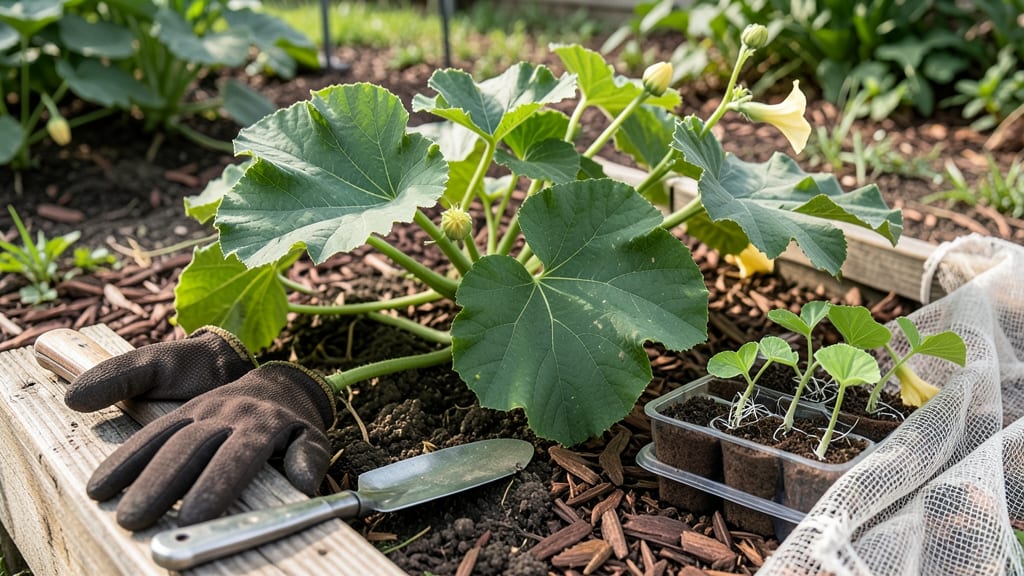
Planting acorn squash 🎃 in Florida isn’t just about picking a month—it’s about catching the perfect soil temperature window for fast germination and robust growth.
Unlike cooler climates, Florida’s year-round warmth means you can grow these nutritious gourds twice a year, but timing is everything to avoid slow starts or heat stress.
Most gardeners in zones 9a-11 reach for their seeds in spring, but did you know fall planting often yields sweeter squash? The key lies in soil temps: aim for 65°F+ in spring (March-April) and 70°F+ in fall (August-September) to trigger quick sprouting.
Without this trigger, even healthy seeds can linger in the soil for weeks.
Whether you’re a first-time grower or a seasoned Floridian gardener, mastering these temperature cues will transform your harvest.
I’ll walk you through exactly how to test your soil, choose the right varieties for Florida’s heat, and avoid common mistakes that stall growth—so you can enjoy homegrown acorn squash in just 90 days.
Ready to skip the guesswork? Let’s dive into the science-backed planting schedule that’ll have your vines thriving—and your table loaded with these versatile, nutritious squash—all year long.
Best planting windows for acorn squash in Florida by region
Florida’s climate varies dramatically from North to South, so your acorn squash planting window depends on your exact location. Unlike northern states, Florida gardeners enjoy year-round growing potential, but heat stress and humidity require strategic timing.
The key is planting when soil temperatures hit 65°F+—not just air temps—which ensures fast germination and robust vines.
North Florida (Zones 8a-9a) has cooler winters and occasional light frosts (rare but possible). Central Florida (Zones 9b-10a) enjoys consistent warmth year-round, while South Florida (Zones 10b-11) can grow squash almost any month. Even so, spring and fall remain the sweet spots for reliable harvests.
⚠️ CRITICAL NOTE: Florida’s summer heat (above 90°F soil temps) can stress squash plants. If you’re in South Florida, focus on fall planting (August-September) to avoid midday heat exhaustion. In North Florida, a spring planting (March-April) gives you the best shot at a harvest before summer’s intensity peaks.
For North Florida gardeners, I recommend starting seeds indoors 3-4 weeks before your target outdoor date (e.g., late February for a March 15 planting). This gives seedlings a head start before transplanting into warmed soil.
Use a seedling heat mat if your home gets chilly at night—acorn squash seeds need consistent warmth to germinate reliably.
In Central Florida, you can direct-sow seeds without indoor starting if you’re planting in late February or August. The soil warms quickly in these months, and the risk of fungal diseases (common in cooler weather) drops significantly.
For South Florida, focus solely on fall planting—summer attempts often result in blossom-end rot or stunted growth due to heat stress.
Pro tip: Use a soil thermometer to monitor temperatures before planting. Acorn squash seeds won’t germinate below 65°F, and growth slows dramatically below 70°F. In Florida’s humidity, poor germination is often a soil temp issue, not a seed viability problem.
If you’re in North Florida and want a second harvest, try a late summer planting (July 15) but use shade cloth (30-50%) to protect seedlings from intense afternoon sun. This tactic works surprisingly well for heat-tolerant varieties like ‘Table Queen’ or ‘Sweet Dumpling.’
Remember: Florida’s long growing season means you can experiment with unconventional timing. For example, some gardeners in Central Florida plant acorn squash in early December for a spring harvest, but this requires row covers to shield young plants from cool nights.
The trade-off? Fewer pests and longer vine growth before summer’s heat arrives.
Soil temperature triggers for fast acorn squash germination
Acorn squash seeds need the right soil temperature to germinate quickly—Florida’s heat can actually be a challenge if you plant too early or late. The key is waiting for soil to warm to at least 65°F, but the sweet spot for fast germination is 75–85°F.
Cold soil slows growth, while overheated soil can kill seeds before they sprout.
Most Florida gardeners rush to plant as soon as air temps rise, but soil temperature matters more. A simple soil thermometer (just $10) will save you weeks of waiting.
Test temps at 6 inches deep—surface temps can be misleading. Morning is the best time to check since soil cools overnight.
If your soil is too cold (<65°F), try these tricks: Use black plastic mulch to absorb heat, or plant in raised beds that warm faster. For fall plantings, wait until late August when soil temps drop below 90°F—any hotter, and seeds may fail to sprout.
65°F soil temp = 10–14 day germination
Above 90°F = Risk of seed death
Preparing your soil is just as critical. Acorn squash thrives in well-draining, compost-rich soil with a pH of 6.0–6.8. Work in 2–3 inches of compost or aged manure 2 weeks before planting to improve fertility and moisture retention. Avoid fresh manure—it can burn seeds and delay germination.
For container growing, use a lightweight potting mix with perlite or vermiculite to prevent compaction. Containers heat up faster than garden beds, so monitor soil temps closely. If seeds aren’t sprouting within 10–14 days, the soil may be too cold or too dry—water gently to moisten without displacing seeds.
Once your soil hits the ideal range, plant seeds 1 inch deep and space them 2–3 feet apart. Thin seedlings to 18–24 inches apart when they’re 3–4 inches tall. Thin in the morning to give plants time to recover from transplant shock.
Pro tip: If you’re eager to start early, try a mini greenhouse or cold frame to warm soil faster. Just remove it once seeds sprout to avoid overheating. With the right soil temps and prep, you’ll see those first acorn squash leaves in under a week—no waiting games!