
Plants
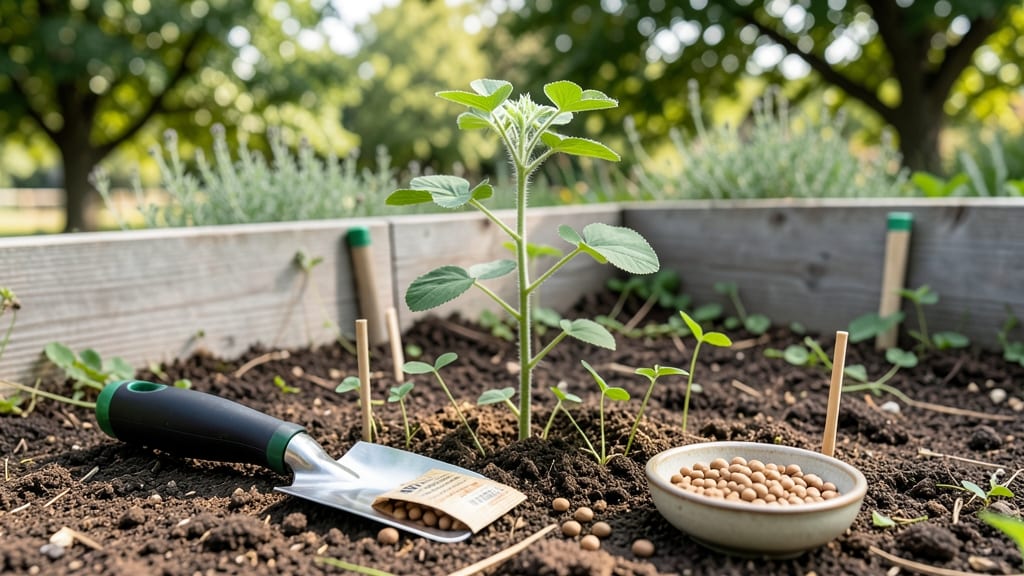
Timing your alfalfa planting in Kentucky can make or break your crop—especially in zones 6a-7a, where frost dates shift dramatically between March and November. Plant too early, and you risk freezing out young shoots; too late, and summer heat stresses seedlings before they establish.
The ideal window is narrow but critical: early spring (March-April) or late summer (August-September) when soil temps hit 50°F+ and moisture balances humidity risks.
Kentucky’s humid subtropical climate adds complexity—excess rain in spring can drown seeds, while late summer’s heat demands quick germination. Most local farmers swear by August planting for stronger stands, but soil prep (pH 6.5-7.0, well-drained clay) is just as vital.
Skip these steps, and pests like cutworms or fungal diseases move in faster than you can say “🌱 harvest failure.”
Here’s the game-changer: frost-free days (about 180 in KY) dictate your best bet. Plant alfalfa 4-6 weeks before the last spring frost (March 15) or 6-8 weeks before the first fall frost (November 15).
I’ll break down exactly how to align your calendar with Kentucky’s microclimates—so you avoid the 3 most common mistakes that waste time, money, and soil health.
Ready to grow hardier alfalfa with fewer headaches? Let’s dive into the frost-free timeline that’s worked for Kentucky farmers for decades—plus how to tweak it for your specific patch of land. Your future forage starts with these 3 simple adjustments.
Optimal planting windows for alfalfa in Kentucky’s frost zones
Kentucky’s USDA Zones 6a-7a offer two prime windows for planting alfalfa: early spring and late summer. Each has unique advantages, but timing around the last frost date (March 15) and soil temperature thresholds (50°F+) is critical for strong establishment.
I’ll break down the best strategies for both approaches, including how to adapt for Kentucky’s microclimates and clay-heavy soils.
Spring planting (March-April) is the traditional choice, but late summer (August-September) often yields better results in Kentucky’s humid climate. The key difference? Soil moisture and temperature consistency. Spring soils can be too wet or too cold, while late summer offers warm, stable conditions perfect for germination.
Let’s dive into the specifics for each window to help you choose the best timing for your location.
| Planting Window | Ideal Months | Soil Temp | Key Considerations |
|---|---|---|---|
| Early Spring | March-April | 50°F+ | Risk of frost; needs well-drained soils |
| Late Summer | August-September | 60°F+ | Warmer soils; avoids spring pests |
| No-Till Spring | April-May | 55°F+ | Preserves soil structure; reduces erosion |
| No-Till Late Summer | September | 65°F+ | Best for clay soils; minimal disturbance |
For spring planting, aim to sow seeds as soon as the soil reaches 50°F and stays consistently above freezing. In northern Kentucky (Zone 6a), this typically means waiting until mid-to-late March, while southern regions (Zone 7a) can start as early as early March.
Use a soil thermometer to confirm—alfalfa seeds won’t germinate below 50°F, and cold, wet soils can lead to rot or poor stands.
If you choose late summer planting, focus on August-September when daytime highs are still warm but nights begin cooling. This window takes advantage of Kentucky’s humid subtropical climate, providing ideal moisture without the risk of spring frost or summer drought.
The soil stays warmer longer, promoting faster germination and stronger root establishment.
Kentucky’s clay-heavy soils require special attention regardless of planting time. Before sowing, amend with compost or sand to improve drainage, especially in low-lying areas prone to waterlogging. A soil pH of 6.5-7.0 is ideal—test and adjust with lime or sulfur if needed.
I’ve seen firsthand how poor drainage can turn a promising alfalfa field into a muddy mess, so don’t skip this step!
Another critical factor is seed depth. Plant alfalfa seeds ¼ inch deep—any deeper, and they won’t have enough energy to break through the soil. Use a seed drill or broadcast spreader for even distribution, especially if you’re planting larger areas.
For small plots, a hand-held seeder works well. After planting, lightly firm the soil to ensure good seed-to-soil contact, then water gently to settle the seeds without displacing them.
For no-till methods, which are gaining popularity in Kentucky for their soil conservation benefits, plant directly into undisturbed soil using a no-till drill. This approach works best in late summer when weeds are less competitive.
The key is to terminate existing vegetation first with herbicides or rolling/crimping to create a clean seedbed without tillage.
Regardless of when you plant, post-emergence care is just as important as timing. Alfalfa seedlings are slow to establish—don’t rush to thin or harvest too early. Wait until plants reach 4-6 inches tall before considering thinning, and never harvest until the first year’s growth is fully mature.
In Kentucky’s climate, late summer plantings often outperform spring ones because they avoid spring pests like cutworms and early-season diseases.
Pro tip: If you’re planting in northern Kentucky (Zone 6a), consider using cold-hardy varieties like ‘Moapa’ or ‘Ladak’, which tolerate cooler soils better. For southern Kentucky (Zone 7a), heat-tolerant varieties like ‘CUF 101’ thrive in warmer conditions.
Always check with your local Kentucky Cooperative Extension office for variety recommendations tailored to your specific county.
Remember, the goal is strong stands, not just timing. Combine the right planting window with proper soil prep, consistent moisture, and patient care, and you’ll be rewarded with a high-yielding alfalfa field that thrives in Kentucky’s unique climate. Happy planting! 🌱
How Kentucky’s rainfall and humidity affect alfalfa planting success
Kentucky’s humid subtropical climate makes alfalfa a fantastic choice, but the same moisture that helps it thrive can also become a challenge. Unlike drier regions, excessive rainfall during germination often leads to poor seed-to-soil contact, while drought periods can stress young plants.
Understanding these patterns helps you time your planting for success.
Most Kentucky farmers achieve higher success rates with late summer planting (August-September) because it avoids the spring rainfall peaks that can delay germination. The USDA reports that alfalfa stands planted in late summer have 20-30% better establishment in Kentucky’s climate compared to spring plantings.
Here’s how Kentucky’s rainfall patterns impact your alfalfa crop at each growth stage:
If you’re planting in spring (March-April), choose well-drained soils to prevent waterlogging. Kentucky’s clay-heavy soils can trap moisture, so consider raised beds or adding organic matter to improve drainage. Late summer plantings benefit from warmer soil temperatures (50°F+) and lower fungal pressure compared to spring.
Another critical factor is humidity-related diseases. Alfalfa is susceptible to leaf spot and root rot when moisture lingers on foliage. To mitigate this, plant in full sun locations with good air circulation, and avoid overhead irrigation. Morning watering (before 10 AM) helps leaves dry quickly, reducing fungal risks.
For maximum yield potential, align your planting with Kentucky’s dry periods. Historical data shows that August-September often delivers the best balance of moisture and warmth for alfalfa establishment. If you must plant in spring, prioritize soil preparation—tilth and drainage—to offset Kentucky’s wet spring conditions.
Remember, alfalfa’s deep root system makes it surprisingly drought-tolerant once established. Focus on getting those first 6-8 weeks right, and your crop will reward you with vigorous growth and high-quality forage for years to come. 🌱