
Plants
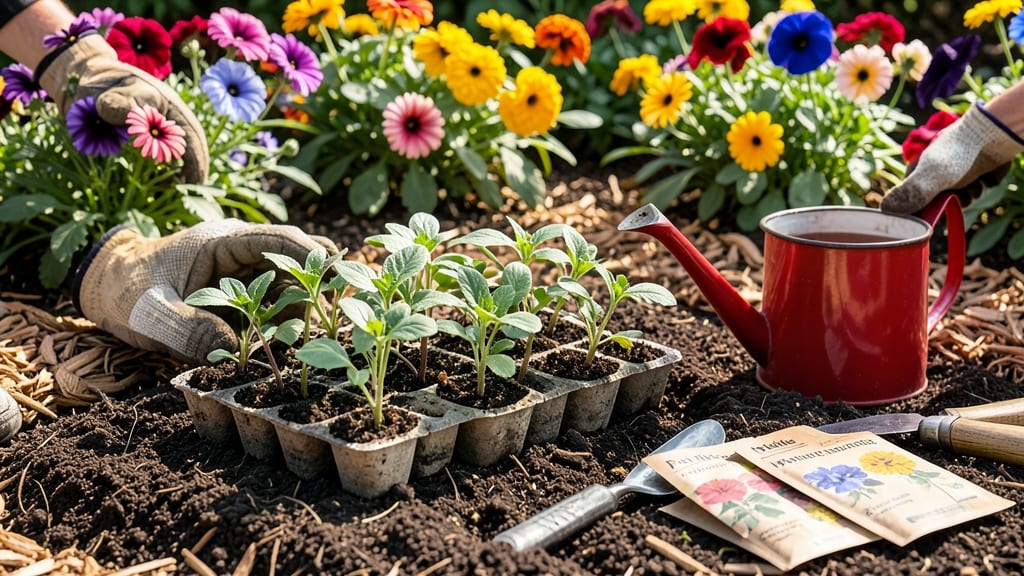
Planting annuals in Connecticut at the wrong time can mean watching your 🌸 blooms fizzle before summer even kicks off. With USDA Zone 6a frost dates that shift yearly, nailing the timing is everything—especially for heat-loving varieties like zinnias and okra that demand warm soil to thrive.
Most gardeners know to wait until after the last frost (typically mid-May), but Connecticut’s microclimates throw a wrench in that plan. Coastal areas like New Haven warm up faster than inland spots near Hartford, creating a 2-week difference in safe planting windows.
That’s why blindly following generic advice can leave your garden struggling.
In this guide, I’ll break down the exact weeks to plant your heat-tolerant annuals—from late May for coastal zones to early June inland—plus how to stretch your growing season with simple tricks. No more guessing whether your marigolds will survive the May chill or your tomatoes will bolt in July.
Whether you’re a first-time gardener or a seasoned pro, these CT-specific dates will help you maximize blooms and harvests without the trial-and-error. Let’s get those annuals in the ground when they’ll actually take root.
Connecticut’s exact planting windows for heat-tolerant annuals by hardiness zone
Timing your annuals correctly in Connecticut means the difference between a vibrant summer garden and a sad, half-dead display. Since CT spans USDA zones 5b–6b, I’ve broken down the exact windows for planting heat-loving annuals like zinnias, marigolds, and okra—plus the critical soil temperature thresholds you must hit.
Most gardeners wait until after the average last frost date, which typically falls between April 15–May 15 in Connecticut. However, soil temperature matters more than air temperature: Annuals like tomatoes and peppers won’t thrive until the soil reaches 60°F+. Use a soil thermometer to confirm readiness—don’t guess!
Here’s the breakdown for spring planting of warm-season annuals by zone, along with fall options for late bloomers:
For cool-season annuals like lettuce, pansies, and snapdragons, you can plant as early as March 15–April 1 in zone 6b, but protect them with frost cloth until late April. In zone 5b, wait until April 15 to avoid frost damage.
Pro tip: Marigolds and zinnias are the most forgiving heat-loving annuals for beginners. Start them indoors 4–6 weeks before your last frost date to give them a head start. If you’re in a coastal area like Stamford, expect a 2–3 week delay in warming compared to inland zones.
Always check the Connecticut Agricultural Experiment Station’s frost data for your specific town—microclimates can shift planting windows by 1–2 weeks. For example, Bridgeport (zone 6b) often warms faster than Litchfield (zone 5b), so adjust accordingly.
If you’re planting vegetable annuals like tomatoes or peppers, consider starter plants from local nurseries (e.g., Burr’s Seed & Plant) in early May. They’ll outperform seeds in CT’s short growing season.
For fall planting, focus on heat-tolerant varieties like cosmos, sunflowers, and Swiss chard. These can handle cooler temps better than tomatoes or cucumbers, giving you 2–3 extra weeks of harvests before frost.
🌱
How to adjust planting times for Connecticut’s microclimates (coastal vs. inland)
Connecticut’s diverse geography means your planting dates can vary by weeks depending on whether you’re near the Long Island Sound or inland near the Berkeley Hills.
Coastal areas like New Haven and Stamford often experience delayed warming due to ocean breezes, while inland zones like Hartford and Litchfield can hit soil temperatures of 60°F+ up to 2 weeks earlier. Understanding these differences helps you avoid frost damage or stunted growth.
For coastal CT, wait until late May to plant heat-loving annuals like tomatoes and peppers, as ocean winds can keep soils 5°F cooler than inland areas. In contrast, inland gardeners might safely direct-sow marigolds or basil by mid-May.
Even microclimates within cities—like urban heat islands in Bridgeport—can push planting dates 3–5 days earlier than surrounding rural areas.
Salt spray from the Sound also affects coastal gardens, so choose salt-tolerant annuals like cosmos or zinnia for borders. Inland, focus on drought-resistant varieties such as lantana or portulaca, which thrive in well-draining soils common to sandy loam areas.
Always check local frost records—your neighbor’s planting success might not match yours if they’re just 5 miles inland.
Pro tip: Monitor soil temperature with a soil thermometer—coastal soils may stay below 55°F until June 1, while inland soils can hit 70°F+ by late May. This 15°F difference directly impacts seed germination rates for warm-season crops.
For fall planting, coastal areas can often extend the season until October 10, while inland zones may face earlier frosts by October 1.
If you’re unsure about your microclimate, observe nearby landscape plants: azaleas blooming early? You’re likely in a warmer inland zone. Daffodils lingering past May? Coastal winds are delaying your growing season. Adjust your planting calendar accordingly to maximize blooms and harvests.
For coastal gardeners, consider container gardening—pots warm up faster than soil and let you move heat-sensitive plants to sheltered spots during late spring chills. Inland growers can afford to direct-sow earlier but should mulch heavily to retain moisture during hot, dry summers.
Either way, succession planting every 2 weeks ensures a continuous supply of fresh annuals all season.