
Trees
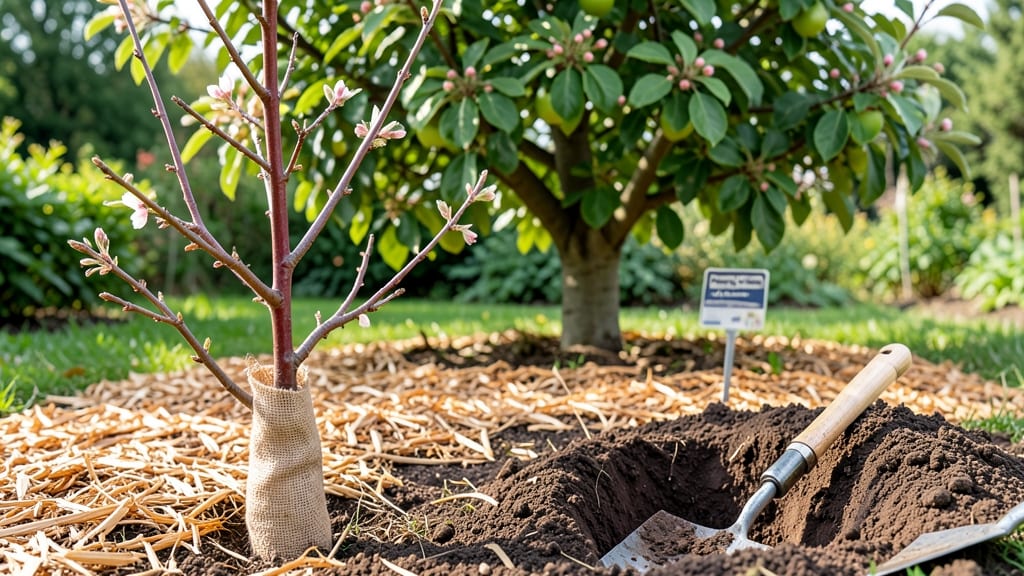
Planting an apple tree 🍎 in England at the wrong time can mean the difference between a thriving orchard and a sad, stunted sapling. The key is understanding your region’s frost patterns—too early, and your young roots could freeze; too late, and growth might stall before winter sets in.
For most of England’s 8a-9a zones, the sweet spot is October through March for bare-root trees, when they’re dormant and hardy. But container-grown varieties need a gentler approach, best planted in April or May after the last frost risk has passed.
Why does timing matter so much? Because an apple tree’s first few years set the foundation for its entire life—strong roots now mean bigger harvests later. I’ll break down the best months for your specific region, whether you’re in frost-prone Yorkshire or milder Cornwall.
Ready to get started? Let’s dive into the exact planting window, soil prep tips, and how to avoid common mistakes that even experienced gardeners make.
Best planting months for apple trees in England by region
England’s diverse climate means the perfect time to plant apple trees varies dramatically from the mild south to the cooler north.
In the South (e.g., London, Kent), you can plant bare-root trees from November to March, while the North (e.g., Yorkshire, Scotland) benefits from planting in October to February to avoid early frosts. The Midlands fall somewhere in between, with a December to March window.
Understanding your region’s last frost dates is critical—planting too early risks root damage, while waiting too long delays root establishment.
The ideal soil temperature for planting is between 4°C and 10°C (39°F–50°F). In England, this typically aligns with late autumn to early spring, when the ground is workable but not waterlogged.
For container-grown trees, you can extend planting into April or May, but bare-root trees must be planted while dormant. Regional microclimates—like urban heat islands or sheltered valleys—can also shift these timelines by 2–4 weeks, so always check local weather patterns.
🌱
In the South of England, where winters are milder, you can push planting into early March without risking frost damage. However, the North and Scotland demand earlier action—planting in October or November ensures roots establish before winter dormancy.
For urban gardeners, microclimates near buildings or walls can create 2–3°C warmer conditions, extending the planting window by 1–2 weeks. Always dig a test hole to check soil drainage; waterlogged soil in winter can suffocate roots.
If you’re planting in containers or small spaces, dwarf varieties like 'Cox’s Orange Pippin' or 'Egremont Russet' thrive when planted in late spring (May), once frost risk has passed. These trees adapt better to container constraints and can be moved if needed.
For standard varieties, bare-root planting in winter is ideal—roots are dormant, reducing transplant shock. Water deeply after planting, and apply a 3-inch layer of mulch to retain moisture and regulate soil temperature.
🌿
One common mistake is assuming spring planting is best for all apple trees. While container-grown trees can handle April or May planting, bare-root trees planted in spring often struggle with drought stress as they establish.
The North of England sees earlier frosts, so aim to plant by late January to avoid sub-zero temperatures damaging new roots. In contrast, the Southwest (Cornwall, Devon) has a longer frost-free period, allowing planting up to early April for container-grown trees.
For pollination success, plant at least two compatible varieties close together. If space is limited, choose self-pollinating varieties like 'Discovery' or 'Merlin'. These thrive in small gardens or containers and don’t require a second tree.
After planting, stake young trees to prevent wind rock, and prune to open the canopy for better airflow—this reduces fungal diseases like apple scab, which flourishes in humid English summers.
🪴
Regional nurseries often stock bare-root trees in late autumn, making November and December the busiest (and best) months for planting. If you miss this window, wait until early spring (March–April), but be prepared for slower initial growth.
For organic gardeners, avoid synthetic fertilizers post-planting—instead, incorporate well-rotted manure or compost into the planting hole. This improves soil structure and provides slow-release nutrients as roots expand.
Finally, keep an eye on the 7-day weather forecast before planting. Avoid days with heavy rain or strong winds, as these can compact soil or uproot young trees.
With the right timing, your apple tree will establish strong roots, leading to healthier growth and better fruit yields in just a few years. Patience and preparation are key—especially in England’s unpredictable climate!
How to choose the perfect time for bare-root vs. potted apple trees
Choosing between bare-root and potted apple trees isn’t just about convenience—it’s about timing. Bare-root trees thrive when planted during their dormant season, while container-grown varieties need a gentler transition. Let’s break down the best times for each and why it matters for your orchard’s success.
Bare-root trees are most resilient in winter because they’re dormant, making them ideal for October through March planting. Their exposed roots help them establish quickly in cool, moist soil.
In contrast, potted trees can be planted April to May once the soil warms up and frost risk fades. This timing reduces transplant shock for their root-bound systems.
Soil temperature is your secret weapon. For bare-root trees, aim for 40-50°F (4-10°C)—perfect for root regrowth without risking frost damage. Potted trees, however, need soil that’s at least 50°F (10°C) to avoid stunted growth. Use a soil thermometer to check before planting!
| Factor | Bare-Root Trees | Potted Trees |
|---|---|---|
| Best Planting Months | Oct–Mar | Apr–May |
| Soil Temp Requirement | 40–50°F (4–10°C) | 50°F+ (10°C+) |
| Root System | Exposed, fast-establishing | Root-bound, needs acclimation |
| Frost Risk | Low (dormant) | High (active growth) |
| Prep Time | Soak roots 1–2 hrs before | Remove container, trim roots |
If you’re in a cooler region like Yorkshire, prioritize bare-root trees planted in November or December to avoid early frosts. For milder areas like Cornwall or Devon, early April works well for both types.
Always check your local last frost date—planting too soon can leave your tree vulnerable.
Pro tip: Mulch heavily after planting to insulate roots. For bare-root trees, use 3–4 inches of straw or wood chips. Potted trees benefit from a thicker mulch layer (5–6 inches) to compensate for their slower root adjustment. This keeps moisture in and temperatures stable.
Remember, container-grown trees often cost more but offer flexibility. If you’re planting in urban gardens with limited space, dwarf varieties in pots are a great choice—just plant them in late spring after all frost risk has passed.
For traditional orchards, bare-root trees in winter give you the best balance of cost and hardiness.