
Plants
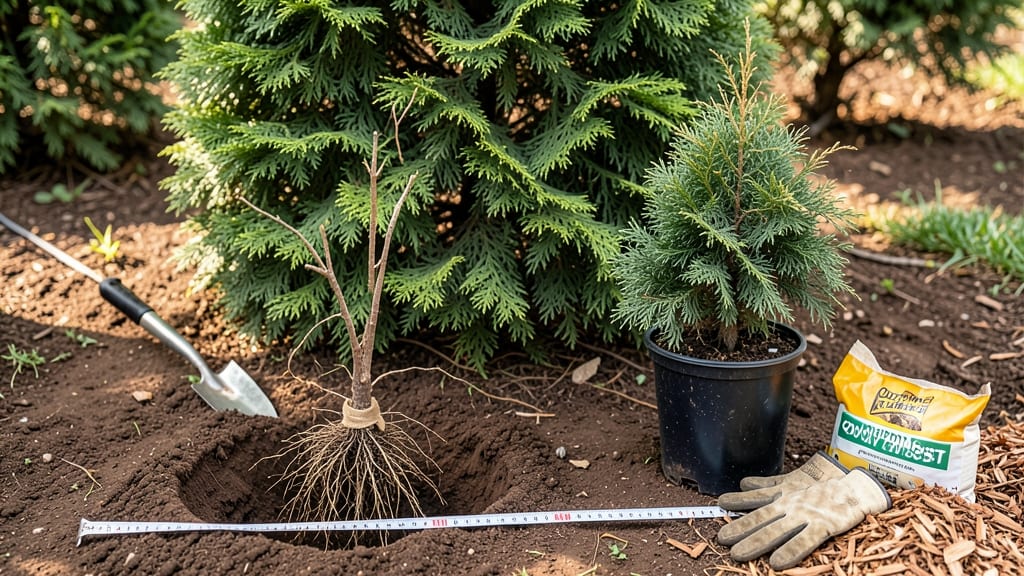
Timing your arborvitae planting in Ohio can mean the difference between a thriving evergreen and one that struggles to survive the state's unpredictable frost. With Ohio's USDA Zone 6a climate, knowing when to plant your 🌲 arborvitae is crucial for root establishment before winter sets in.
Most gardeners in Ohio plant arborvitae in early spring or early fall, but the exact timing depends on your local frost dates. Planting too early risks frost damage, while waiting too long can leave your tree vulnerable before winter.
Let me show you the ideal windows and what to watch for.
You'll discover how to read your soil's readiness, adjust for Ohio's microclimates, and avoid common pitfalls that trip up even experienced gardeners. Whether you're transplanting bare-root seedlings or container-grown plants, these insights will help you get it right the first time.
From Columbus to Cleveland, we'll cover the specific timing you need for your region's frost patterns. With the right preparation, your arborvitae will establish strong roots and weather Ohio's winters like a pro—no guesswork required.
Ohio arborvitae planting timeline by hardiness zones (5-7)
Ohio’s USDA hardiness zones 5-7 create a 100-day window for planting arborvitae, but timing varies by region. Northern Ohio (zone 5) has earlier frost risks, while southern Ohio (zone 7) enjoys longer growing seasons.
I’ll break down the optimal planting months for each zone and how to align with Ohio’s average last frost dates.
For zone 5 (northwest Ohio), like Toledo and Cleveland, aim to plant between April 15 and May 15 or September 15 and October 15. These dates give young roots time to establish before winter’s first freeze.
In zone 6 (central Ohio), such as Columbus, you can extend planting to May 30 or start as early as April 1.
Southern Ohio’s zone 7 (Cincinnati, Dayton) offers the most flexibility, with ideal windows from March 15 to May 30 or September 1 to October 30. The key is avoiding extreme heat or frost—both stress young arborvitae.
Bare-root seedlings need extra care, so I recommend planting them in early spring (April) when soil temperatures reach 45°F. Container-grown arborvitae can handle late spring (May) or early fall (September) plantings, as their roots are less vulnerable to transplant shock.
Ohio’s microclimates can shift planting windows by 2-3 weeks. Urban areas like Columbus often experience heat islands, delaying frost by up to 10 days compared to rural zones. Always check your local Almanac frost dates before planting.
🌲 Ohio Arborvitae Planting Timeline by Zone
| Zone | Ideal Planting Window | Last Frost Date | First Frost Date | Key Consideration |
|---|---|---|---|---|
| 5a (Toledo, Cleveland) | April 15–May 15 September 15–October 15 |
April 10–April 20 | October 20–October 30 | Short growing season; prioritize root establishment. |
| 5b (Findlay, Mansfield) | April 1–May 20 September 10–October 20 |
April 5–April 15 | October 15–October 25 | Moderate frost risk; avoid late fall plantings. |
| 6a (Columbus, Zanesville) | March 15–May 30 September 1–October 30 |
March 25–April 10 | October 10–October 20 | Longer window; ideal for container-grown plants. |
| 7a (Cincinnati, Dayton) | March 1–June 1 August 15–November 1 |
March 10–March 20 | October 5–October 15 | Extended season; monitor for urban heat delays. |
Spring planting gives arborvitae 6-8 weeks to establish roots before summer’s heat. I’ve seen bare-root seedlings thrive when planted in early April in zone 6, but they need consistent moisture during Ohio’s dry summers.
For fall plantings, aim to finish by October 15 in northern Ohio to avoid winter stress.
Ohio’s variable weather means even the best-laid plans can change. I always keep a 10-day buffer before the average first frost when scheduling fall plantings. For example, in Cincinnati (zone 7), I might push planting to October 25 if temperatures stay mild.
Pro tip: Use mulch immediately after planting to regulate soil temperature. A 3-inch layer of wood chips helps retain moisture and protects roots from Ohio’s temperature swings. This is especially critical for dwarf varieties, which grow slowly and need stable conditions.
If you miss the ideal window, don’t panic. Container-grown arborvitae can often be planted in late spring (June) or even early fall (September), though they’ll need extra watering during Ohio’s hot, dry periods. Just be prepared for slower initial growth.
Signs your Ohio soil is ready for arborvitae planting (beyond dates)
Timing your arborvitae planting isn’t just about checking a calendar—Ohio’s microclimates and soil conditions play a huge role. While the last frost dates in Columbus or Cleveland give you a starting point, your soil’s readiness is the real green light.
Cold soil can stunt root growth, while overly warm soil might stress young plants before they establish.
First, check the soil temperature at a depth of 6 inches—it should consistently stay above 50°F (10°C) for at least a week.
In Ohio’s Zone 5-7 regions, this typically aligns with mid-April to early May for spring planting, but urban areas like Cincinnati may warm up faster due to heat island effects. Use a soil thermometer for accuracy.
Next, assess moisture levels. Arborvitae roots thrive in well-draining soil that’s consistently moist but not soggy. Stick your finger 2 inches deep—if the soil feels dry, it’s not ready.
Ohio’s spring rains can create temporary waterlogging, so avoid planting in low spots where water pools. Amend heavy clay soils with compost or sand to improve drainage before transplanting.
Look for bud swell on your arborvitae seedlings, a clear sign they’re ready to adapt to outdoor conditions. Healthy buds should feel firm and slightly plump, not shriveled or mushy. This usually happens 4-6 weeks before your region’s last frost date.
In northern Ohio (Zone 5), this might be early April, while southern Ohio (Zone 7) could see bud swell as early as late March.
🌱 5 Key Soil Readiness Signs for Ohio Arborvitae
- 🌡️ Soil temp consistently above 50°F (10°C) at 6" depth
- 💧 Moist but not waterlogged (2" deep test)
- 🌱 Bud swell on seedlings (firm, plump buds)
- 🌿 No frost risk for 2+ weeks post-planting
- 🌳 PH 6.0-7.0 (test with a soil kit)
Don’t overlook urban heat islands—cities like Columbus can be 5-10°F warmer than rural areas, accelerating soil warming. Plant in partial shade if your site gets intense afternoon sun, especially for dwarf varieties like ‘Emerald Green’ that prefer cooler roots.
For container-grown arborvitae, remove the pot and check root development—healthy roots should wrap around the root ball but not circle tightly.
Finally, time your planting with Ohio’s rainfall patterns. Aim for a week with moderate rains (1-2 inches) in the forecast to help roots establish without water stress. Early fall (September) is ideal because cooler temps reduce transplant shock, and fall rains keep soil moist as roots grow.
Just avoid planting when first frost is imminent—young arborvitae need 6-8 weeks to harden off before winter.