
Plants
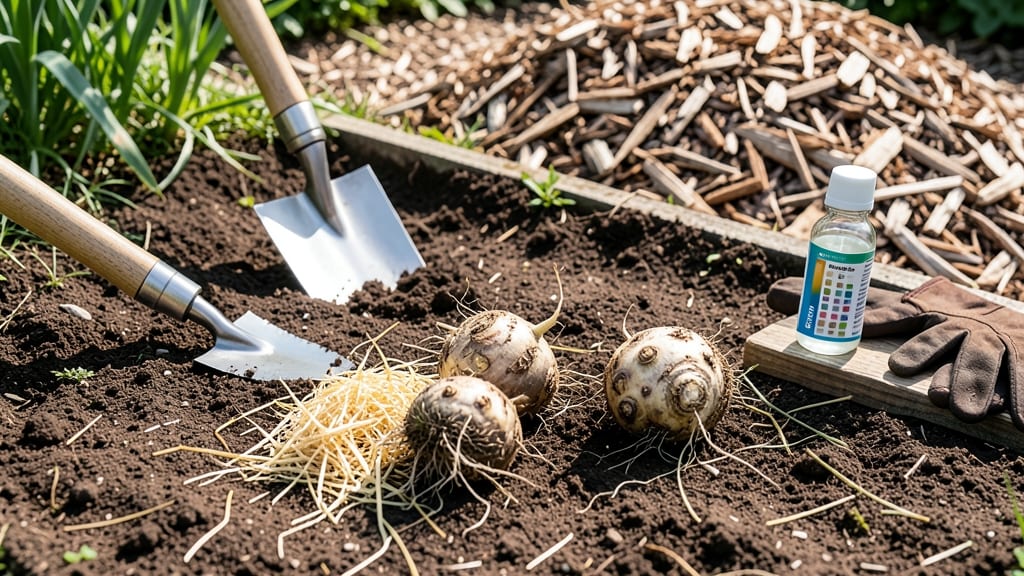
Planting asparagus in Louisiana might seem tricky with its sweltering summers and humid air, but timing is everything for a bountiful harvest that lasts for years.
The key window—late winter to early spring—lets you take advantage of the state's 8a-9b climate while avoiding summer heat stress that can stifle young plants.
Unlike northern gardens, Louisiana's long growing season means you can push your planting just a little later than national guidelines suggest. February to March is ideal, giving asparagus crowns time to establish roots before the real heat arrives.
This small shift makes all the difference between struggling plants and a thriving 🌱 asparagus patch that rewards you for years.
What makes Louisiana asparagus gardening unique? The humidity and heat demand special attention to soil prep and variety selection. We'll cover the heat-tolerant varieties that thrive here, plus soil tricks to keep roots happy in our clay-heavy soils. No more guessing—just proven methods for your climate.
Ready to grow asparagus that outlasts the summer heat? I'll walk you through the exact steps, from choosing the right crowns to maintaining them through Louisiana's long, hot season. Let's get your garden set up for success before the first spears emerge.
Best months to plant asparagus in Louisiana’s climate zones
Louisiana’s USDA zones 8a-9b mean mild winters and long, humid summers—perfect for asparagus if you plant at the right time. Unlike northern climates, we can plant asparagus in both fall and spring, but timing is critical to avoid summer heat stress or winter dieback.
The ideal window is late winter to early spring (February-March), when soil warms but frost risk fades.
For crown planting, aim for 6-8 weeks before your last frost date (typically mid-February in most of Louisiana). This gives roots time to establish before spears emerge.
If you prefer seed germination, start seeds indoors in January for transplanting in February—seeds take 2-3 years to mature, so crowns are faster for impatient gardeners.
Some gardeners also try fall planting (October-November) for early spring harvests. However, Louisiana’s wet winters increase crown rot risks, so only attempt this in well-drained soil with raised beds. Always use heat-tolerant varieties like Mary Washington or Jersey Knight to survive summer’s 90°F+ temps.
Here’s how Louisiana’s two main planting strategies compare:
| Strategy | Best Months | Pros | Cons |
|---|---|---|---|
| Spring Planting | Feb–March | Faster harvest (Year 2), lower rot risk | Summer heat stress possible |
| Fall Planting | Oct–Nov | Early spring growth, avoids summer heat | Higher rot risk in wet winters |
For northern Louisiana (zones 8a), stick to spring planting (March) to avoid late-winter freezes. In southern Louisiana (zones 9a-9b), you can push February planting if your soil drains well—just cover crowns with straw mulch to protect from erratic cold snaps.
Avoid planting in summer or late fall; asparagus crowns won’t survive Louisiana’s 95°F+ soil temps or prolonged wet conditions.
Pro tip: Soil temperature matters more than air temperature. Use a soil thermometer—plant when soil reaches 50°F for 7+ days. In Louisiana, this usually aligns with late February to early March, but check your local Cooperative Extension Service for microclimate adjustments.
Once planted, resist harvesting spears in Year 1. Let the plant build roots for 2 full years before cutting—this is non-negotiable in Louisiana’s heat. Skipping harvests in early years doubles your yield in Years 3-5. After that, you’ll enjoy spring harvests (March-May) for 10+ years with proper care.
If you’re new to asparagus, start small. A 3-foot row yields enough for a family of 4. Louisiana gardeners often plant in raised beds to improve drainage—critical for avoiding crown rot, a common issue in our humid climate.
Pair your asparagus with companion plants like basil or marigolds to deter pests naturally.
Remember: Patience is key. Asparagus is a perennial investment, but with the right timing and care, you’ll have homegrown spears for decades—no grocery store needed! 🌱
Best months to plant asparagus in Louisiana’s climate zones
Louisiana’s USDA zones 8a-9b mean asparagus thrives here—but timing matters. The ideal planting window is February through early March, giving crowns time to establish roots before summer heat arrives. This avoids the stress of Louisiana’s 90°F+ temperatures, which can stunt young plants.
For seed-starting, begin indoors in January and transplant outdoors in late February. However, seeds take 2-3 years to mature, while crowns produce spears in 1-2 years. Most Louisiana gardeners opt for crown planting for faster results.
If you miss the spring window, you can plant in early fall (October), but this requires careful soil protection over winter. Avoid planting in summer or late fall, as the humid heat or freeze risk will harm young plants.
Here’s how Louisiana’s climate zones break down for asparagus planting:
In North Louisiana (zone 8a), wait until after the last frost (mid-February) to plant. In South Louisiana (zone 9b), you can start as early as January, but avoid planting if soil temps exceed 70°F, which stresses young crowns.
Use a soil thermometer to check—ideal planting temps are 40-60°F.
Pro tip: Louisiana’s clay-heavy soils can suffocate asparagus roots. Amend with compost and sand before planting to improve drainage. This is especially critical in humid zones where waterlogging causes crown rot.
Once planted, mulch heavily with pine straw or wood chips to retain moisture and regulate soil temps. This helps young plants survive Louisiana’s sweltering summers and mild winters alike.