
Plants
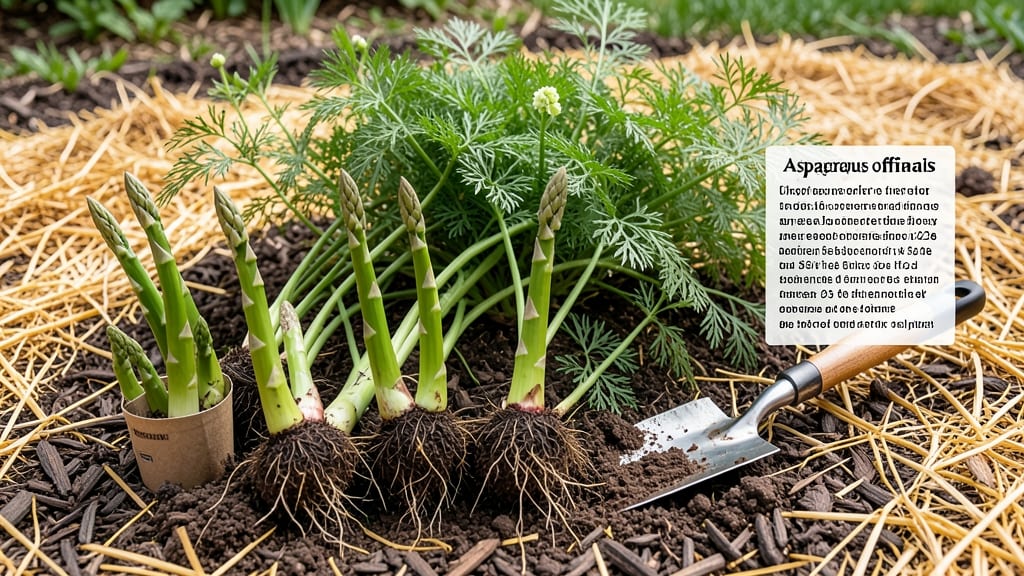
If you're dreaming of a homegrown asparagus harvest in Maryland, timing is the key—plant too early, and frost will ruin your tender crowns; too late, and you’ll miss the prime window for strong root growth.
The perfect moment arrives when soil temperatures hit 40-50°F and the last frost date has passed, typically between March and April in USDA Zone 7a.
Maryland’s climate can be tricky, with frost lingering into April in some regions, but don’t let that scare you off. With the right preparation—like enriching your soil with compost and choosing a sunny spot—you’ll set your asparagus up for success.
I’ll walk you through exactly when to plant, how to prep your bed, and what to watch for to ensure a thriving crop.
Most gardeners swear by planting 1-year-old crowns rather than seeds, and for good reason: they establish faster and produce spears sooner. But the real secret? Getting them in the ground at the right time.
Too shallow, and they’ll rot; too deep, and they’ll struggle to break through. Let’s break down the exact steps to nail your planting window and avoid common pitfalls.
Once you’ve got your asparagus in the soil, the work isn’t over—consistent watering, mulching, and patience pay off in years of harvests. Whether you’re a first-timer or a seasoned gardener, these tips will help you grow asparagus like a pro in Maryland’s unique climate. Let’s get started!
Maryland asparagus planting timeline: frost dates and soil temperature guide
Maryland’s USDA Hardiness Zones 5b–7a create a unique window for planting asparagus crowns, where timing directly impacts root establishment and first-year survival.
Unlike many vegetables, asparagus roots establish slowly, so planting too early risks frost damage, while late planting delays the critical 60-day growth window before summer heat sets in.
The optimal planting window for Maryland spans mid-March through early April, aligning with soil temperatures reaching 40–50°F—ideal for root growth without frost threat.
In northern Maryland (Zone 5b), aim for late March to early April, while southern regions (Zone 7a) can start as early as February’s end if soil warms quickly.
Check your local last frost date: Maryland’s average ranges from March 15 (Baltimore) to April 1 (Western MD). Planting 4–6 weeks before the last frost ensures roots establish before spears emerge, preventing frost damage to tender shoots.
Soil temperature is more critical than air temperature. Use a soil thermometer to confirm 40°F+ at 4-inch depth—cold soil delays root growth. In clay-heavy soils (common in Maryland), amend with compost or sand to improve drainage and warmth retention.
Regional variations matter: Baltimore’s coastal influence can delay spring warming by 1–2 weeks compared to inland areas like Frederick or Hagerstown. Monitor local weather forecasts for consistent nighttime temperatures above 32°F before planting.
For Maryland gardeners, the 3-year rule applies: no harvest in years 1–2, only foliage growth to build root systems. This means planting in spring 2025 won’t yield spears until spring 2028—plan accordingly!
| Stage | Action | Maryland Timeline | Soil Temp |
|---|---|---|---|
| Soil Prep | Amend soil (pH 6.5–7.5), add compost | Fall 2024 or early spring 2025 | N/A |
| Plant Crowns | 1-year-old crowns, 6–8" deep | Mid-March–Early April | 40–50°F |
| First Spears | Emergence (Year 3) | Mid-April–May | 50–60°F |
| Harvest Window | Spears 6–8" tall | April–June (Years 3+) | 60–75°F |
| Fertilize | Balanced 10-10-10 | Early spring & summer | 55°F+ |
Maryland’s humidity and summer heat (average 85°F+ in July) demand consistent moisture after planting. Water deeply 1–2 times weekly until roots establish, then reduce to weekly deep watering once foliage appears. Avoid overhead watering to prevent fungal diseases like rust, common in Maryland’s damp springs.
For container growing, plant in large pots (18"+ deep) with fast-draining mix, and move to partial shade during Maryland’s hot July–August periods. Containers dry out faster, so check soil moisture daily during heatwaves.
Pro tip: Mark your planting date on a calendar—Maryland’s first harvest won’t occur until 2–3 years later, but proper timing now ensures decades of productivity. Asparagus beds can yield 20+ years with minimal care!
🌱
Maryland asparagus planting timeline: frost dates and soil temperature guide
Maryland’s USDA Zones 5b-7a create a unique challenge for asparagus growers—frost can linger until mid-April in some areas, while soil warms quickly in others. The ideal planting window is when soil temperatures reach 40-50°F, typically between late March and early April.
This timing ensures your 1-year-old crowns establish roots before summer heat arrives.
Western Maryland’s warmer microclimates (like Frederick County) may see safe planting by mid-March, while coastal areas (like Annapolis) often wait until early April.
Always check your local last frost date—most Maryland regions experience it around March 15, but mountain areas can push it to April 15.
Here’s the critical timeline for Maryland gardeners: plant 4-6 weeks before your last frost date, but never before soil warms to 40°F. For Zone 7a (most of Maryland), that’s late March to early April. Use a soil thermometer to confirm—cold soil slows root growth and invites rot.
| Stage | Action | Maryland Timing |
|---|---|---|
| Soil Prep | Test pH (6.5-7.5), amend with compost | October-November (previous year) |
| Plant Crowns | 6-8" deep, 12-18" apart | Late March-Early April |
| First Spears | Year 2-3 (6-8" tall) | April-June (Zone 7a) |
| Stop Harvest | Mid-summer to build roots | July-August |
Maryland’s humid summers and clay-heavy soils in some regions (like Prince George’s County) demand extra attention to drainage. If your soil stays soggy after rain, raise beds or mix in sand and compost to prevent crown rot.
In Zone 6b areas (like Garrett County), plant 2 weeks later than Zone 7a to avoid late frosts.
Pro tip: Mark your planting date on a calendar and plan for 3 years of no harvest—asparagus needs time to build a strong root system. The first harvest won’t come until Year 3, but patience pays off with decades of productivity.
Mulch heavily after planting to retain moisture and regulate soil temperature.
For real-time updates, check the Maryland Department of Agriculture frost maps or use a local weather station like the one at University of Maryland Extension. Their data helps adjust for microclimates—like urban heat islands in Baltimore or cooler valleys in Western Maryland.
With the right timing, your asparagus will thrive in Maryland’s 6-8 hours of summer sun and humid climate.