
Plants
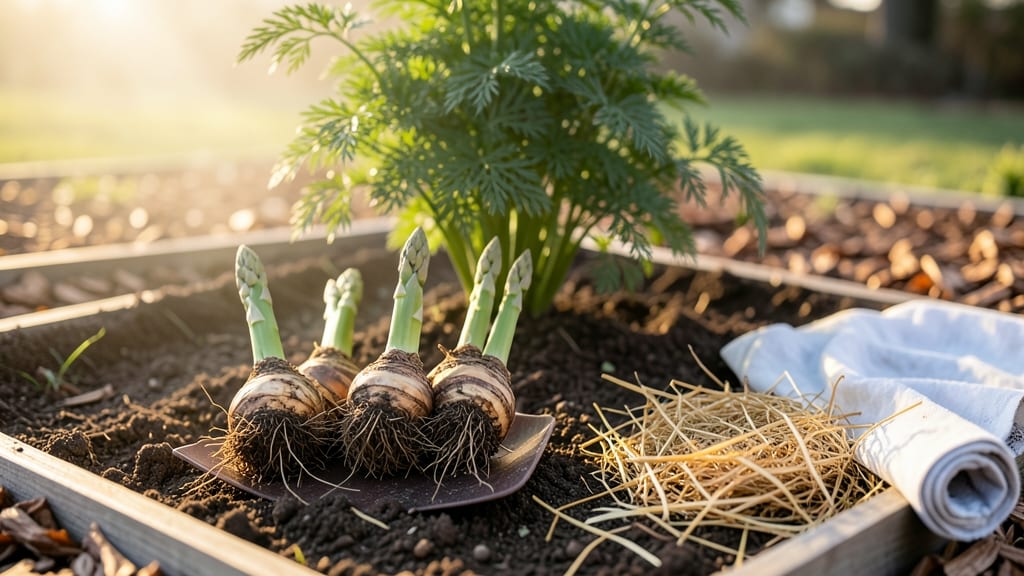
Timing your asparagus planting in Minnesota can mean the difference between a decades-long harvest and a failed crop—especially when frost lingers into May or arrives early in October. Unlike annual veggies, asparagus crowns need consistent soil warmth (50°F+) to root before Minnesota’s unpredictable weather shifts.
Most gardeners in Zone 4a-5b swear by early spring planting (March–April), but fall is also an option if you act before the first hard freeze. The key?
Waiting until the ground thaws but before the soil dries out—because waterlogged or frozen crowns won’t establish properly. I’ll show you exactly how to nail that window.
You’ll also discover which cold-hardy varieties thrive here (like ‘Mary Washington’) and how to prep your soil for Minnesota’s heavy clay or sandy loam. Spoiler: Raised beds with composted manure are your secret weapon for year-round productivity.
Ready to plant once and reap for life? Let’s break down the step-by-step timing—from soil tests to frost dates—so your asparagus bed becomes the envy of your neighborhood by next summer.
Optimal planting windows for Minnesota’s climate zones (3-5, 6a-6b)
Minnesota’s USDA Zones 3-6 create unique challenges for asparagus growers, where frost dates can shift by weeks. Unlike annuals, asparagus crowns need 40-50°F soil to establish roots before spring frosts return. Planting too early risks crown rot from cold soil, while late planting delays harvests by a full season.
Most Minnesota gardeners focus on spring planting (March-April), but fall is viable in Zone 5-6 with proper timing. The key is aligning planting with soil temperature—not air temperature. Use a soil thermometer to confirm 50°F+ before planting, especially in northern Minnesota where frost lingers.
Here’s how to match planting windows to your Minnesota zone, including frost risk and soil prep tips tailored to local conditions:
For Zone 3-4, spring planting is your safest bet. Wait until soil reaches 45°F—air temperature is a poor indicator. In Zone 5-6, fall planting can work if crowns are in by mid-September, but spring is still preferred to avoid winter heaving from freeze-thaw cycles.
Pro tip: In late springs (like 2021’s frost in May), use black plastic mulch to warm soil faster. For fall planting, cover crowns with straw mulch (6 inches deep) to insulate roots before winter.
Minnesota’s short growing season means asparagus needs 60-90 days of warm soil to establish before harvest. Planting in the right window ensures spears appear in year 2-3—not year 4 or 5.
🌱
5 Signs your Minnesota asparagus planting timing is perfect (or wrong)
Timing your asparagus planting in Minnesota isn’t just about checking a calendar—it’s about reading your soil, weather, and plant health. I’ve learned the hard way that rushing or waiting too long can mean the difference between a thriving perennial bed and wasted crowns.
Here’s how to know you’ve got the timing right—or when to adjust.
First, your soil temperature should consistently stay between 40-50°F at a depth of 4 inches. Use a soil thermometer to check—this is your green light for planting. Cold soil can shock the roots, while soil that’s too warm may dry out before the crowns establish.
I test mine every morning for a week before planting to avoid surprises.
Next, examine the crowns themselves. Healthy asparagus crowns should feel firm but flexible, not brittle or mushy. If they’re shriveled, they’ve dried out and may not recover.
I soak mine in water for 2-4 hours before planting to revive them if they’ve been stored too long. Flexible crowns adapt better to Minnesota’s unpredictable springs.
Don’t ignore weather forecasts—especially in Minnesota, where late frosts can sneak up. Aim to plant when you have a 10-day frost-free window ahead. I always cross-check the National Weather Service and the University of Minnesota Extension for local updates.
If frost is predicted within a week, delay planting or use row covers to protect young crowns.
Finally, watch for moisture retention in your soil. Asparagus crowns need consistent moisture but hate soggy conditions. If your soil drains poorly, amend it with compost or sand before planting. I dig a test hole—if water pools after 30 minutes, I know I need to improve drainage.
Well-drained soil prevents root rot, a common issue in Minnesota’s heavy clay soils.
If you’ve missed the ideal window, don’t panic. Late springs happen! I’ve planted asparagus as late as mid-May in northern Minnesota and still gotten decent harvests by year 3.
Just mulch heavily with straw or leaves to insulate the crowns and extend the growing season. The key is patience—asparagus rewards long-term care, not perfection.