
Plants
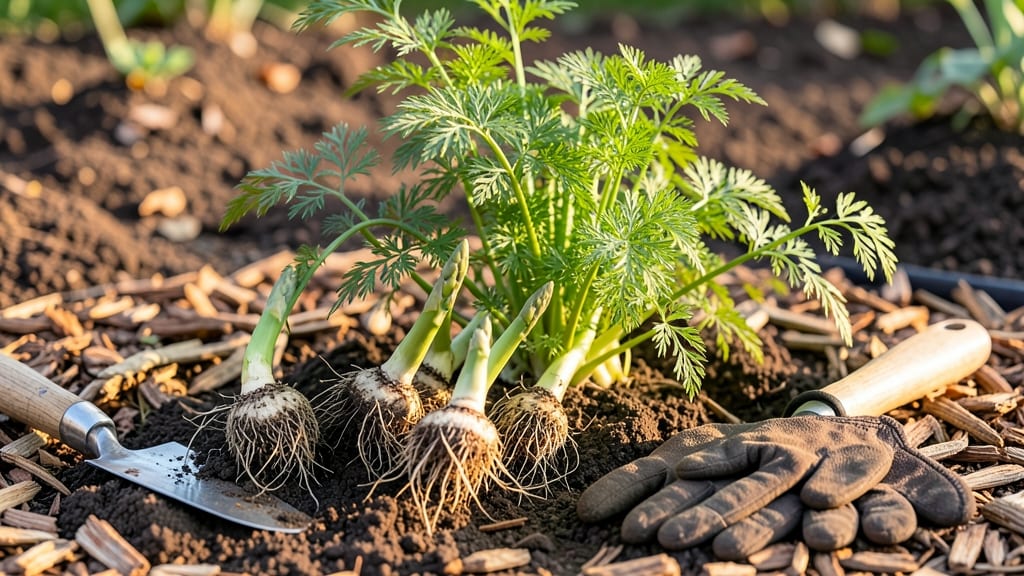
Planting asparagus in Tennessee at the wrong time can turn your three-year wait for harvest into a frustrating gamble with frost. The key to success lies in understanding your local frost dates and soil temperatures—because even the hardiest varieties need the right conditions to thrive.
With Tennessee’s USDA zones 6a-7b, your best window is early spring when soil warms to 50°F—typically March to April. But timing isn’t one-size-fits-all: mountain valleys in East Tennessee may need to wait until late March, while West Tennessee’s warmer microclimates could start as early as February.
Getting this right means faster root establishment and bigger yields.
I’ll break down the exact frost-proof timeline for Tennessee’s top varieties—Mary Washington, Jersey Knight, and Purple Passion—so you can plant with confidence. Plus, I’ll share how to adjust for your specific region, whether you’re in Nashville’s urban heat island or the cooler ridges of the Appalachians.
Ready to avoid common mistakes like planting too early or ignoring soil depth? Let’s dive into the game-changer planting schedule that’ll have your asparagus 🌱 thriving in no time.
Best planting months for asparagus in Tennessee by variety type
Tennessee’s USDA Zones 6a-7b offer ideal conditions for growing asparagus, but timing your planting correctly ensures healthy root development and a bountiful harvest. Most gardeners aim to plant asparagus crowns in early spring, just after the last frost date, when soil temperatures reach 50°F or higher.
This window typically falls between mid-March and early April in most parts of the state, but exact timing depends on your variety and microclimate.
If you’re new to growing asparagus, it’s important to know that Mary Washington, Jersey Knight, and Purple Passion varieties each have slightly different preferences for planting windows.
For example, Mary Washington, a classic green asparagus variety, thrives when planted in late March to early April, while Purple Passion, a more cold-hardy option, can tolerate slightly earlier planting in mid-to-late March.
Understanding these nuances can mean the difference between a thriving asparagus patch and a failed crop.
Here’s a quick breakdown of the best planting months for each popular variety in Tennessee, along with key considerations for soil temperature and frost risk:
| Variety | Best Planting Month | Soil Temperature Threshold | Frost Risk | Notes |
|---|---|---|---|---|
| Mary Washington | Late March - Early April | 50°F+ | Low after mid-March | Classic green variety; needs full sun |
| Jersey Knight | Early April | 50°F+ | Moderate in early April | Disease-resistant; great for beginners |
| Purple Passion | Mid-to-Late March | 45°F+ | Higher in March | Cold-hardy; purple spears |
While early spring is the ideal time to plant asparagus, some gardeners in Tennessee’s warmer microclimates, like Nashville or Memphis, may even consider planting in late February if they’re confident the ground won’t freeze again.
However, this is riskier and requires monitoring soil temperatures closely. If you’re in a cooler mountain region, like the Smoky Mountains, wait until early April to avoid frost damage to the delicate crowns.
Another key factor is soil preparation. Asparagus thrives in well-draining soil with a pH between 6.5 and 7.5. Before planting, amend your soil with compost or aged manure to improve fertility.
Since asparagus is a perennial crop, it’s worth investing time in soil prep now to avoid issues later. I always recommend testing your soil a few weeks before planting to ensure it’s ready for the crowns.
If you miss the spring window, you might wonder whether fall planting is an option. While some plants can be planted in fall, asparagus does not thrive when planted in autumn in Tennessee’s climate.
The roots need time to establish before winter, and planting in fall often leads to weak growth or even death during cold snaps. Stick to spring planting for the best results.
One common mistake I see is gardeners planting asparagus too shallowly. The crowns should be buried 6-8 inches deep to protect them from freezing temperatures and to encourage strong root growth.
If you plant them too close to the surface, the crowns may heave out of the soil during freeze-thaw cycles, stunting their development. Always follow the 6-8 inch depth rule for optimal success.
Finally, remember that asparagus is a long-term investment. It typically takes 2-3 years before you can harvest spears, but once established, a healthy asparagus patch can produce for 15-20 years.
Planting at the right time now sets the stage for years of delicious harvests—so choose your variety, mark your calendar, and get ready for a rewarding gardening journey!
Best planting months for asparagus in Tennessee by variety type
Tennessee’s USDA Zones 6a-7b offer ideal conditions for asparagus, but the exact planting window depends on your chosen variety. Most gardeners in Tennessee aim to plant asparagus crowns between mid-March and early April, after the last frost date.
However, three popular varieties—Mary Washington, Jersey Knight, and Purple Passion—have slightly different preferences for soil temperature and frost resilience.
For Mary Washington, the classic green variety, wait until soil temperatures reach 50°F (about late March to early April). This variety thrives in Tennessee’s full-sun conditions and rewards patience with three years of harvest after planting.
Meanwhile, Jersey Knight, a hybrid with faster maturity, can tolerate slightly cooler soils and may be planted as early as mid-March in warmer microclimates like Nashville.
If you’re growing Purple Passion, Tennessee’s only purple asparagus, prioritize well-drained soil and plant in early April to avoid frost damage. This variety is more sensitive to cold snaps, so timing aligns with late April in cooler mountain regions like the Great Smoky Mountains.
Always check your local National Weather Service frost dates for precision.
Asparagus Planting Timeline by Variety in Tennessee
| Variety | Ideal Planting Window | Soil Temp Threshold | Tennessee Regions |
|---|---|---|---|
| Mary Washington | Late March–Early April | 50°F | East, Middle TN |
| Jersey Knight | Mid-March–Late March | 45°F | West, Urban Heat Islands |
| Purple Passion | Early–Mid April | 55°F | Mountain Valleys |
🌱 Pro Tip: Use a soil thermometer to confirm readiness—planting too early risks frost damage, while waiting too long delays root establishment.
Beyond variety, Tennessee’s microclimates play a role. In East Tennessee’s higher elevations, like Chattanooga, delay planting until mid-April to avoid late frosts. Conversely, West Tennessee’s warmer zones (e.g., Memphis) may allow February planting for early varieties like Jersey Knight, provided soil is workable.
Always account for a 3-inch mulch layer to insulate roots during unpredictable spring temperature swings.
For fall planting, Tennessee gardeners rarely attempt it due to the short growing season, but crowns planted in September can establish roots before winter if soil temps stay above 40°F. This method is risky but works in Zone 7b areas like Nashville.
If you choose this route, use black plastic mulch to accelerate soil warming in spring. Most experts recommend sticking to spring planting for reliability.
Remember: Patience is key with asparagus. While you won’t harvest until Year 3, proper timing now ensures 20+ years of productivity—far longer than most garden crops.
Mark your calendar for March 15th as your target, then adjust based on your variety and local frost data. Your future harvests will thank you!