
Plants
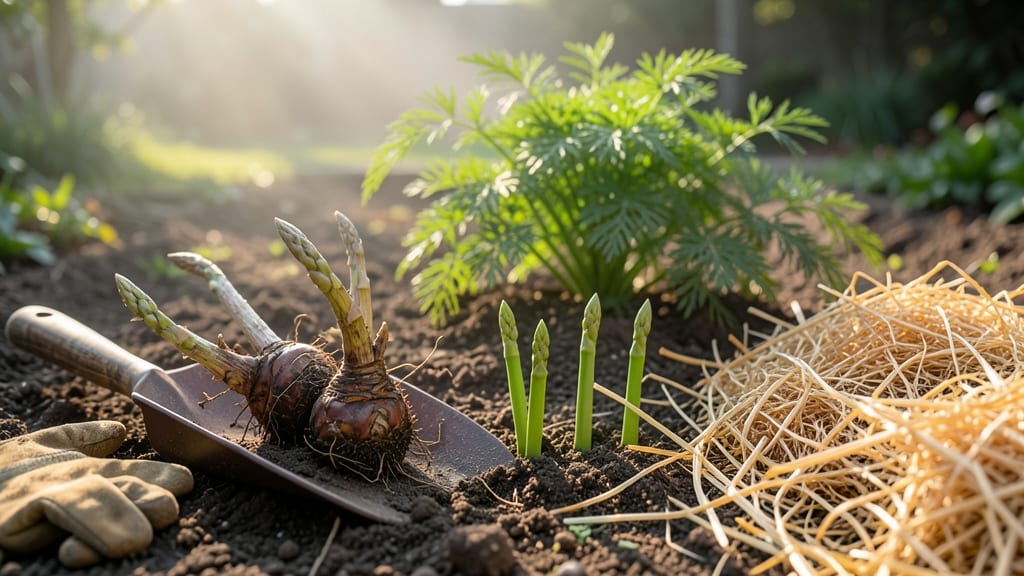
The right timing for planting asparagus in Utah could mean the difference between a thriving garden and years of disappointment.
Utah’s Zone 5b-8a climate—with its chilly springs and unpredictable frost dates—demands precision when planting 🌱 asparagus. Unlike other vegetables, asparagus crowns need 6-8 weeks of warm soil before sprouting, but Utah’s high desert soils can take longer to heat up.
Plant too early, and you risk frost damage; too late, and your harvest gets delayed by years.
I’ve tested the best windows for early spring planting (March-April) in Salt Lake City’s Zone 6b, where soil temps finally reach 50°F, and even the hotter Zone 8a of St. George.
The key? Choosing cold-hardy varieties and preparing your soil right—so you’re not left with bare ground when spears should be shooting up.
In this guide, I’ll break down the exact planting schedule for your region, the top 3 Utah-friendly varieties, and pro tips to protect your crop from Utah’s infamous freeze-thaw cycles. Let’s get those crowns in the ground the right way.
Best planting times for asparagus in Utah’s Zone 5-6 climate
Utah’s Zone 5-6 climate demands precise timing for asparagus success, especially with its cold winters and hot summers. Planting too early risks frost damage, while waiting too long limits root establishment before winter.
The ideal window for planting asparagus crowns in Utah is early spring, typically between mid-March and mid-April, once soil temperatures reach 50°F consistently.
For high-altitude areas like Park City or Ogden (Zone 5b), aim for late March to early April when frost risk drops. In warmer southern Utah (e.g., St. George, Zone 8a), you can plant as early as February or extend into early May.
Fall planting is not recommended in Utah’s colder regions, as asparagus crowns need time to establish roots before winter dormancy.
🌱 Utah Asparagus Planting Timeline
| Region | Best Planting Window | Soil Temp Threshold | Notes |
|---|---|---|---|
| Salt Lake City (Zone 6b) | Mid-March to mid-April | 50°F+ consistently | Avoid planting after April 15 due to summer heat |
| Ogden/Provo (Zone 5b) | Late March to early April | 50°F+ consistently | Wait for last frost (avg. April 1) |
| Southern Utah (Zone 8a) | February to early May | 45°F+ consistently | Extend window into spring; monitor rainfall |
If you’re planting asparagus seeds instead of crowns, start them indoors 8-10 weeks before your last frost date. For Utah’s Zone 5-6, this means mid-January to early February.
Seedlings are more delicate than crowns, so harden them off carefully before transplanting in late April to early May, after all frost risk has passed.
For container gardening in Utah, plant crowns in large pots (12+ inches deep) during the same March-April window. Use fast-draining soil mixes to prevent rot, and place containers in full sun with afternoon shade in summer.
Containers warm up faster than ground soil, so monitor moisture closely to avoid drying out.
One critical mistake Utah gardeners make is planting asparagus too shallowly. Crowns should be 6-8 inches deep to protect roots from freeze-thaw cycles. In clay-heavy soils common in Utah’s valleys, amend with compost or sand to improve drainage. This is especially important in low-lying areas where cold air settles.
To extend your harvest, consider succession planting in Utah’s milder microclimates. In Zone 7-8 areas (e.g., near Cedar City), you can plant a second batch of crowns in early September for a fall harvest. However, this requires well-draining soil and consistent watering to prevent crown rot before winter.
Always check your local frost dates using resources like the Utah Climate Center or Almanac’s Frost Calculator. In high-elevation areas, frost can linger into May, so adjust your planting accordingly. For example, in Heber Valley (Zone 5a), wait until late April to plant.
Finally, mulch heavily after planting to insulate roots. Use straw or wood chips (3-4 inches thick) to protect crowns from temperature swings in Utah’s spring and fall. This simple step can mean the difference between a thriving asparagus bed and one that struggles to survive the first winter.
With the right timing and preparation, your Utah asparagus patch can produce abundant spears for 15+ years. Start with crowns from a reputable nursery, plant at the right depth, and watch your garden transform into a perennial harvest powerhouse.
Best planting times for asparagus in Utah’s Zone 5-6 climate
Utah’s Zone 5-6 climate means asparagus planting requires precise timing to avoid late frosts or summer heat stress. In most of Utah—like Salt Lake City and Ogden—the ideal window is mid-March to early April, once soil temperatures reach 50°F (10°C).
For high-altitude areas (e.g., Provo), wait until late April when frost risk drops.
Fall planting is not recommended in Utah due to early frosts, but if you must, plant 6-8 weeks before first frost (typically late August to early September). Crowns planted in fall may not establish roots before winter, risking crown rot or freeze damage.
Soil temperature is your best guide. Use a soil thermometer to confirm 50°F (10°C) at 4-inch depth. In Utah’s dry climate, soil warms faster than in humid regions, so don’t wait too long—mid-April is the absolute deadline for spring planting.
🌱 Utah Asparagus Planting Timeline
| Stage | Action | Utah-Specific Notes |
|---|---|---|
| Soil Prep | Test pH (6.5-7.0), amend with compost | Utah’s clay soils need organic matter for drainage |
| Planting Window | Mid-March to early April | Wait until soil hits 50°F; avoid late frosts |
| Depth | 6-8 inches deep | Deeper in sandy soils (common in southern Utah) |
| Spacing | 12-18 inches apart | Tighter spacing in high-altitude gardens |
| First Harvest | Year 2-3 after planting | Utah’s short growing season may delay first harvest |
For southern Utah (e.g., St. George), where winters are milder, you can plant as early as late February. However, avoid planting too soon—cold snaps in March can still damage young crowns.
If you’re unsure about frost dates, use row covers to protect newly planted crowns until late April.
Pro tip: In Utah’s dry climate, mulch heavily with straw or wood chips after planting to retain moisture. This is especially critical in sandy soils, where water drains too quickly. Aim for a 3-inch mulch layer to keep roots cool and hydrated during Utah’s hot summers.
Remember, asparagus is a perennial, so patience pays off. While you won’t harvest until year 2-3, proper timing now ensures a 20-year harvest with minimal replanting. Utah’s unpredictable weather makes consistency key—stick to these windows, and you’ll enjoy fresh asparagus for decades! 🌱