
Plants
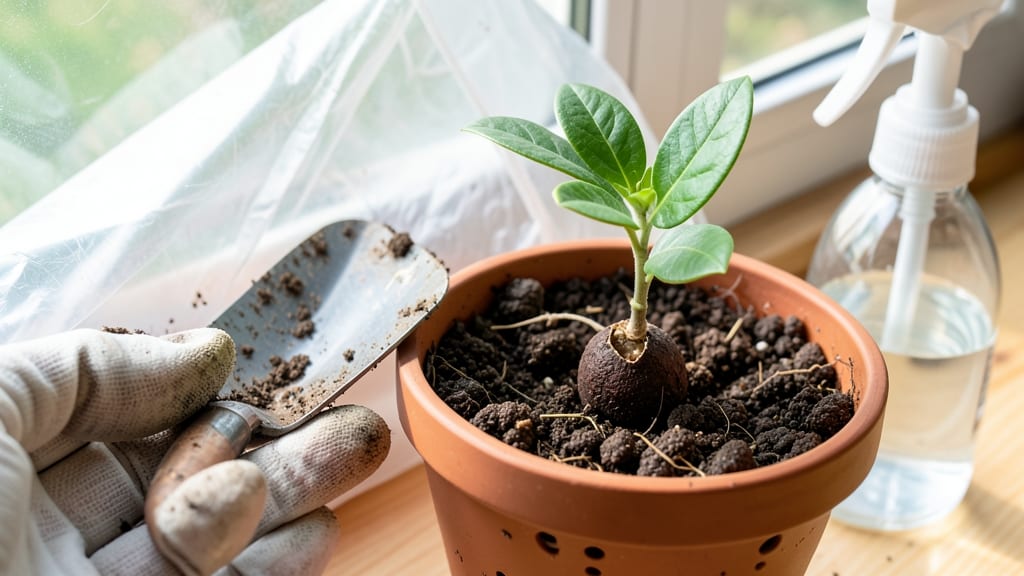
Planting an avocado seed 🥑 in dirt at the wrong time can mean the difference between a thriving seedling and a frustrating failure. Whether you're a beginner or a seasoned plant parent, getting the timing right is the key to success—especially when starting indoors before the last frost.
Most gardeners rush to plant too early, only to watch their seeds rot or sprout too weakly. The secret lies in waiting until your seed has developed a sturdy root system, typically after 4-6 weeks of water germination. This ensures it's strong enough to handle soil without shock.
If you're in USDA Zone 6a, aim for early spring—after your last frost date—when indoor temperatures stay consistently above 60°F. For tropical climates, timing is less critical, but consistent warmth remains the most important factor.
In this guide, I'll walk you through the exact indoor timeline, soil prep, and climate considerations to give your avocado seed the best shot at growing into a healthy plant. Let's get started!
Optimal indoor timeline for planting avocado seeds in soil
Planting your avocado seed in soil at the right time is critical—rushing it can shock delicate roots, while waiting too long risks stunted growth. The best time to transition from water germination to soil is when your seedling has 2-3 inches of roots and a small stem with leaves.
This typically happens 6-12 weeks after starting the seed in water, depending on conditions.
Indoor avocado seedlings thrive in warmth (70-85°F) and bright, indirect light. If your home is cooler than 65°F, germination slows dramatically, so use a seedling heat mat if needed. Place your seedling near a south-facing window or under grow lights for 12-14 hours daily to mimic spring conditions.
Before planting, prepare your seedling by gently rinsing the roots to remove any chlorine or debris. This step prevents root rot and ensures better soil contact. Avoid letting the roots dry out—keep them moist with a damp paper towel while you prepare the pot.
Here’s your step-by-step timeline for transplanting, tailored to indoor conditions:
Avocado Seedling Transplant Timeline
- 1 Weeks 1-4: Start seed in water with 1/3 submerged. Change water every 2-3 days to prevent bacteria.
- 2 Weeks 4-6: Roots reach 1-2 inches. Place seedling in bright indirect light (avoid direct sun). Monitor for first leaves.
- 3 Weeks 6-8: Roots grow to 2-3 inches. Prepare well-draining soil mix (50% potting soil, 50% perlite). Choose a 6-inch pot with drainage holes.
- 4 Weeks 8-12: Transplant when roots fill a glass of water (test by submerging). Plant ½ inch deep in soil. Water lightly to settle soil.
- 5 Week 12+: Move to full sun (6+ hours). Fertilize lightly with balanced 10-10-10 after 4 weeks. Watch for new leaf growth as a sign of success.
If your seedling develops yellow leaves or drooping after transplanting, it’s often due to transplant shock. To fix this, move it to a shadier spot for 3-5 days and keep the soil moist but not soggy. Avoid fertilizing for the first 4 weeks—young roots are still fragile.
For tropical climates (USDA Zones 10-11), you can transplant outdoors anytime after roots fill a glass, as frost isn’t a concern. In cooler zones (6a-9a), wait until after the last frost date (typically mid-spring) to avoid cold damage.
Use a black plastic pot outdoors to keep roots warm if transplanting early.
Pro tip: Label your pot with the transplant date to track growth progress. Avocado seedlings grow 1-2 feet in their first year, so patience is key—don’t rush the process! 🌱
Optimal indoor timeline for planting avocado seeds in soil
Timing your avocado seed transplant into soil is just as critical as germination. Most seeds take 4-12 weeks to develop roots in water—waiting too long risks root damage, while planting too soon can shock delicate sprouts.
My ideal indoor timeline balances root strength with seedling resilience, starting when roots reach 2-3 inches and the stem shows green growth.
Begin by preparing your seedling for soil 1-2 weeks before transplant. Gradually reduce water changes from daily to every 2-3 days to toughen roots. This mimics natural drying cycles and prevents transplant shock.
Place your seedling near a bright, indirect light source (like a south-facing window) to strengthen stems before soil contact.
Step-by-Step Transplant Timeline
- Week 4-6: Roots reach 1-2 inches (time to prep soil mix). 🌱
- Week 6-8: Stem shows first green leaves (reduce watering to toughen roots). 💧
- Week 8-10: Roots hit 2-3 inches (ideal transplant window). ✂️
- Week 10+: Plant in soil if roots exceed 3 inches (risk of root binding increases). 🪴
Pro Tip: Use a transparent container to monitor root growth—this eliminates guesswork!
After roots hit 2 inches, transplant during your home’s warmest indoor hours (10 AM–2 PM). Place the seedling 1 inch deep in soil, burying up to the first set of leaves.
This depth mimics natural soil conditions and prevents stem rot. Keep the soil mix warm (70-85°F) using a heat mat if needed—cool soil slows root establishment.
For the first 7-10 days post-transplant, maintain high humidity (cover with a plastic dome or bag) to reduce stress. Mist leaves daily and avoid direct sunlight for 3-5 days to prevent leaf burn. Gradually introduce full light as new growth appears—a sign your seedling is adapting.
If your seedling shows yellowing leaves or wilting after transplant, it’s often a sign of overwatering or root disturbance. Reduce watering to every 3-4 days and check for root rot by gently tugging the seedling. Healthy roots should resist slight movement without soil clinging.
Once established in soil, your avocado seedling will need 6+ hours of sunlight daily and consistent moisture. Place it near a south-facing window or under grow lights to ensure robust growth.
With patience, your seedling will develop into a tree that can reach 30-80 feet tall—but that’s a story for another stage! 🌳