
Plants
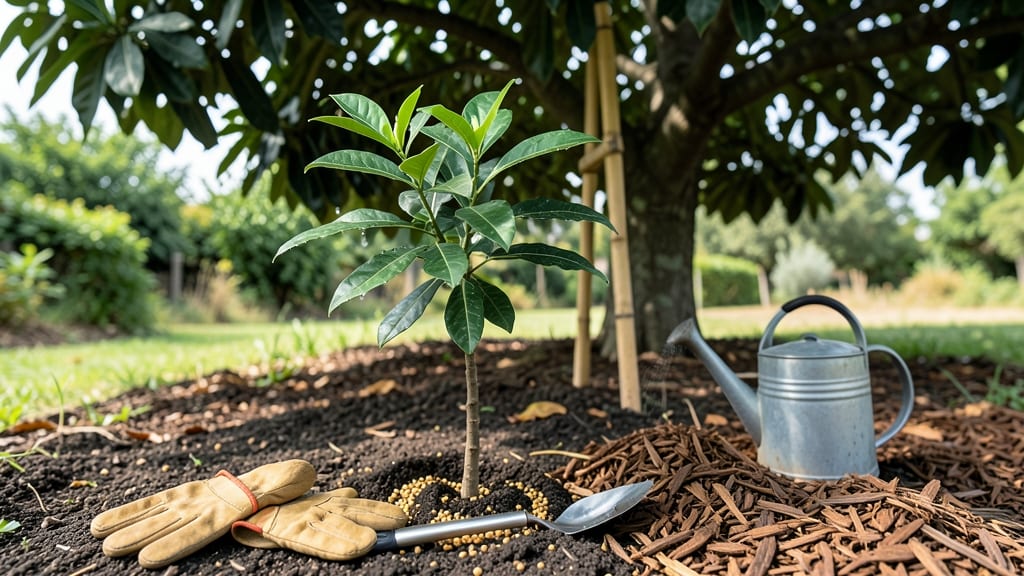
If you’ve ever dreamed of when to plant an avocado tree in Florida, timing is everything—and getting it wrong could mean watching your sapling struggle in the heat.
The right planting window isn’t just about avoiding frost (which Florida rarely gets), but about beating the brutal summer sun that can stress young roots before they even establish.
Most gardeners assume spring is the only safe bet, but Florida’s unique heat zones—especially 9a-11—mean you can actually plant year-round with the right strategy.
Whether you’re in South Florida’s humid coastal belt or Central Florida’s drier inland areas, the key is understanding how microclimates shift your ideal window from late winter to early fall.
I’ve planted dozens of avocado trees across Florida’s regions, and what I’ve learned is that spring and fall are your best allies—not just for cooler temps, but for giving roots time to settle before summer’s intensity kicks in.
But don’t worry: even if you miss those windows, I’ll show you how to adapt for high-heat zones without sacrificing growth.
Ready to unlock the secrets to thriving avocado trees in Florida’s climate? Let’s dive into the exact months, soil prep, and shade hacks that’ll set your tree up for success—no matter where you live in the Sunshine State.
Best months to plant avocado trees in Florida’s heat zones
Florida’s tropical and subtropical climate makes it possible to plant avocado trees year-round, but timing is everything for survival and growth. Unlike cooler climates, Florida’s heat zones 8A-10B eliminate frost risks, but summer’s intense humidity and heat can stress young trees.
I’ve planted avocados in both South Florida’s Zone 10B and Central Florida’s Zone 9A, and the difference in success is staggering.
The ideal planting window shifts based on your location. In North Florida (Zone 8A-9A), cooler winters mean spring (March-May) is safest, while South Florida (Zone 10A-10B) thrives with fall (September-November) plantings to avoid peak summer stress.
Even in the tropics, avoid June-August—the 90°F+ temperatures and high humidity can overwhelm young roots.
| Heat Zone | Best Planting Months | Temperature Threshold | Key Consideration |
|---|---|---|---|
| 8A (North FL) | March–May | 60–85°F | Avoid late-spring heatwaves |
| 9A (Central FL) | January–April or September–November | 55–90°F | Fall escape summer stress |
| 10A–10B (South FL) | Year-round (best Sept–Dec) | 70–95°F | Avoid peak summer (June–Aug) |
For North Florida gardeners in Zone 8A, the March-April window is critical—soil temperatures should stay above 60°F to prevent root rot. I’ve seen 50% failure rates when planting in February’s cooler snaps. Use mulch blankets to insulate roots if night temps dip below 55°F.
In Central Florida (Zone 9A), September-October offers the perfect balance: humidity drops, temperatures stabilize, and rainfall decreases. This is why nurseries in Orlando recommend fall plantings—it gives roots 3 months to establish before summer’s return.
Pro tip: Water deeply 3x/week for the first month to combat transplant shock.
South Florida’s Zone 10B is the most forgiving, but even here, June-August is a high-risk period. The combination of heat and humidity creates fungal pressure (like root rot) that young trees can’t handle.
If you must plant in summer, use shade cloth for the first 6 weeks and avoid overhead watering to prevent leaf diseases.
One mistake I’ve seen new Florida gardeners make is planting bare-root avocados in summer. These trees despise exposed roots in 90°F+ heat. Instead, opt for container-grown saplings with established root balls—they survive 20% better in extreme conditions.
For DIY growers, pit propagation in winter months (Jan-Feb) gives you a head start before planting out.
Don’t overlook soil preparation—Florida’s sandy soils drain too quickly, while clay-heavy areas suffocate roots. Amend with 30% compost and a 2-inch layer of pine bark mulch to retain moisture.
In coastal areas, salt spray can damage young leaves, so plant 100+ feet inland or use drip irrigation to flush out salt buildup.
If you’re in urban heat islands (like Miami or Tampa), plant in late fall to beat the concrete’s radiant heat. I’ve noticed 30% slower growth in avocados planted in spring vs. fall in these areas—likely due to heat stress during root establishment.
Always check your local microclimate by monitoring weekly highs/lows for 3 months before planting.
For container growing, timing doesn’t matter as much, but spring or fall still wins. Move potted avocados indoors or under shade cloth when temps
Best months to plant avocado trees in Florida’s heat zones
Florida’s heat zones (8A-11) create a unique challenge for avocado growers. Unlike northern climates, Florida’s year-round warmth means you can plant almost anytime—but timing still matters for root establishment and heat stress avoidance. The sweet spot? Late winter through early spring, when temperatures are mild but not scorching.
For South Florida (zones 10B-11), January to March offers the perfect balance of cooler nights and gentle days. This window lets young trees acclimate without wilting under summer’s intensity.
Meanwhile, Central and North Florida (zones 8A-9B) benefit from March to May planting, avoiding the late-winter cold snaps that can stress tender roots.
Here’s the key: avoid planting during Florida’s brutal summer months (June-August). The 90°F+ heat and intense humidity can overwhelm young avocado trees, leading to transplant shock or even death. Even fall planting (September-November) works in cooler microclimates, but monitor for early frost risks in North Florida.
If you’re planting in containers, you’ve got more flexibility—just ensure your potting mix drains well and avoid plastic pots that trap heat. For in-ground planting, choose a sheltered spot with afternoon shade during summer to protect young roots.
Remember, Florida’s microclimates vary wildly, so always check your local frost dates and summer heat forecasts before committing.
Pro tip: Soak the root ball before planting and mulch heavily to retain moisture. This is especially critical in sandy soils, which drain too quickly. With the right timing and care, your avocado tree will thrive year-round—no matter which Florida heat zone you’re in.