
Trees
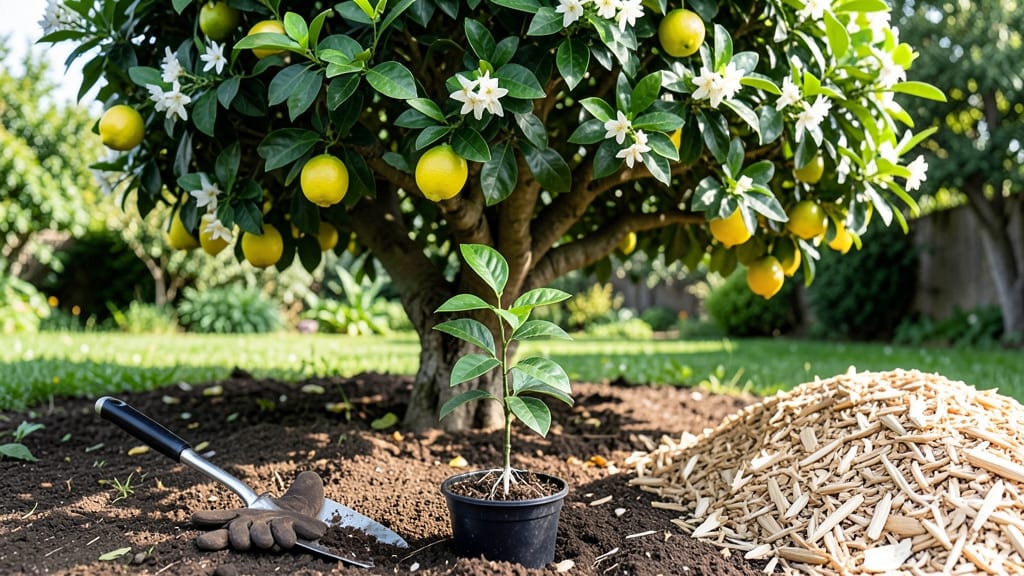
Timing your 🍊 citrus tree planting in Central Florida isn’t just about picking a month—it’s about giving your tree the best shot at thriving in your 9a-10a heat zones.
Plant too early, and you risk weak roots struggling with summer heat; too late, and frost could sneak in before your tree establishes itself. The secret? September-November or February-March offers the perfect balance of mild weather and moisture for root growth.
I’ve seen firsthand how a well-timed planting transforms a citrus tree from a struggling sapling to a fruit-bearing powerhouse within 2-3 years. Whether you’re planting in the ground or containers, understanding Florida’s microclimates—like coastal humidity vs. inland dryness—makes all the difference.
Let’s break down exactly when and how to plant for maximum success.
You might think citrus trees are low-maintenance, but root establishment in the first 6 months determines how well your tree handles Florida’s intense summers.
I’ll walk you through the critical factors—soil prep, frost protection, and even how to spot the perfect well-draining spot—to ensure your tree takes off without stress.
Ready to skip the guesswork? By the end, you’ll know not just when to plant, but how to set your citrus tree up for years of year-round harvests. Let’s get those roots growing the right way.
Best planting windows for citrus trees in Central Florida’s heat zones
Central Florida’s unique heat zones (9A-10A) create ideal conditions for citrus trees year-round, but timing matters for root establishment and fruit production. The best windows align with mild temperatures and consistent rainfall, avoiding extreme heat or frost risks.
For most citrus varieties like oranges, grapefruits, and lemons, the ideal planting periods are early fall (September-November) and late winter (February-March).
Planting in early fall allows roots to establish before winter’s cool temperatures, while late winter planting avoids summer’s intense heat and potential transplant shock. Coastal areas in heat zone 10A have longer frost-free windows, while inland zone 9A areas may experience occasional light frosts in January.
Always check your local microclimate for precise timing.
Dwarf varieties like ‘Meyer lemons’ or ‘Calamondin’ adapt more easily to container planting, giving you flexibility to plant anytime the soil isn’t frozen. However, standard-sized trees (20-30 ft tall) thrive best when planted in cooler months to reduce stress.
Container-grown trees can also be planted year-round in Central Florida, but root ball health is critical during summer months.
🌱
| Citrus Variety | Best Planting Window | Why This Timing? | Heat Zone Fit |
|---|---|---|---|
| Sweet Oranges (e.g., Valencia, Navel) | September–November or February–March | Avoids summer heat stress; roots establish before winter chill. | 9A–10A |
| Grapefruits (Ruby Red, White) | February–March (primary) or September | Needs warm soil to root; late winter avoids early spring frosts. | 9A–10A |
| Lemons (Meyer, Eureka) | Year-round (best: September–November) | Tolerates containers; fall planting prevents summer drought stress. | 9A–10A |
| Limes (Bearss, Key) | February–March or September–October | Fast-growing; spring/fall avoids heat or cold extremes. | 9A–10A |
| Kumquats (Meiwa, Nagami) | September–November (primary) or February | Cold-hardy; fall planting ensures winter survival. | 9A–10A |
If you’re planting bare-root citrus trees, do so in late winter (February-March) to give roots time to establish before summer’s peak heat. Container-grown trees, however, can be planted anytime the soil isn’t frozen, making them a great option for urban gardeners with limited space.
Just ensure the root ball stays moist during the first 4-6 weeks after transplanting.
For container planting, use pots at least 15-20 gallons for dwarf varieties to prevent root binding. Place containers in full sun (6+ hours daily) and protect from strong winds with windbreaks or staking.
Inland areas may experience microclimate variations, so monitor local frost alerts if planting in January.
Avoid planting citrus trees in summer (June-August) unless you’re using shade cloth to protect young roots from heat stress. The soil temperature in Central Florida can exceed 90°F during these months, which can burn tender roots and stunt growth.
If you must plant in summer, choose overcast days and water deeply every 2-3 days.
🌿
One common mistake is planting citrus trees too early in spring (April) when soil temperatures are still warming. This can lead to transplant shock as roots struggle to adapt. Instead, aim for late winter when daytime temperatures are consistently above 60°F and nighttime lows stay above 45°F.
This balance ensures root growth without exposing the tree to late frosts.
Pro tip: Use a soil thermometer to check root zone temperatures before planting. Ideal soil temps for citrus range between 65-75°F. If your soil is cooler than 60°F, wait 2-4 weeks to plant.
In heat zone 10A, you can plant citrus year-round, but fall and winter remain the safest windows for optimal root development.
Best planting windows for citrus trees in Central Florida’s heat zones
Central Florida’s USDA Zones 9A-10A create a near-perfect climate for citrus trees, but even here, timing matters. The ideal windows for planting are September through November or February through March, when temperatures are mild and frost risk is minimal.
These periods allow roots to establish before the intense summer heat or rare winter chills.
For bare-root citrus trees, late winter (February-March) is best—roots wake from dormancy but aren’t yet stressed by heat. Container-grown trees, however, can be planted year-round in Central Florida, though summer planting requires extra shade and watering. The key is avoiding peak heat (June-August), which stresses young roots.
🍊 Citrus Planting Timeline for Central Florida
| Month | Best For | Notes |
|---|---|---|
| September-November | Bare-root or potted trees | Cool temps aid root growth; avoid late Nov frost risk. |
| February-March | All citrus varieties | Optimal for new growth; minimal frost threat. |
| April-May | Container-grown trees | Provide afternoon shade; water deeply 2x/week. |
| June-August | Avoid (unless container) | Heat stress risks; only plant with drip irrigation. |
| December-January | Emergency only | Rare frosts possible; use frost cloth if needed. |
Different citrus varieties thrive best in specific windows. Oranges and grapefruits prefer February-March planting for robust root systems before summer. Lemons and limes, more heat-tolerant, can handle September planting but need consistent moisture. Always check your microclimate—coastal areas (like Cocoa Beach) have milder winters than inland Orlando.
If you miss the ideal windows, don’t panic! Container-grown trees can be planted in April or May, but prioritize afternoon shade and drip irrigation to prevent heat shock. Young trees planted in summer need weekly deep watering (1-2 gallons) to compensate for evaporative loss.
For dwarf citrus varieties (like Meyer lemons), timing is slightly more flexible due to their smaller root systems. Still, avoid planting during Florida’s rare frost events (typically January-February in Zone 8A areas). Use a frost blanket if planting in late winter to protect tender new growth.
Remember: Root establishment is the #1 priority. Trees planted in optimal windows bear fruit 1-2 years earlier than those stressed by poor timing. For example, a Valencia orange planted in March may fruit by year 3, while one planted in July might take until year 5.