
Plants
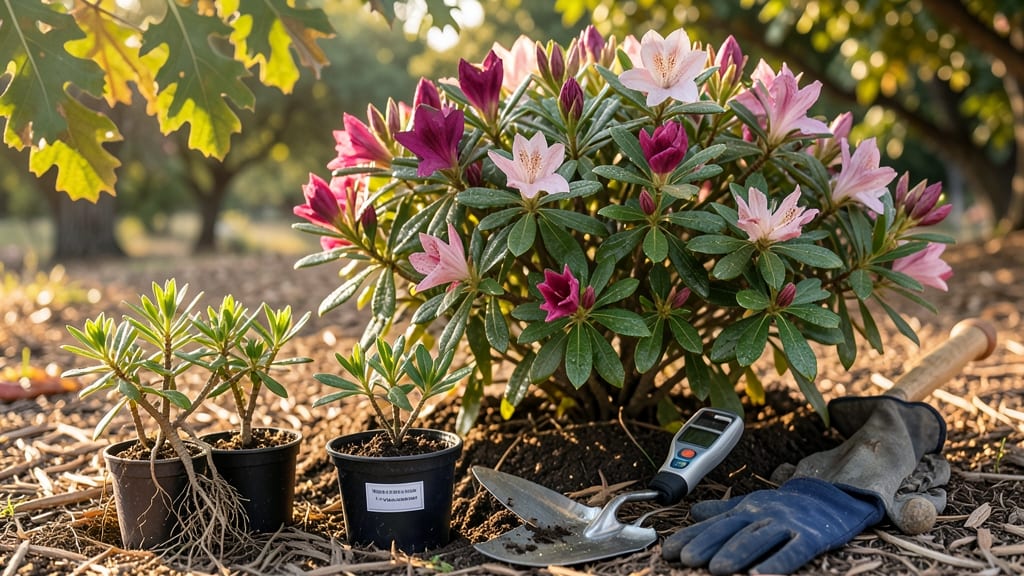
Timing is everything when you're planting azaleas in Florida—get it wrong, and your 🌸 azaleas might struggle through the heat or freeze before they even take root. The key to vibrant blooms lies in understanding Florida's unique climate zones, where fall and early spring create the perfect window for success.
Florida's 8a-11 zones mean you can't treat every region the same. North Florida's cooler winters demand different timing than South Florida's frost-free growing season. Whether you're in the Panhandle or Miami, planting at the right time ensures your azaleas establish strong roots before facing summer's intensity or winter's chill.
I'll show you exactly when to plant—September through November for fall planting or February through March for spring—and which heat-tolerant varieties will thrive in your specific zone. Plus, I'll share the critical care steps that make all the difference in Florida's unpredictable weather.
Ready to transform your yard with stunning azaleas? Let's dive into the exact months and varieties that will give you the most dramatic blooms year after year, no matter where you are in the Sunshine State.
Best months to plant azaleas in Florida by climate zone
Florida’s climate varies dramatically from North to South, so planting azaleas at the wrong time can mean the difference between lush blooms and wilted leaves. The ideal window is fall (September–November) or early spring (February–March), when temperatures are mild and rainfall supports root establishment.
Let’s break it down by zone to avoid summer stress or winter frost damage.
In North Florida (Zones 8a–8b), where frost is a risk, aim for late October to early December or February to March.
These months provide cooler soil temps (60–70°F), reducing transplant shock. Central Florida (Zones 9a–9b) gardeners have a slightly longer window—September through November—while South Florida (Zones 10a–11) can plant year-round, but avoid peak summer (June–August) due to extreme heat.
Soil temperature is critical: azaleas thrive when roots can establish before heat stress sets in. Use a soil thermometer to confirm temps are below 80°F before planting. In North Florida, wait until after the first frost (typically mid-January) to plant spring varieties.
Rainfall patterns also play a role. September–October offers natural moisture, while February–March requires consistent watering as temperatures rise. In South Florida, where humidity is high, avoid planting during hurricane season (June–October) to prevent wind damage or waterlogged soil.
Here’s a quick zone-specific calendar to guide your timing:
| Zone | Best Planting Months | Soil Temp Goal | Key Consideration |
|---|---|---|---|
| North (8a–8b) | Late Oct–Dec, Feb–Mar | 60–70°F | Avoid frost; mulch heavily |
| Central (9a–9b) | Sep–Nov, Feb | 65–75°F | Watch for summer heat |
| South (10a–11) | Year-round (avoid Jun–Aug) | 70–80°F | Hurricane season risk |
For container-grown azaleas, timing is less critical, but still plant in fall or early spring to maximize root growth before Florida’s heat peaks. Containers dry out faster, so ensure they have drainage holes and use peat-based potting mix to maintain acidity.
After planting, mulch heavily (3–4 inches) with pine bark or pine needles to retain moisture and regulate soil temperature. In North Florida, add an extra layer of mulch in winter to protect roots from freezing temps.
Water deeply 2–3 times per week for the first month, then taper to weekly once established.
Pro tip: Test your soil’s pH before planting—azaleas thrive in acidic soil (4.5–6.0). If your soil is alkaline, amend it with sulfur or peat moss 2–3 months before planting to give the soil time to adjust. Florida’s sandy soils often need this extra prep to support healthy growth.
Timing your azalea planting right isn’t just about the calendar—it’s about reading your local microclimate. Observe your garden’s sun exposure, wind patterns, and rainfall to fine-tune these general guidelines.
With the right timing, your azaleas will reward you with vibrant blooms for years—even in Florida’s challenging climate! 🌸
Best months to plant azaleas in Florida by climate zone
Florida’s climate varies dramatically from North to South, so your planting window depends entirely on which USDA zone you’re in. North Florida (Zones 8a-9a) faces frost risks, while South Florida (Zones 10a-11) enjoys year-round warmth.
The ideal time to plant azaleas is during fall (September–November) or early spring (February–March), when temperatures are mild and rainfall supports root establishment.
In North Florida, aim for late September through November to avoid winter frost. The soil stays warm enough for root growth but cools slightly, reducing stress.
For Central Florida (Zones 9b-10a), extend your window to August through November, as frost is rare but summer heat can be intense. Meanwhile, South Florida gardeners (Zones 10b-11) can plant year-round, though September–March is still optimal for avoiding peak summer humidity.
| Zone | Best Planting Window | Soil Temp Goal (°F) | Key Consideration |
|---|---|---|---|
| North (8a-9a) | Late Sept–Nov | 60–70°F | Avoid frost risk; mulch heavily |
| Central (9b-10a) | Aug–Nov | 65–75°F | Watch for summer heat stress |
| South (10b-11) | Year-round (best Sept–Mar) | 70–80°F | Avoid peak humidity (June–Aug) |
Timing isn’t just about months—it’s about soil temperatures. Azaleas thrive when soil is between 60–75°F. Use a soil thermometer to confirm readiness, especially in North Florida, where cooler temps slow root growth.
If planting in spring, do it by mid-March to give roots time to establish before summer’s heat peaks.
Rainfall also plays a role. Florida’s wet season (June–September) can drown young roots, while dry winters may stress plants. In South Florida, plant during the dry season (Dec–Apr) to reduce fungal risks.
Always water deeply after planting—1–2 gallons per plant—to encourage root spread before the first dry spell hits.
Pro tip: Mulch immediately after planting with 2–3 inches of pine bark to retain moisture and regulate soil temps. This is especially critical in Central Florida’s fluctuating climate, where afternoon humidity can spike suddenly. Mulch also suppresses weeds, reducing competition for nutrients during your azalea’s first critical months.
Finally, avoid planting during Florida’s extreme weather transitions. The transition from summer to fall (late August) can bring storms, while late winter (January–February) may still see cold snaps in North Florida.
By sticking to these windows, you’ll give your azaleas the best chance to establish roots before facing stress—whether from heat, cold, or humidity.