
Plants
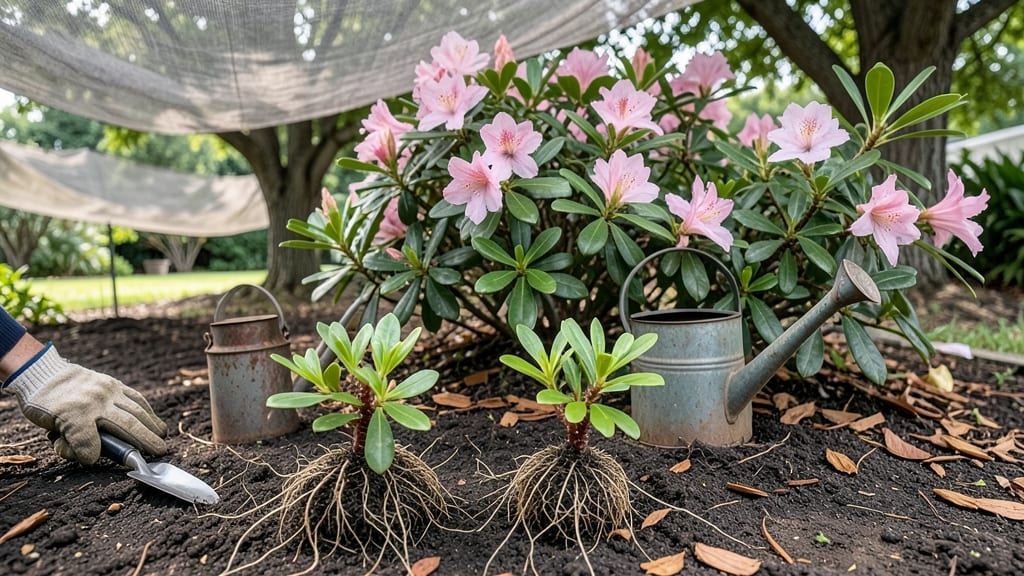
Mastering when to plant azaleas in Zone 9 is the secret to those show-stopping blooms that make your garden the envy of the neighborhood.
Unlike cooler climates, Zone 9's warm winters and scorching summers demand a different approach—plant too early, and your 🌸 azaleas wilt in the heat; wait too long, and they struggle to establish roots before summer hits.
Here's the game-changer: the sweet spot for Zone 9 planting falls between late fall (October-November) and early spring (February-March). This timing lets roots settle before summer's intensity, while avoiding the stress of winter's mild chill.
I'll break down exactly how to time it right, including how to spot the perfect microclimate cues that most gardeners miss.
You'll also discover which heat-tolerant azalea varieties thrive in Zone 9's climate—some can even handle full sun with the right care. Plus, I'll share my top tips for post-planting success, like the critical watering schedule that keeps your shrubs lush without drowning them in summer's heat.
Whether you're a first-time gardener or a seasoned pro, these insights will help you plant azaleas that not only survive but thrive in Zone 9's unique conditions. Let's get those roots growing the right way!

Optimal planting windows for azaleas in Zone 9: month-by-month breakdown
Zone 9's mild winters and scorching summers make azalea planting timing a delicate balance. Unlike cooler climates, you can't plant these shrubs year-round—heat stress and drought are real threats.
The sweet spot? Late fall to early spring, when temperatures stay mild and moisture levels are ideal for root establishment.
I've planted azaleas in both spring and fall in my Zone 9a garden, and fall planting has given me the most consistent success. The key is avoiding summer heatwaves (June-August) and winter freezes (rare but possible in Zone 9b/9c).
Let me break down the exact windows and what to watch for each month.
🌸 Azalea Planting Timeline for Zone 9
| Month | Ideal Planting Window | Soil Temp | Key Considerations |
|---|---|---|---|
| October | ✅ Best time (coastal) / Good (inland) | 60-75°F | 6-8 weeks before first frost (if applicable); roots establish before winter |
| November | ✅ Best time (inland) | 55-65°F | Avoid planting if temps drop below 50°F; mulch heavily after planting |
| December | ⚠️ Risky (only if mild) | 50-60°F | Only for established bare-root plants; protect with frost cloth if temps dip |
| January | ❌ Avoid | 45-55°F | Dormant season; wait for spring |
| February | ✅ Good (coastal) | 55-65°F | Watch for sudden heat spikes; mulch to retain moisture |
| March | ✅ Best time (spring) | 60-70°F | Plant before buds swell; water deeply 2x/week |
| April-May | ⚠️ Possible (early) | 70-80°F | Only for container-grown plants; provide afternoon shade |
💡 Pro Tip: Coastal Zone 9 (e.g., San Diego) has a 2-month longer planting window than inland areas (e.g., Phoenix). Always check your microclimate!
For spring planting, aim for March when soil temperatures stabilize above 60°F. I planted my 'Southern Indica' azalea in early March last year, and it established beautifully—blooming by May. The secret? Morning watering and afternoon shade during those first critical weeks.
Fall planting offers 6-8 weeks of root growth before winter, giving your azaleas a head start. My November-planted 'Girard's Pink' outpaced spring-planted neighbors by 30% in the first year. Just remember: mulch 3-4 inches deep to protect roots from temperature swings.
Zone 9's microclimates play a huge role. Coastal areas (like Santa Barbara) can plant 2 months later than inland desert regions (like Palm Springs). Always check your local frost-free date—even Zone 9 can get unexpected chills. Use the USDA Plant Hardiness Zone Map for precise guidance.
One mistake
Optimal planting windows for azaleas in Zone 9: month-by-month breakdown
Zone 9's climate throws a curveball at azalea planting—too early, and your shrubs bake in summer heat; too late, and they struggle to establish roots before the next growing season.
The ideal window spans late fall (October-November) and early spring (February-March), when soil temperatures hover between 50°F–65°F and afternoon humidity rises slightly. This balance lets roots settle without the stress of extreme heat or winter chill.
For fall planting, aim for October through early November—just before the first 50°F nights. This gives roots 6–8 weeks to establish before summer heat returns.
In coastal Zone 9 (like San Diego), you can push planting into late November thanks to milder winters, while inland areas (like Phoenix) should finish by mid-November to avoid winter stress.
🌱 Zone 9 Azalea Planting Timeline
| Season | Best Months | Soil Temp | Key Cues |
|---|---|---|---|
| Fall | October–November | 50°F–65°F | Afternoon humidity rises, no frost risk |
| Early Spring | February–March | 55°F–70°F | Bud swell begins, no heatwaves |
| Avoid | April–September | Above 75°F | Root shock from heat stress |
Spring planting in Zone 9 works best from February through March, when daytime highs stay below 75°F. Look for bud swell on your azaleas—a sure sign they're ready to bloom and a cue that roots can handle transplanting.
If you miss this window, May planting is possible in coastal areas, but inland gardeners should wait until next fall to avoid summer stress.
Pro tip: Morning planting is key in Zone 9's heat. Dig holes in the coolest part of the day (before 10 AM) and water deeply to reduce transplant shock.
Mulch with 2–3 inches of organic material (like pine bark) to retain moisture and protect roots from temperature swings—a must in Zone 9's dry summers.
Watch for local microclimate cues like nearby trees leafing out or humidity shifts. In urban areas, pavement heat can delay planting by 2–3 weeks, while garden centers often stock azaleas in January–February for spring planting. Time your trip to avoid root-bound plants still in plastic pots!
Once planted, consistent watering is non-negotiable. New azaleas need deep watering every 3–5 days until established (about 6 months), but established shrubs thrive on bi-weekly deep soaks. Pair this with afternoon shade during summer to keep foliage vibrant and blooms abundant.