
Plants
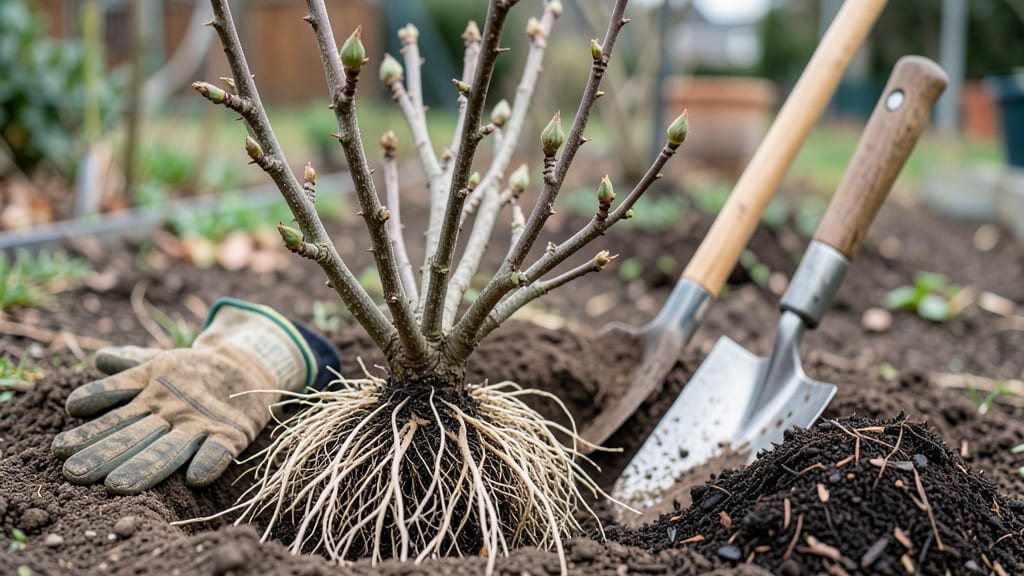
Timing when to plant bare root roses in California isn’t just about the calendar—it’s about dodging frost, soil temps, and regional quirks that can make or break your 🌹. Skip the wrong window, and you might end up with wilted stems or stunted growth before spring even arrives.
I’ve seen gardeners in coastal Zone 9b plant too early and watch their roses struggle in damp, chilly soil, while inland Zone 10a growers rush it and face heat stress by March.
The sweet spot? November through March, when roots wake up but the air stays cool enough to prevent shock.
What you’ll discover here is how to match your region’s microclimate—whether you’re in foggy San Francisco, sunbaked Palm Springs, or the Central Valley—to plant your roses at the exact moment they’ll thrive. No guesswork, just science-backed dates.
Ready to turn your garden into a blooming paradise? Let’s dive into the frost-free months that’ll give your roses the best possible start—because in California, timing really is everything.
California’s perfect bare root rose planting months by region (with frost-free guarantees)
California’s diverse climate means one planting window doesn’t fit all. Coastal gardeners enjoy year-round mild temps, while inland valleys face frost risks as early as December.
Desert regions? Almost frost-free year-round. Let’s break down the ideal planting months for your specific area to ensure your bare root roses thrive without winter damage.
Bare root roses love cooler weather—they’re dormant in winter and need time to establish roots before summer heat arrives. In California, this means planting between November and March, but your exact timing depends on your microclimate.
Coastal areas can plant later, while inland valleys should act fast before frost hits.
Here’s the critical rule: Plant 6-8 weeks before your region’s last expected frost. For coastal California (USDA Zones 9b-10a), that’s November through March.
Inland valleys (Zones 9a-10a) should aim for November to early January. Desert regions (Zones 10b-11) can plant year-round, but winter is still ideal.
If you’re in Northern California’s coastal areas, like San Francisco or Santa Barbara, you’re in luck—no frost means you can plant bare root roses as late as March.
But if you’re in Central Valley or the Sierra foothills, frost can arrive as early as December 15, so aim to plant by early January to avoid damage.
For Southern California desert regions, like Palm Springs or Joshua Tree, frost is rare, but summer heat can stress newly planted roses. Winter planting (November–March) gives them time to establish roots before the 100°F+ temps hit. Pro tip: Mulch heavily to retain moisture in sandy soils.
Timing isn’t just about frost—it’s also about soil temperature. Bare root roses need cooler soil (below 60°F) to wake up from dormancy. Inland valleys hit this mark by November, while coastal areas stay cool through March. Use a soil thermometer to check if you’re unsure.
One common mistake is waiting until spring to plant. By then, the roots are already active, and your roses will struggle to adapt to summer heat. Planting in winter gives them 3-4 months to establish before the blooming season kicks in.
Need a quick reference? Bookmark this: Northern Coast = Nov–Mar, Central Inland = Nov–Jan, Southern Desert = Year-round (but Nov–Mar is best). Now grab those bare root roses and get planting!
California’s perfect bare root rose planting months by region (with frost-free guarantees)
California’s diverse microclimates mean your bare root rose planting window varies wildly—from coastal fog in San Francisco to desert heat in Palm Springs. Planting too early in Zone 9b can leave roots waterlogged, while waiting too long in Zone 10a risks heat stress by March.
The key? Match your region’s last frost dates and soil temps.
Here’s the breakdown: Northern California (e.g., Sacramento) has last frost dates around February 15, while Southern California (e.g., Los Angeles) rarely sees frost. Coastal areas like San Diego can plant year-round, but inland valleys need to act by late January to avoid spring heat waves.
Let’s get into the exact months for your region.
| Region | USDA Zone | Ideal Planting Window | Last Frost Date | Key Consideration |
|---|---|---|---|---|
| Northern California (Sacramento, Redding) | 9a-9b | November 15 – February 15 | Mid-February | Soil temps must stay above 40°F. |
| Central California (San Francisco, Monterey) | 9b-10a | November 1 – March 15 | Rare (coastal fog protection) | Watch for chilly coastal winds. |
| Southern California (Los Angeles, San Diego) | 10a-11 | November 1 – April 1 | None (desert areas) | Avoid March heat stress. |
| Inland Valleys (Fresno, Bakersfield) | 9a-10a | December 1 – January 31 | Late January | Soil must be cool but not frozen. |
Pro tip: Use local frost data from the National Weather Service or Plant Maps app to fine-tune your timing. For example, San Francisco’s coastal fog delays soil warming, while Palm Springs’ desert heat means you can plant later.
Always check soil temperature—it should be above 40°F for roots to establish.
If you’re in Zone 10a or higher, you can even plant as late as early April, but avoid peak summer heat—your roses will thank you with healthier blooms next season.
The goal? Plant when roots wake up but the air stays cool enough to prevent shock. That’s the California secret to foolproof rose planting.
Once you’ve nailed the timing, the next step is soil prep—because even the best planting window won’t save you if your soil is compacted or nutrient-poor. We’ll cover that in the next section, including how to amend clay-heavy Northern California soil or drainage-challenged coastal gardens. 🌹