
Plants
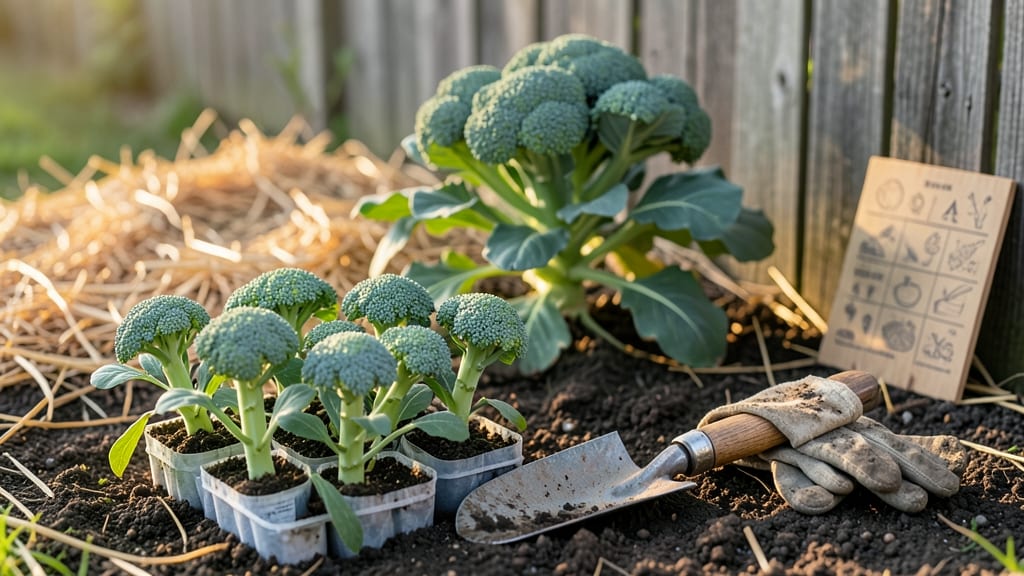
Planting broccoli in Northern California at the wrong time can turn your garden into a bitter disappointment—especially when those 🥦 crowns bolt before you even get to taste them.
The key to avoiding this is knowing the exact weeks before frost that work for your microclimate, whether you're in the foggy Bay Area or the hotter Sacramento Valley.
Most gardeners here make one of two mistakes: planting too early and risking frost damage, or too late and ending up with bitter, bolted heads.
But with the right timing—4-6 weeks before your last frost date—you can grow broccoli that’s sweet, tender, and ready to harvest just as the weather cools.
In this guide, I’ll break down the optimal planting windows for both spring and fall crops, plus how to adjust for coastal delays or inland heat. You’ll also learn which broccoli varieties thrive in Northern California’s climate and how to extend your harvest season with simple tricks.
Ready to grow broccoli that’s bold in flavor and bountiful in harvest? Let’s get started with the exact timing and techniques that actually work in your zone.
Northern California broccoli planting calendar: exact weeks before frost to avoid bolting
Northern California’s microclimates make broccoli planting a science—get the timing wrong, and you’ll face bolting (premature flowering) or stunted growth. The key? Planting 4-6 weeks before your last frost date in spring and August-September for fall harvests.
But since frost dates vary wildly—from February 15 in Sacramento to March 15 in the Bay Area—we’ll break it down by region to ensure zero risk of bolting.
Broccoli thrives in USDA Zones 7-10, but Northern California’s coastal fog and valley heat create distinct planting zones. For example, Santa Rosa’s cooler temps allow earlier spring plantings than Fresno’s scorching summers.
The goal? Start seeds indoors 6-8 weeks before transplanting or buy transplants from local nurseries in early spring/fall.
Here’s the golden rule: Broccoli needs 60-80 days of cool weather to mature. Plant too early, and frost will kill seedlings; too late, and heat stress triggers bolting. Use this planting calendar to align your schedule with Northern California’s frost-free windows.
For continuous harvests, use succession planting: Sow seeds every 2 weeks in spring and 3 weeks in fall. This ensures a steady supply of fresh broccoli without overwhelming your garden. Pro tip: Heat-tolerant varieties like 'Waltham 29' handle Central Valley summers better than standard types.
If you’re seed-starting indoors, begin 6-8 weeks before transplanting (e.g., January 15 for Bay Area, December 20 for Sacramento). Use grow lights to prevent leggy seedlings—broccoli needs 12-14 hours of light daily to stay compact. Harden off seedlings for 7-10 days before transplanting to avoid shock.
Northern California’s fall planting is trickier due to early frosts. Aim for August-September to give broccoli 60-80 days to mature before first frost. Use row covers to extend the season by 2-3 weeks if temperatures dip below 40°F.
In coastal areas, you can push fall plantings into early October thanks to milder nights.
One common mistake is planting broccoli in summer’s heat. Temperatures above 80°F cause bolting within 2 weeks. Instead, opt for heat-tolerant varieties like 'De Cicco' or 'Calabrese' if you must plant in late summer. Always mulch heavily to keep soil cool and moist.
For urban gardeners, container-growing works if you use 5-gallon pots and fertile potting mix. Water daily in summer and every 2-3 days in spring/fall. Containers dry out faster, so self-watering systems are a game-changer for consistent moisture—critical for preventing bolting.
Track your local frost dates using the Almanac’s Frost Calculator or ask your local Cooperative Extension office for hyper-local advice. In microclimates like Berkeley hills or Napa Valley, frost can arrive 2 weeks earlier than official dates.
Adjust your planting schedule accordingly to avoid wasted seeds or bolted plants.
5 Critical factors that determine your broccoli planting success in northern CA
Northern California’s microclimates create unique challenges for broccoli growers. While the Bay Area’s coastal fog might delay spring planting by 2-3 weeks, the Sacramento Valley’s heat can push fall crops into bolting territory if you’re not careful.
Understanding these 5 critical factors will help you adjust your timing and care for maximum success.
First, soil temperature is your biggest indicator. Broccoli seeds won’t sprout reliably below 40°F (4°C), and seedlings can suffer if soil stays below 50°F (10°C) for too long. In USDA Zones 8a-9b, this means waiting until mid-February for spring planting—even if your last frost is earlier.
🌱
Sprouting: 40°F+ (4°C+)
Seedling growth: 50°F+ (10°C+)
Bay Area: 2-3 week delay due to fog
Sacramento Valley: earlier planting but watch for heat stress
Drought stress = bolting risk
Morning watering prevents fungal diseases
Use floating row covers to push spring planting 2 weeks earlier or extend fall harvest 3 weeks later
Heat-tolerant: 'De Cicco' (70°F+)
Early-maturing: 'Waltham 29' (55 days)
Second, your location’s frost dates aren’t one-size-fits-all. The Bay Area’s last frost typically hits around March 15, while Sacramento sees it by February 28.
For fall crops, coastal areas can often push planting until September 15, whereas inland regions should start by August 20 to avoid heat stress.
Consistent watering schedules are non-negotiable—broccoli hates drought stress, which triggers bolting. Aim for 1-1.5 inches per week, delivered in the morning to reduce evaporation and fungal risks. In summer, you may need to water daily if your plants are in full sun.
For those who want to extend their season, floating row covers are a game-changer. They let you plant 2 weeks earlier in spring or 3 weeks later in fall while protecting seedlings from cold snaps. Just remove them when flowers appear to prevent heat buildup.
Finally, variety selection makes all the difference. Heat-tolerant varieties like 'De Cicco' can handle temperatures up to 85°F (29°C), while early-maturing types like 'Waltham 29' (ready in 55 days) are perfect for quick spring harvests before summer heat sets in.
✂️