
Plants
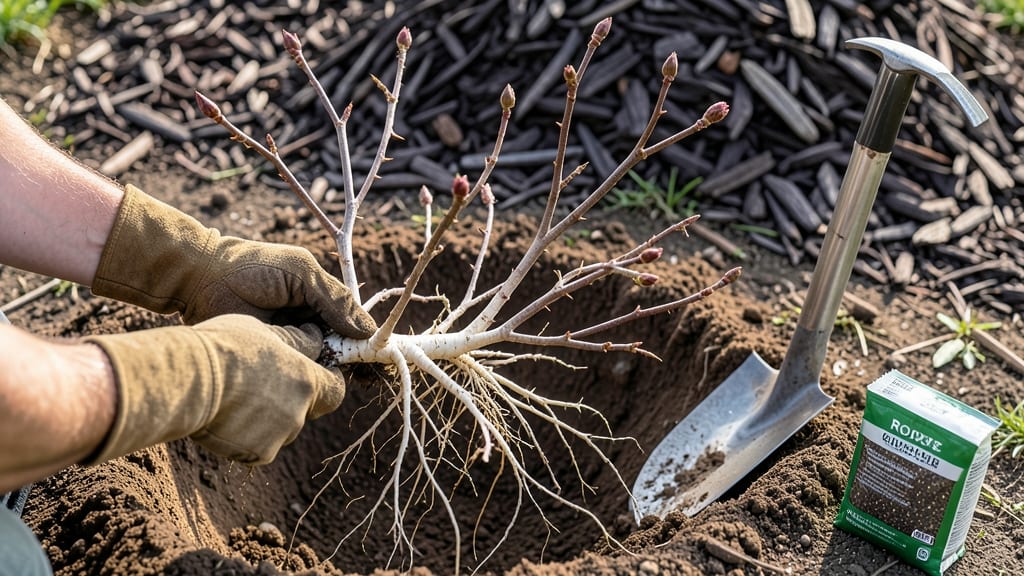
If you’ve ever wondered when to plant bare root roses in Zone 6, timing is everything—especially when it comes to those delicate roots settling before summer’s heat or winter’s frost.
Planting your 🌹 too early means risking frost damage, while waiting too long could leave your roses struggling to establish before the growing season winds down.
The key to success lies in those 4-6 weeks before your last expected frost, when soil temperatures are just right for roots to take hold. In Zone 6, that typically means late March or early April for spring plantings—or late September to early October for fall.
But don’t just guess: knowing your exact sub-zone (6a vs. 6b) can shift that window by weeks.
I’ve learned the hard way that rushing the process leads to weak stems and fewer blooms. The right timing isn’t just about avoiding frost—it’s about giving your roses the perfect head start.
Whether you’re a first-time gardener or a seasoned grower, mastering this window will make all the difference in how your 🌹 thrives.
Let’s break down exactly how to calculate your planting window, what to watch for in Zone 6’s unpredictable climate, and the simple steps to ensure your bare root roses grow into strong, blooming shrubs. Ready to get started?

Exact weeks before last frost to plant bare root roses in Zone 6
Timing your bare root rose planting in Zone 6 isn't just about avoiding frost—it's about aligning with the soil temperature and root establishment windows.
The optimal planting window is 4-6 weeks before your average last frost date, which typically lands in early spring (March-April) or early fall (September-October) for Zone 6 gardens.
For most of Zone 6a-6b, this means planting between March 15 and April 15 for spring, or September 15 and October 15 for fall.
These windows give your roses 6-8 weeks of root growth before summer heat or winter dormancy sets in—a critical factor for first-year survival and long-term vigor.
Here's the science behind the timing: Bare root roses need soil temperatures above 50°F (10°C) to resume active growth. In Zone 6, this usually happens 2-3 weeks after your last frost date.
Planting too early risks frost damage to tender new growth, while planting too late delays root establishment, leaving them vulnerable to summer heat stress.
To calculate your exact planting window, check your local last frost date (available through USDA frost maps or local cooperative extension services). For example, if your last frost is April 20, aim to plant by March 25 for spring.
This gives you a 4-week buffer before potential late frosts while ensuring roots establish before summer heat arrives.
Fall planting works because roses enter dormancy naturally before winter, but they still need 4-6 weeks of root growth before the ground freezes. Planting too late in fall (November or later) leaves them with insufficient root systems to survive winter desiccation—a common mistake in Zone 6 gardens.
Pro tip: Use a soil thermometer to verify temperatures. Ideal planting occurs when soil temps consistently stay above 50°F (10°C) during the day. In cooler microclimates within Zone 6, you may need to adjust your window 1-2 weeks later than the average dates provided.
Remember that container-grown roses have different timing needs—they can be planted 2-3 weeks later than bare root varieties since their roots aren't exposed. But for bare root roses, the 4-6 week window before last frost is non-negotiable for maximum success.
Once you've nailed the timing, the next critical factor is soil preparation. Roses thrive in well-draining, slightly acidic soil (pH 6.0-6.5). Amend your planting area with compost and organic matter 4-6 weeks before planting to give roots the best possible start.
Exact weeks before last frost to plant bare root roses in Zone 6
In Zone 6, the ideal window for planting bare root roses is 4-6 weeks before your last expected frost. This timing ensures roots establish before summer heat arrives.
For most of Zone 6, that means planting between late March and early April for spring or late September to early October for fall.
Zone 6 spans 6a and 6b, with average last frost dates ranging from April 1-15. Planting too early risks frost damage, while waiting too late can stunt root growth. Check your local USDA frost calendar—a 2-week difference can make all the difference in survival rates.
Soil temperature is critical. Bare root roses need 45-55°F soil temps to thrive. Use a soil thermometer to confirm—cold soil delays root establishment. In Zone 6, this typically aligns with late March to early April for spring plantings.
| Zone 6 Sub-Zone | Last Frost Date | Planting Window | Soil Temp Goal |
|---|---|---|---|
| 6a | April 1-15 | Late March–Early April | 45-55°F |
| 6b | April 15-30 | Early April–Mid-April | 45-55°F |
| Fall Planting | October 1-15 | Late September–Early October | 50-60°F |
Fall plantings in Zone 6 offer a second chance. Aim for 4-6 weeks before your first frost, typically late September to early October. Cooler fall temps help roots establish without summer stress. Just avoid planting when soil temps drop below 50°F—roots won’t activate in cold soil.
Pro tip: Use a frost-free date calculator (like the Old Farmer’s Almanac) to pinpoint your exact window. Even a 1-week delay can reduce blooms by 30% in the first year. Don’t guess—check local data to maximize success.
For Zone 6 gardeners, early April is the sweet spot for spring plantings. By then, frost risk drops, and soil warms enough for roots to take hold. Fall plantings should wrap up by early October to avoid winter dormancy stress.
Mark your calendar now—your roses will thank you with healthier stems and more blooms next season! 🌹