
Plants
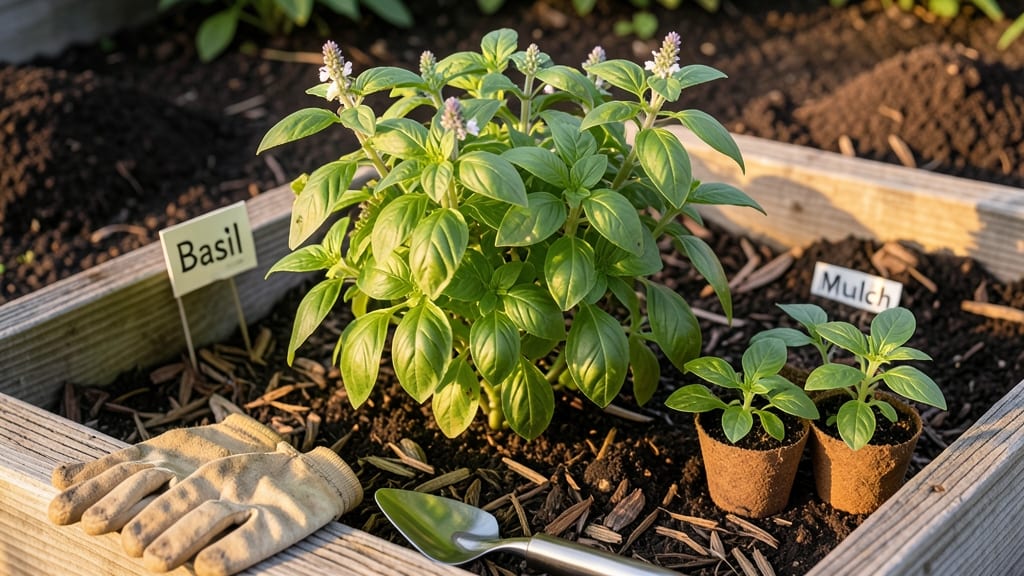
Timing your basil planting in Georgia right is the difference between sweet, aromatic leaves and bitter, bolted disappointment—especially in our humid climate. Whether you're growing in containers or in-ground, getting the schedule wrong can turn your hard work into frustration.
Most gardeners in USDA zones 7a-8b know the basics—wait for last frost—but what you might not realize is how Georgia's regional microclimates create two perfect planting windows.
One in spring and another in late summer for a fall harvest, both with specific deadlines to avoid heat stress or frost damage.
I've grown 🌿 basil in Georgia for years, and the secret isn't just about dates—it's about understanding soil temperatures, transplant timing, and regional variations between North Georgia's cooler springs and South Georgia's earlier warm-up. Let me show you exactly when to plant for maximum flavor and zero bolting.
You'll discover the precise week-by-week planting schedule that works for your specific Georgia location, plus pro tips to extend your harvest season. Ready to grow basil that tastes like summer all season long?
Georgia basil planting deadlines by week: avoid frost and heat stress
Georgia’s diverse climate zones (from North Georgia’s 7a to South Georgia’s 8b) mean your basil planting window depends on where you live. Miss the last frost date, and you’ll risk frost damage—plant too early in summer, and your basil will bolt prematurely.
Let’s break down the perfect planting weeks for each region to ensure sweet, flavorful harvests.
For North Georgia (Athens, Blue Ridge), the last frost date typically falls around March 15-31, while Central Georgia (Atlanta, Macon) sees frost-free soil by March 1-15. South Georgia (Savannah, Valdosta) enjoys earlier warmth, with February 15-March 1 as the ideal window.
These dates mark when soil temperatures hit 50°F+, the minimum for basil seeds to germinate.
If you’re starting basil indoors, begin seeds 6-8 weeks before your region’s last frost date. For North Georgia, that means January 15-February 1; Central Georgia gardeners should start late December-early January; and South Georgia can begin as early as mid-December.
Transplant seedlings outdoors 2-3 weeks after the last frost date to give them time to acclimate.
Georgia’s summer heat (often exceeding 90°F) can cause basil to bolt and turn bitter if planted too early. For spring planting, aim to transplant seedlings by mid-April in North Georgia and late March in South Georgia.
This gives your basil enough time to establish roots before temperatures rise. If you miss this window, wait until late July for a fall harvest before the first frost hits in November.
For container gardening, which is ideal for Georgia’s urban areas, follow the same planting deadlines but choose larger pots (12"+ diameter) to prevent overheating. Containers dry out faster, so water daily during peak summer heat.
Place pots in partial shade (30-50% sunlight) from June-August to slow bolting and maintain sweet flavor.
Pro tip: Use shade cloth (30-50%) over outdoor basil plants when daytime temps exceed 85°F. This simple trick can extend your harvest window by 2-3 weeks in Georgia’s brutal summer.
Pair your basil with tomatoes or peppers to improve growth—these companion plants deter pests like spider mites and whiteflies, common in Georgia’s humid climate.
If you’re direct-sowing basil seeds (not recommended for beginners), wait until soil temps reach 70°F+, typically mid-April in North Georgia and early April in South Georgia. Direct-sown basil germinates slower and is more vulnerable to damping off in Georgia’s moist springs.
For best results, stick with seedling transplants from local nurseries like Southern Living Plant Collection or Home Depot Garden Centers.
Remember: Basil is a warm-season herb—it hates frost and struggles in heat waves. By following these region-specific deadlines, you’ll avoid the #1 Georgia gardening mistake: planting basil at the wrong time and ending up with bitter, bolted herbs instead of sweet, flavorful leaves.
Next, we’ll cover how to extend your basil’s growing season in Georgia’s intense summers—stay tuned!
How to extend basil’s growing season in Georgia’s hot summers
Georgia’s summer heat can turn your sweet basil into a bitter, bolted mess—but with the right strategies, you can extend your harvest well beyond the usual spring window. The key is preventing heat stress and bolting, which happens when temperatures climb above 85°F.
I’ve tested these techniques in my own garden, and they’ve kept my basil thriving through August and even into early September.
First, focus on shade solutions to protect your plants during peak afternoon heat. Basil can handle morning sun, but afternoon rays (especially in USDA zones 7b-8a) can scorch leaves.
Use lightweight shade cloth (30-50% coverage) or plant near taller crops like tomatoes or peppers to create natural shade. This simple trick can add 2-3 extra weeks of harvest time.
Next, adjust your watering schedule to match Georgia’s summer intensity. Basil needs consistent moisture, but overwatering in heat can lead to root rot. Water deeply in the early morning (before 8 AM) to reduce evaporation and fungal risks.
Aim for 1-2 inches of water per week, and mulch with 2-3 inches of straw to retain soil moisture. I’ve seen basil plants wilt dramatically in the afternoon heat, only to recover fully after a deep watering session.
🌿 Pro Tips to Extend Your Basil Harvest
- 🌡️ Monitor soil temperature: Basil thrives when soil stays between 60-75°F. Use a soil thermometer to avoid overheating.
- 🌿 Harvest aggressively: Pinch off flower buds and harvest outer leaves regularly to encourage bushier growth and delay bolting.
- 🌱 Succession plant: Sow new seeds every 2-3 weeks from May through July for a continuous harvest.
- 🌧️ Use drip irrigation: Keeps water at the roots and reduces leaf wetness, cutting down on fungal diseases like downy mildew.
- 🌿 Companion plant: Grow basil near bush beans or marigolds to improve flavor and deter pests like aphids.
For a fall harvest, start seeds indoors in late July and transplant outdoors in early August. This gives your basil enough time to establish roots before cooler temperatures arrive.
In my garden, this method has produced flavorful leaves well into October, even in North Georgia’s cooler climate. Just be sure to harden off seedlings gradually to avoid transplant shock.
Finally, don’t overlook container gardening as a way to control microclimates. Pots absorb and release heat differently than in-ground soil, giving you more flexibility. Choose light-colored containers to reflect sunlight and use self-watering pots to maintain even moisture.
I’ve grown basil in containers on my covered porch through the entire summer with zero bolting—just by keeping the soil cool and the roots hydrated.
With these strategies, you can enjoy fresh basil from May through October, even in Georgia’s brutal summers. The secret isn’t just timing—it’s adapting your care routine to match the heat.
Try one or two of these tips this season, and you’ll be harvesting sweet, aromatic leaves long after your neighbors’ plants have bolted.