
Plants
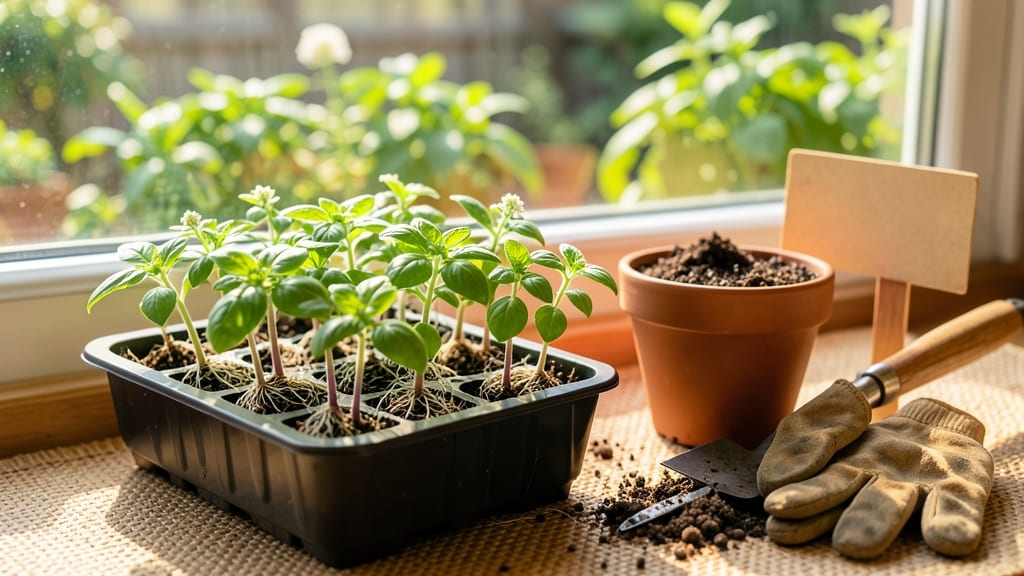
Timing your when to plant basil in Michigan perfectly means the difference between a thriving 🌿 herb garden and a bolted disappointment by summer. Michigan’s 5-6 USDA zones demand patience—plant too soon, and frost will kill tender seedlings; too late, and you’ll miss the peak harvest window.
The key lies in waiting until after your last frost date (typically mid-May to early June), when soil temperatures hit at least 50°F and stay warm. This heat-loving herb needs consistent warmth to grow strong, not just survive.
But here’s the secret Michigan gardeners use: start seedlings indoors 4-6 weeks before your last frost, then transplant them outdoors only after nighttime temperatures stay above 55°F. This two-step approach extends your growing season and ensures you’re ready to harvest by June.
Let’s break down exactly how to sync your basil planting with Michigan’s climate—so you can enjoy fresh, flavorful leaves from June through September without the risk of bolting.
Michigan basil planting zones: avoiding frost and bolt risks
Michigan’s USDA hardiness zones 5-7 create unique challenges for growing basil. This heat-loving herb thrives when soil temperatures stay above 50°F, but Michigan’s late spring frosts can devastate young plants.
Understanding your specific frost dates and heat accumulation is key to avoiding bolting (premature flowering) and maximizing your harvest.
Northern Michigan (Zones 5-6) typically sees its last frost between April 15 and May 15, while southern regions (Zone 7) may be frost-free by early April. However, soil temperature is more critical than air temperature—basil won’t germinate well below 50°F, even if the weather feels warm.
Heat accumulation (measured in GDD—Growing Degree Days) is another critical factor. Basil needs at least 700-1,000 GDD to mature, and Michigan’s short growing season demands precise timing. For example, Detroit’s average frost-free period is just 140-160 days, leaving little room for error.
For northern Michigan gardeners, waiting until mid-May ensures soil warmth and minimizes frost risk. In southern Michigan, you can start as early as late April, but monitor soil temperatures closely—basil seeds won’t germinate below 50°F, even if the air is warm.
Use a soil thermometer to confirm readiness. Aim for 60°F+ soil before planting, as cooler temperatures slow growth and increase susceptibility to damping off (a fungal disease that kills seedlings). If your soil is still cold, opt for container gardening with black pots to absorb and retain heat.
Another trick is to use row covers or cold frames to create a microclimate. These can raise soil temperatures by 5-10°F, accelerating growth and giving you an earlier start. Just
Basil’s ideal growing temperature is between 70°F and 85°F. In Michigan’s summer heat, temperatures above 90°F can cause the plant to bolt prematurely. To mitigate this, provide afternoon shade during heatwaves and keep soil consistently moist to reduce stress.
Pro tip: Plant basil near tall plants like tomatoes to create natural shade during peak afternoon sun. This companion planting strategy also deters pests like whiteflies, which are attracted to basil’s scent.
Finally, keep an eye on your local weather forecasts. Michigan’s lake-effect weather can bring sudden temperature drops, even in summer. If a cold snap is predicted, cover your basil with a lightweight row cover or move containers to a sheltered spot.
Step-by-step basil planting schedule for Michigan’s climate
Michigan’s short growing season means every week counts when planting basil. Start by marking your calendar for mid-May to early June, when soil temperatures consistently stay above 50°F and nighttime temps hover near 55°F.
This is your safe planting window to avoid frost damage while ensuring your basil thrives.
For gardeners eager to jumpstart their harvest, begin with indoor seedlings 4-6 weeks before your last frost date. Use grow lights or a sunny windowsill to keep seedlings healthy until they’re ready for transplanting. This head start gives you a 30-day advantage over direct sowing outdoors.
Here’s your month-by-month action plan to plant basil in Michigan like a pro:
Start seeds indoors under grow lights or in a south-facing window. Use seed-starting mix and keep soil moist but not soggy. Ideal germination temp: 70-75°F.
1-2 weeks before transplanting, move seedlings outdoors for 2-3 hours daily. Gradually increase exposure to acclimate them to Michigan’s wind and sun.
After last frost, transplant seedlings 12-18 inches apart in well-draining soil with full sun exposure. Water thoroughly to settle roots.
If starting from scratch, sow seeds 1/4-inch deep in warm soil after May 15. Use row covers to protect young plants from late frosts.
Pair basil with tomatoes, peppers, or oregano to improve growth. Avoid planting near rue or fennel, which stunt basil’s growth.
Pro tip: Use black plastic mulch to warm soil faster and retain moisture, giving your basil a 2-week growth boost in Michigan’s cooler climate. This simple trick can mean the difference between a bountiful harvest and a struggling plant.
Remember, basil’s harvest window starts around 45 days after transplanting. By following this schedule, you’ll be snipping fresh leaves by early July—just in time for summer salads and pesto! 🌿