
Plants
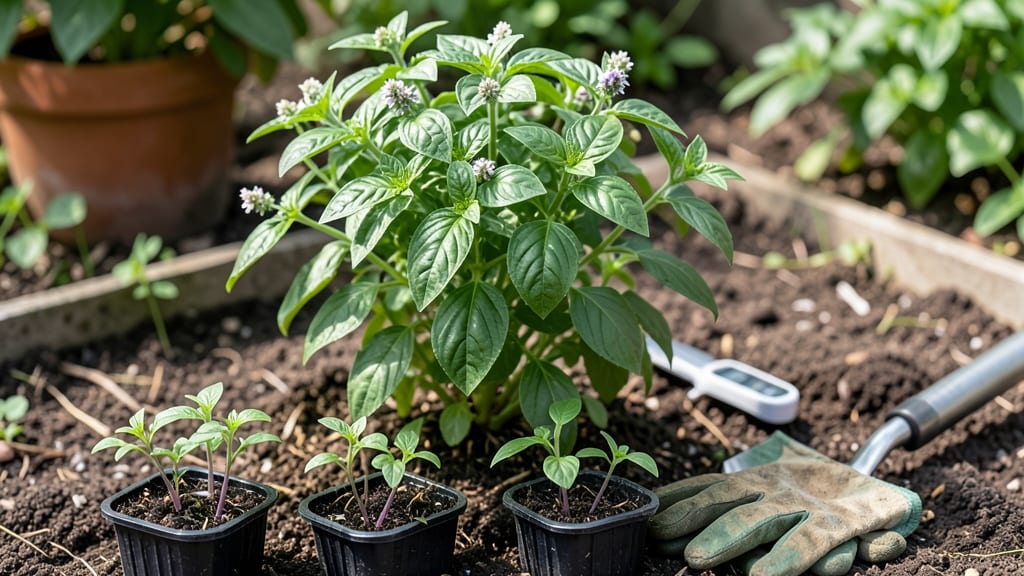
Timing your basil planting in North Carolina could mean the difference between fragrant, flavorful harvests and bitter, bolted disappointment. With USDA zones 7a-8b and unpredictable spring nights, getting those seedlings in the ground at just the right moment is everything.
You’ve probably heard that basil loves heat, but did you know that planting too early in North Carolina’s cooler zones can trigger bolting—when your plant suddenly flowers and turns bitter?
The key is waiting until after the last frost, typically around March 15, when soil temperatures hit at least 50°F. But here’s the catch: coastal areas and Piedmont regions have slightly different microclimates, so we’ll break down exactly when to plant for your specific zone.
Whether you’re starting seeds indoors or transplanting young plants, this guide will help you avoid common mistakes and maximize your harvest from June through October. Let’s dive into the heat-zone start dates that’ll keep your basil thriving all season long.
From hardening off seedlings to protecting them from late spring frosts, we’ll cover all the strategies you need to grow basil that’s sweet, tender, and ready for your favorite recipes. Ready to turn your garden into a flavor factory?
North Carolina basil planting calendar: exact heat-Zone start dates by region
Timing your basil planting in North Carolina hinges on understanding USDA zones 6-8 and regional microclimates.
The Piedmont and Coastal Plain have different frost-free windows, so I’ll break it down by zone to help you avoid bolting or stunted growth. Last frost dates typically range from late March to early April, but soil temperature matters more than air temperature—wait until soil reaches 50°F (10°C).
For Zone 7a (Western NC), like Asheville, aim to plant basil after April 15 to avoid late spring frosts.
In Zone 8a (Coastal NC), such as Wilmington, you can start as early as March 20, but protect seedlings with frost cloths until nighttime temperatures stabilize above 55°F (13°C). Mountain regions (Zone 6b) should delay until May 1 to ensure safety.
Here’s how to match your location to the perfect planting window:
| Region | USDA Zone | Last Frost Date | Ideal Planting Window | Soil Temp Threshold |
|---|---|---|---|---|
| Western NC (Asheville) | 6b | April 20 | May 1 - May 15 | 50°F (10°C) |
| Piedmont (Raleigh) | 7a | March 25 | April 10 - April 30 | 50°F (10°C) |
| Coastal Plain (Wilmington) | 8a | March 15 | March 20 - April 15 | 55°F (13°C) |
| Eastern NC (Greenville) | 7b | March 20 | April 1 - April 20 | 52°F (11°C) |
If you’re growing basil for a long harvest season, consider a fall planting between August 1 and September 15. This works especially well in Zone 8a, where cooler autumn temperatures prevent bolting.
For container gardening, you can extend the season by moving pots indoors before the first frost.
Pro tip: Use a soil thermometer to confirm readiness—basil roots struggle in cold soil, even if daytime temps feel warm. I’ve seen seedlings wilt overnight when soil was only 48°F (9°C), so don’t rush!
For coastal areas, humidity can delay germination, so I recommend starting seeds indoors 6-8 weeks before your target outdoor date. In drier Piedmont regions, direct sowing after the last frost often works better due to faster soil warming.
Remember, microclimates matter. A south-facing slope warms up faster than a shady valley, so adjust your planting timeline accordingly. If you’re unsure, err on the side of waiting 1-2 weeks—basil recovers poorly from cold stress.
Once your seedlings are hardened off, watch for 6+ hours of sunlight daily—this is non-negotiable for sweet, flavorful leaves. Without enough light, your basil will bolt prematurely, turning bitter and woody.
🌱
How to avoid basil bolting in NC’s unpredictable spring weather
North Carolina’s spring weather is famously fickle—one night’s frost can turn your tender basil seedlings into sad, crispy snacks. Bolting (when basil prematurely flowers and turns bitter) is a common problem here, but with the right tactics, you can keep your plants happy and productive.
The key is protecting your basil from temperature swings and cold soil, which trigger bolting faster than a Piedmont thunderstorm.
Start by hardening off seedlings indoors before transplanting. This means exposing them to outdoor conditions gradually—begin with 1-2 hours per day in a sheltered spot, then increase over 7-10 days. Skip this step, and your basil will shock like a tourist caught in a Raleigh rainstorm.
Use a row cover or frost cloth during the day for extra protection while they adjust.
🚨 CRITICAL WARNING: Basil bolts when soil temperatures dip below 50°F (10°C). In NC’s Piedmont region, this can happen well after the last frost date—sometimes as late as mid-April.
Use a soil thermometer to check temperatures before planting. If it’s too cold, wait or use black plastic mulch to warm the soil faster.
⚠️ Bolting Triggers in NC:
- Cold nights: Below 55°F (13°C) stresses plants
- Long daylight hours: NC’s 14+ hour days in June accelerate bolting
- Drought stress: Wilting basil bolts faster than hydrated plants
- Overcrowding: Competing for nutrients speeds up maturity
💡 Pro Tip: If your basil starts bolting, harvest leaves aggressively to redirect energy to growth instead of flowers.
For an extra layer of defense, plant basil in containers that you can move indoors during cold snaps. A sunny windowsill or under grow lights works well until outdoor temperatures stabilize.
If you’re planting in the ground, choose a sheltered spot near a south-facing wall or fence—these areas warm up faster and offer wind protection.
Finally, pinch back the tips of your basil plants when they reach 6 inches tall. This encourages bushier growth and delays flowering. Repeat every 2-3 weeks during the growing season. Think of it like pruning your expectations—less bolting, more flavorful leaves!
With these strategies, you’ll beat NC’s unpredictable spring weather and enjoy fresh basil from June through October. Just remember: patience and protection are your best tools against bolting. Happy gardening! 🌱