
Plants
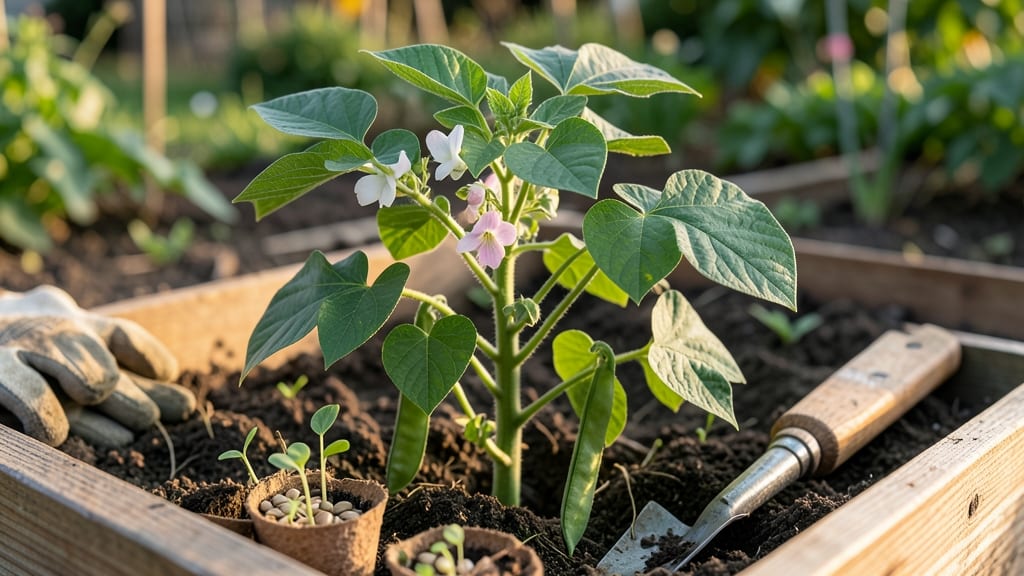
Timing your beans planting in Kentucky isn’t just about the calendar—it’s about beating frost, embracing heat, and unlocking a harvest that tastes fresher than anything from the store. Miss the window by even a few weeks, and you’re either battling late frosts or watching seedlings wilt under summer’s intensity.
The right moment means the difference between a garden overflowing with crisp, tender pods and a patch of struggling plants.
For Kentucky’s 6a-7a zones, the sweet spot is April 15–May 15 for spring plantings, when soil temperatures finally hit that magic 60°F threshold. But don’t overlook fall—August 1–September 1 offers a second chance for a late-season harvest before the first frost sneaks in around November.
Whether you’re growing bush beans for quick pickings or pole varieties for a steady supply, getting this timing right is the key to a thriving 🌱 garden.
I’ve seen firsthand how a few extra days of cool soil can stall growth, while planting too late leaves beans struggling in the heat. The solution?
Pay attention to your local frost dates, adjust for microclimates (urban areas warm up faster than rural spots), and choose heat-tolerant varieties like ‘Kentucky Wonder’ or ‘Blue Lake’ that won’t bolt in Kentucky’s summer swelter.
Let’s break down exactly how to nail those planting windows—and keep your beans happy from seed to harvest.
From soil prep to spacing secrets, I’ll walk you through every step to turn your Kentucky garden into a bean bonanza. You’ll learn when to plant, how deep to bury those seeds, and even which plants to pair with beans for a pest-free, high-yielding patch.
Ready to grow beans that outperform store-bought any day? Let’s get started.
Kentucky bean planting calendar: last frost dates and heat-tolerant varieties
Kentucky’s USDA zones 6a-7a create a unique growing climate where beans thrive with the right timing. The last spring frost typically arrives between late March and early April, but soil temperature is the real game-changer—wait until it reaches 60°F before planting.
This usually lands in mid-April to early May for most regions, though northern Kentucky may need to wait until May 15.
For a fall harvest, aim for late July to early August plantings, giving beans 60-80 days to mature before the first frost in late October to early November.
This extended growing window lets you enjoy fresh beans well into autumn, provided you choose heat-tolerant varieties that handle Kentucky’s summer humidity.
Here’s how to align your planting with Kentucky’s climate zones and frost-free periods:
| Planting Window | Soil Temp Requirement | Heat-Tolerant Varieties | Frost Risk |
|---|---|---|---|
| April 15–May 15 | 60°F+ | Kentucky Wonder, Blue Lake | Low (after last frost) |
| August 1–September 1 | 60°F+ | Roma, Contender | Moderate (fall frost) |
| Late July (northern KY) | 65°F+ | Rattlesnake (pole beans) | High (early frost) |
Kentucky’s humidity and summer heat demand heat-tolerant varieties like Kentucky Wonder or Blue Lake, which handle temperatures up to 90°F without stress. For pole beans, Rattlesnake is a top pick—its vines thrive in Kentucky’s long, hot summers, producing beans well into August if planted early.
If you’re in northern Kentucky (zone 6a), prioritize fast-maturing varieties like Contender (55 days to harvest) to avoid early fall frosts. Southern Kentucky gardeners (zone 7a) have more flexibility, but even there, succession planting every 2-3 weeks ensures a steady supply from June through October.
Pro tip: Use a soil thermometer to confirm 60°F soil temps before planting—cold soil delays germination. In urban areas, microclimates near buildings or pavement may warm up faster, allowing earlier plantings. Always monitor local frost forecasts via the National Weather Service for your county.
For fall plantings, aim to harvest before October 15 in most of Kentucky. If you push it later, use row covers to extend the season by 2-3 weeks, protecting tender pods from light frosts (28°F).
Just remember: beans won’t tolerate frost, so time your last planting to finish harvesting before November 1.
My personal favorite for Kentucky gardens is Blue Lake beans—they’re disease-resistant, produce heavy yields, and handle humidity better than most varieties. Pair them with pole bean trellises to save space in small gardens and maximize your harvest.
🌱
How to adjust planting times for Kentucky’s microclimates and soil conditions
Kentucky’s diverse climate—from humid river valleys to cooler mountain regions—means one-size-fits-all planting dates won’t work for beans. Urban gardens in Louisville may have earlier last frost dates than rural areas in Eastern Kentucky, so adjust your schedule accordingly. Always check your local USDA zone (6a-7a) for precise timing.
Soil temperature is critical: beans need soil at least 60°F to germinate. Use a soil thermometer to verify—planting too early in cool soil leads to poor germination and stunted growth. In cooler microclimates, wait until late May or even early June to ensure success.
For urban gardeners with limited space, consider container planting or raised beds, which warm up faster than in-ground soil. Add black plastic mulch or straw to raise soil temperature by 5–10°F, helping beans establish faster in cooler areas.
In sandy soils, water more frequently to prevent drying out, while clay soils may need amending with compost to improve drainage. Test your soil’s pH—beans prefer 6.0–7.0. If your soil is too acidic, add lime before planting.
Extend your growing season with row covers or cold frames to plant beans 2–3 weeks earlier in spring or 2 weeks later in fall. This is especially useful in Zone 6a areas where frost lingers longer.
Finally, monitor your local weather forecasts for heatwaves. If temperatures exceed 90°F during flowering, beans may fail to set pods. Provide afternoon shade with shade cloth or plant heat-tolerant varieties like 'Roma' or 'Kentucky Wonder'.