
Plants
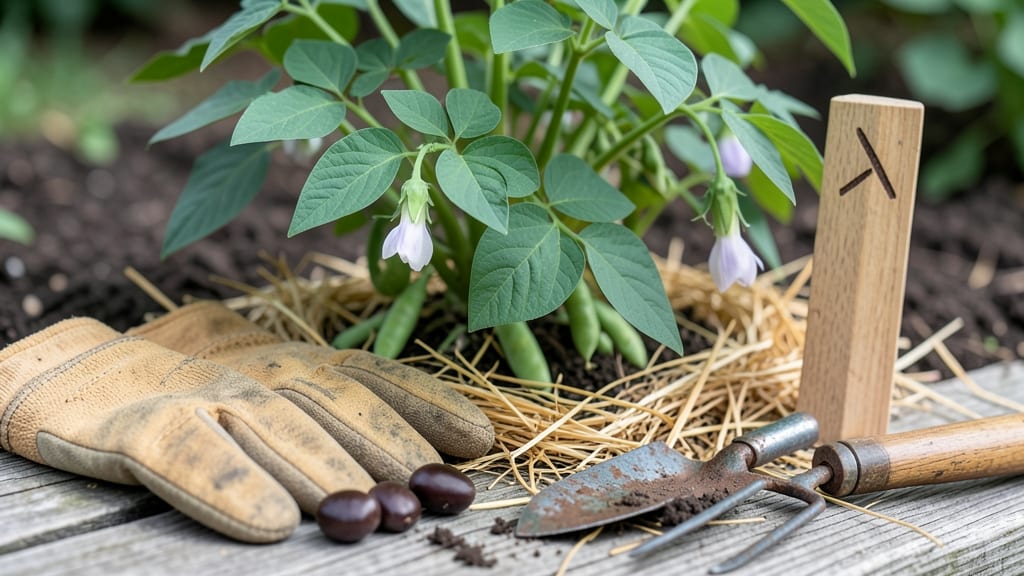
If you're wondering when to plant beans in Seattle, timing is everything—because those cool, damp springs can turn your eager seedlings into sad, soggy messes. The key isn't just avoiding frost; it's picking heat-tolerant varieties that thrive in Seattle's short, unpredictable summers.
Most gardeners here swear by planting between April 15 and June 15, when soil temperatures finally hit that magic 60°F threshold. But with Seattle's microclimates—like the warmer Eastside versus the cooler Puget Sound—your exact window might shift by a week or two.
I've tested bush and pole beans in both zones, and the difference in harvest success is night and day. The right variety paired with proper soil prep means you could be picking fresh pods as early as July—or even stretching into September with a few tricks.
Let me walk you through the exact steps to time your planting, choose the best beans for Seattle's climate, and keep your harvest going longer than the typical 60-day window. Your garden (and taste buds) will thank you.
Seattle’s best bean planting timeline: frost dates and heat zones
Seattle’s cool, wet springs and short growing season demand precise timing for planting beans. The last average frost date in Seattle is around March 15, but soil warmth is just as critical.
Beans need soil temperatures of at least 60°F (15.5°C) to germinate properly—something that typically happens by mid-April in most areas.
However, Seattle’s microclimates create variations. Areas like Ballard or West Seattle near Puget Sound may warm up 1-2 weeks earlier than inland spots like Redmond or Kenmore. Always check your local USDA Zone 8a/b guidelines and monitor soil temps with a soil thermometer before planting.
For bush beans, aim to plant between April 15 and May 15.
These varieties mature quickly (about 50-60 days) and can tolerate cooler temperatures better than pole beans. Pole beans, which take longer to produce (around 60-75 days), should go in the ground by May 1 to ensure they have enough time to mature before first frost (November 15).
Pro Tip: If you’re in a cooler microclimate, consider starting seeds indoors 4-6 weeks before your target outdoor planting date. This gives seedlings a head start and extends your growing window.
Here’s a quick reference for Seattle’s planting windows based on bean type and local conditions:
| Bean Type | Ideal Planting Window | Soil Temp Requirement | Days to Maturity | Notes |
|---|---|---|---|---|
| Bush Beans (e.g., Blue Lake) | April 15 – May 15 | 60°F+ (15.5°C+) | 50–60 days | Tolerates cooler temps; great for succession planting. |
| Pole Beans (e.g., Rattlesnake) | May 1 – June 1 | 65°F+ (18°C+) | 60–75 days | Needs warm soil; provide trellis for vertical growth. |
| Dwarf Beans (e.g., Contender) | April 1 – May 10 | 55°F+ (13°C+) | 45–55 days | Compact; ideal for containers or small gardens. |
Avoid planting beans too early—cold soil can cause seeds to rot, while planting too late risks immature harvests before frost. For Puget Sound areas, you might squeeze in a second planting of bush beans around June 15 if you’re aiming for a late-summer harvest.
Just be prepared to protect them with row covers if cooler weather arrives early.
Always test your soil’s pH (6.0–7.0 is ideal) and amend with compost or aged manure before planting. Beans are nitrogen-fixers, so they don’t need heavy fertilization, but a light 5-10-10 fertilizer at planting can boost early growth.
Monitor your garden’s microclimate—even a south-facing wall or black mulch can warm soil faster. In Eastside Seattle, where summers are hotter, you might push pole beans into early June, but always have a backup plan for unexpected rain or chill.
Finally, keep an eye on local weather forecasts in late summer. If a cold snap is predicted, use frost blankets to protect maturing plants. With the right timing, you can enjoy fresh beans from July through September—just in time for Seattle’s famous harvest festivals!
Top heat-tolerant bean varieties for Seattle’s short summer
Seattle’s cool, damp summers can challenge even the hardiest bean plants, but the right heat-tolerant varieties thrive in our USDA Zone 8a/b climate. I’ve grown these top 5 varieties successfully in my own garden, and they consistently deliver sweet, abundant harvests despite our unpredictable weather.
For bush beans, I recommend starting with ‘Blue Lake’—its smooth, tender pods mature in just 50-55 days, perfect for Seattle’s short growing season. Another favorite is ‘Kentucky Wonder’, which handles mild heat waves better than most varieties and produces heavy yields even in partial shade.
Pole beans are ideal for small spaces or trellises, and ‘Rattlesnake’ is my go-to—its drought-resistant roots and 6-foot vines make it perfect for Seattle’s occasional dry spells. If you love ornamental value, ‘Scarlet Runner’ doubles as a beautiful flowering vine while producing edible beans.
For drought-tolerant options, try ‘Contender’—it matures in 50 days and handles cooler temperatures better than most varieties. Local gardener Maria from West Seattle swears by it, saying it’s her most reliable producer year after year.
🌱 Best Bean Varieties for Seattle
Blue Lake
✅ Pros:
- Fast-growing (50-55 days)
- Sweet, tender pods
- Bush type (no trellis needed)
❌ Cons: - Needs consistent watering
Kentucky Wonder
✅ Pros:
- Heat-tolerant
- Heavy producer
- Good for partial shade
❌ Cons: - Tall (needs support)
Rattlesnake
✅ Pros:
- Drought-resistant
- 6-foot vines (great for trellis)
- Long harvest window
❌ Cons: - Needs trellis space
Scarlet Runner
✅ Pros:
- Ornamental flowers
- Heat-loving
- Unique flavor
❌ Cons: - Slower to mature (70+ days)
Contender
✅ Pros:
- Drought-tolerant
- Fast (50 days)
- Cool-season friendly
❌ Cons: - Smaller pods
When selecting seeds, always check the days-to-maturity label—stick to varieties that promise harvests within 55-60 days to beat Seattle’s first frost in mid-November. I’ve also found that organic, non-GMO seeds from local nurseries like Seattle Tilth adapt better to our climate.
For container gardening, opt for bush varieties like ‘Blue Lake’—they thrive in 5-gallon pots with proper drainage. If you’re using raised beds, mix in compost and aged manure to give your beans a nutrient boost, especially in cooler microclimates like the Eastside.
Pro tip: Save seeds from your best-performing plants! Dry and store them in a cool, dark place, and you’ll have free, climate-adapted seeds for next year’s garden. Happy planting! 🌱