
Plants
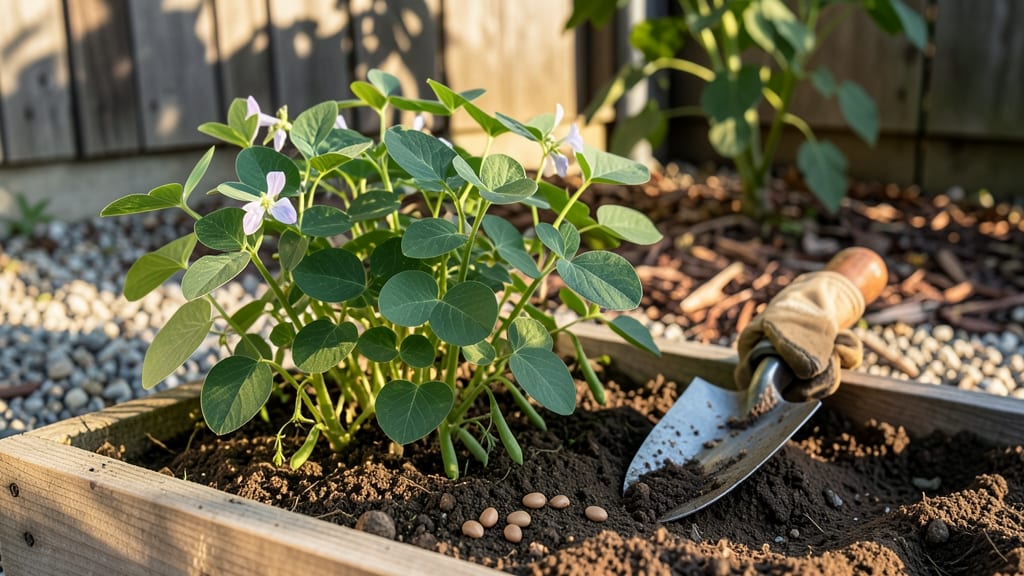
Timing your bean planting in Massachusetts can make or break your harvest—get it wrong, and you'll be fighting cool soil or late-season heat instead of enjoying fresh 🌱 pods from your garden.
With the state's 5b-6b climate zones, the window for planting beans opens around April 15 and closes by June 1, but there's more to it than just dates. Soil temperature plays the biggest role, and waiting until the ground reaches 60°F ensures strong germination.
I've learned the hard way that rushing beans into cold soil leads to weak plants that struggle to produce. The key is understanding your specific region—coastal areas warm up faster than inland spots—and adjusting your planting schedule accordingly.
In this guide, I'll break down exactly when to plant for your part of Massachusetts, how to test soil warmth, and which varieties thrive in our short growing season. Let's get those beans in the ground at the perfect moment for maximum yield.
Massachusetts soil temperature guide for planting beans (with exact degrees)
Beans are finicky about soil temperature—they won’t germinate until the ground warms to 60°F (15°C), and ideal conditions hover around 70-75°F (21-24°C). In Massachusetts, where frost dates vary wildly by region, timing your planting to match soil warmth is the key to success.
Coastal areas like Barnstable may hit these temps by mid-May, while inland zones like Pittsfield often wait until early June.
Cold soil delays germination, leaving seeds vulnerable to rot. If you plant too early, your beans might sprout slowly or not at all—wasting seeds and your time. I’ve learned the hard way that rushing the process leads to patchy growth and stunted plants.
The solution? Test your soil before planting to ensure it’s ready for those little seeds.
Here’s how to check soil temperature: Use a soil thermometer (just $10 at garden centers) and take readings at 2-inch depth in the morning. Aim for 60°F+ consistently for 3-5 days before planting.
If your soil is cooler, wait—beans won’t forgive you for planting too soon. Patience here means healthier plants and a better harvest.
🌱 Massachusetts Bean Planting Soil Conditions
| Region | Average Last Frost | Ideal Planting Soil Temp | Expected Ready Date |
|---|---|---|---|
| Coastal (e.g., Boston, Cape Cod) | April 15-May 1 | 60-70°F (May 15-June 1) | Mid-May to early June |
| Central (e.g., Worcester, Springfield) | May 1-15 | 65-75°F (May 30-June 15) | Late May to early June |
| Western (e.g., Pittsfield, Amherst) | May 15-30 | 70°F+ (June 1-15) | Early to mid-June |
💡 Pro Tip: Use black plastic mulch 2 weeks before planting to warm soil faster.
If your soil isn’t warm enough by your region’s typical planting window, consider starting beans indoors 2-3 weeks before the last frost. Use biodegradable pots and transplant seedlings when soil temps hit 60°F.
This trick extends your growing season by 2-3 weeks, giving you an earlier harvest. I’ve had great success with bush beans this way, especially in cooler years.
Another trick? Plant warm-season cover crops like buckwheat in early spring to naturally heat the soil. By late May, the ground will be primed and ready for beans. Just avoid planting cover crops too close to your bean patch—give them 4-6 weeks to decompose before sowing seeds.
For pole beans, which take longer to mature, aim for the earliest possible planting date in your zone. These varieties need 80-90 days to harvest, so late plantings risk running out of season.
In Western MA, I’ve had luck with Kentucky Wonder beans when planted by May 20th, but Coastal gardeners can start as early as May 1st.
Don’t forget: Evening soil temperatures matter too. If nights stay below 50°F (10°C), beans may struggle to germinate. Use a minimum-maximum thermometer to track nighttime temps—this helps you predict whether your soil will warm up quickly enough.
In my garden, I’ve seen 3-5°F differences between day and night temps in May, which can delay planting by a full week.
One final tip: Amend your soil with compost or well-rotted manure before planting. Beans prefer loamy, well-draining soil with a pH of 6.0-7.0. If your soil is heavy clay or sandy, mix in 2-3 inches of compost to improve warmth retention and drainage.
This small step can make a huge difference in germination rates.
Remember, beans are sensitive to cold soil, but with the right prep, you can push your planting window just a little earlier. Test your soil, monitor temps, and don’t rush—your future harvest depends on it! 🌱
3-Week planting window for Massachusetts: when to start based on last frost dates
Massachusetts’ last frost dates vary dramatically by region, so your 3-week planting window depends on whether you're in Coastal MA, Central MA, or Western MA.
Coastal areas like Cape Cod and the South Shore often see their last frost by April 15, while inland spots like Worcester or Springfield may not reach safe planting until May 1.
This regional shift means your window could open as early as mid-May or as late as early June.
To pinpoint your exact window, check your local USDA zone (5b-6b) and add 2 weeks after the average last frost date. For example, if your area’s last frost is April 30, aim to plant by May 15.
This buffer ensures young seedlings aren’t caught in a surprise cold snap, which beans cannot tolerate.
Here’s the breakdown by region: - Coastal MA (Zones 6a-6b): Plant from May 15–June 15 - Central MA (Zones 5b-6a): Plant from May 1–June 1 - Western MA (Zones 5a-5b): Plant from May 15–June 1 These dates align with when soil typically hits the 60°F minimum for germination.
| Region | Last Frost Date | Planting Window | Soil Temp Check |
|---|---|---|---|
| Coastal MA | April 15 | May 15–June 15 | 60°F+ by May 1 |
| Central MA | April 30 | May 1–June 1 | 60°F+ by May 10 |
| Western MA | May 1 | May 15–June 1 | 60°F+ by May 15 |
If you’re unsure about your exact frost date, use row covers to extend your window by 2-3 weeks. These lightweight fabrics trap heat and protect seedlings from late frosts, letting you plant as early as April 20 in Coastal areas. Just
For a second crop, try succession planting every 2 weeks until June 15. This staggered approach ensures a steady supply of fresh pods all summer. I’ve found that planting bush beans (like ‘Blue Lake’) early and pole beans (like ‘Kentucky Wonder’) later maximizes my harvest window.
Pro tip: Monitor your local Almanac frost predictions—they’re updated annually and account for climate shifts. Last year, my Western MA garden saw its last frost 10 days later than average, so I delayed planting until May 25 to avoid frost damage.
🌱