
Plants
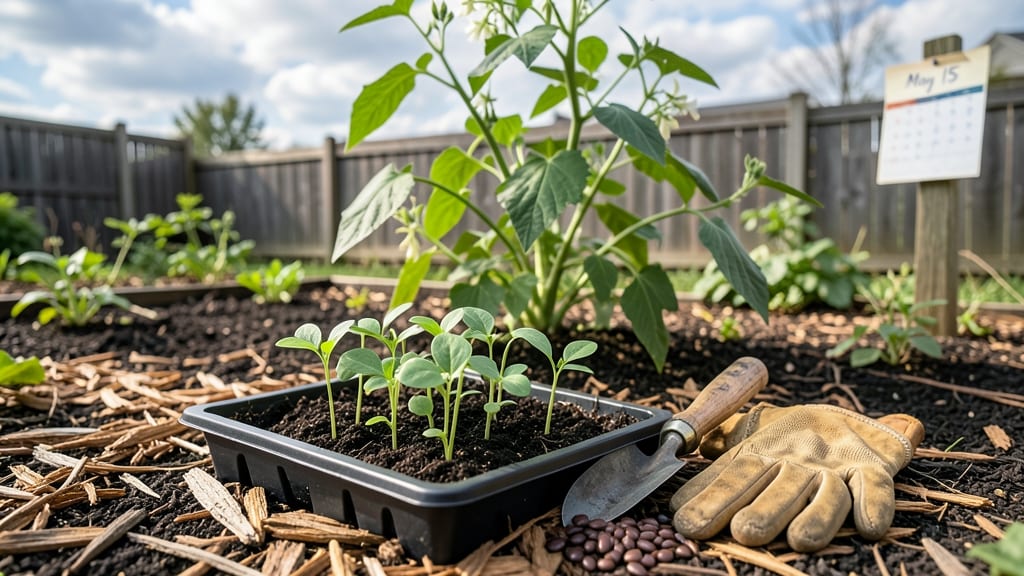
Timing your bean planting in Virginia isn't just about tossing seeds into the dirt—it's the key to unlocking a garden full of 🌱 crisp, homegrown pods.
Get the schedule right, and you'll enjoy fresh harvests from June through October; miss the window, and you might end up with leggy plants or pest magnets.
With Virginia's USDA zones 6a-7b offering a mix of coastal and inland microclimates, knowing when to plant beans after the last frost (typically around April 1) makes all the difference.
Whether you're growing bush beans that mature in 55 days or pole beans that climb all summer, precise timing ensures your plants thrive—not just survive.
I'll show you exactly how to calculate your perfect planting window, from soil temperature checks to adjusting for your specific corner of the state. Plus, you'll discover which bean varieties perform best in Virginia's short vs. long growing seasons.
Ready to transform your garden into a bean bonanza? Let's dive into the exact weeks before last frost that will set you up for success—no guesswork required.
Virginia bean planting schedule by variety: weeks before last frost
Timing your bean planting in Virginia depends on the variety and your USDA zone.
Most gardeners in Zones 6a-7b aim to plant 4-6 weeks before the last frost, but exact dates shift based on whether you’re growing bush beans, pole beans, or specialty types like lima beans.
Coastal areas (e.g., Norfolk) can plant slightly earlier than inland regions (e.g., Roanoke) due to milder microclimates.
For bush beans, the sweet spot is April 15–May 15, while pole beans—which need more time to mature—should go in May 1–June 1. Lima beans, heat-lovers all, wait until June 1–July 1 when soil temps hit 70°F+.
Missing these windows risks stunted growth or pest pressure from early planting, or overripe pods if planted too late.
Virginia’s last frost typically lands around April 1, but soil temperature is the real gatekeeper. Beans need 60°F+ soil to germinate—colder soils delay sprouting or cause rot. Use a soil thermometer to confirm readiness, especially in Zone 6a (northern VA), where frost lingers longer.
If you’re in Zone 7b (southern VA), you can push planting to June 15 for late-season varieties, but prioritize pole beans or lima beans to avoid harvests clashing with fall frosts (usually November 1). For coastal Virginia, where springs are milder, start 2 weeks earlier than inland zones.
Pro tip: Succession planting every 2 weeks after your initial date ensures a continuous harvest. For example, plant bush beans on April 15, then again on May 1 and May 15 to stretch your yield through July.
This works especially well for pole beans, which produce for 60+ days if trellised properly.
Watch for soil moisture after planting—beans need 1 inch of water weekly, but overwatering can drown seeds. Mulch with straw to retain moisture and suppress weeds, which compete for nutrients. In dry years, drip irrigation is a game-changer for consistent growth.
For container gardening, use 5-gallon pots and plant bush beans in late April to avoid root-bound stress. Pole beans need 10-gallon pots and a trellis to climb. Containers dry out faster, so check soil moisture daily during heatwaves.
Don’t forget companion planting! Pair beans with corn
How to adjust planting dates for Virginia’s microclimates
Virginia’s diverse geography—from the coastal plains to the Appalachian Mountains—creates microclimates that can shift your bean planting schedule by weeks. For example, Roanoke’s USDA Zone 7a may have warmer soils two weeks earlier than Norfolk’s Zone 8a. Always check your local frost dates and adjust accordingly.
Start by identifying your elevation and proximity to water. Coastal areas like Virginia Beach often experience delayed spring warming due to ocean breezes, while inland cities like Charlottesville can plant 1-2 weeks earlier.
Use the Virginia Cooperative Extension’s frost maps as your baseline, then tweak based on microclimate observations.
🌱
Microclimate Warning
Avoid planting too early in cooler microclimates (e.g., mountain valleys). Cold soil (<40°F) can stunt germination, even if air temperatures seem warm. Use a soil thermometer—wait until soil reaches 60°F at 2-inch depth before sowing.
For pole beans, which take longer to mature, consider staggered planting every 2 weeks from May to June. This extends your harvest window and accounts for unpredictable late frosts in higher elevations like Blacksburg.
Meanwhile, bush beans can handle slightly cooler soils, making them ideal for early spring plantings in Zone 7b.
Use frost prediction tools like the National Weather Service’s Frost/Freeze Forecast or local agricultural extensions to refine your schedule. For instance, Richmond’s last frost date averages April 15, but a microclimate in the James River valley might push it to April 22.
Planting 1-2 weeks after these adjusted dates minimizes frost risk.
Don’t overlook urban heat islands in cities like Alexandria. Pavement and buildings can raise soil temperatures by 5-10°F, allowing earlier plantings compared to rural areas. Monitor your garden’s soil warmth daily—if it hits 60°F consistently, it’s time to plant, even if the calendar says otherwise.
Finally, keep a planting journal to track what works in your microclimate. Note successful dates, pest pressures, and harvest yields each year. Over time, you’ll fine-tune your schedule to outperform the average frost dates and maximize your bean harvest.