
Plants
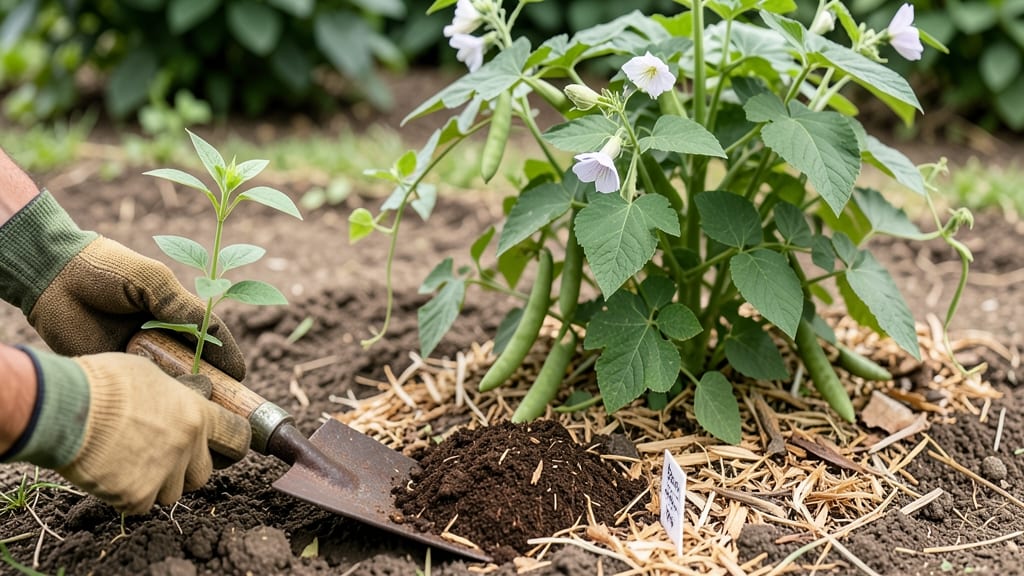
Planting beans in Zone 6 at the wrong time can mean the difference between a bumper crop and wasted effort. The key to success isn't just waiting for spring—it's knowing exactly when to get those seeds in the ground for reliable growth and flavor.
With Zone 6's unpredictable frost dates (usually around mid-April), timing matters more than you might think. Whether you're growing bush beans that mature quickly or pole beans that need more time, getting them in the soil at the right moment ensures strong starts and healthy plants.
I'll walk you through the exact weeks before your last frost to plant, plus soil temperature tips and regional adjustments. By the end, you'll know whether to start sowing in early May or wait until late April—and why the difference makes all the difference for your harvest.
Let's dive into the game-changer details that separate beginner mistakes from gardening wins. Your future bean harvests will thank you!

Optimal planting weeks before last frost in Zone 6 for bush and pole beans
In Zone 6, planting beans at the right time ensures healthy growth and a bountiful harvest. The key is waiting until after the last frost date—typically around mid-April—when soil temperatures consistently reach 60°F or higher.
This timing works for both bush beans and pole beans, though their ideal planting windows differ slightly.
For bush beans, which mature faster, aim to plant 4-6 weeks before your last frost date. This gives them enough time to grow before summer heat sets in.
Meanwhile, pole beans, which take longer to produce, should go in the ground 2-3 weeks before the last frost to maximize their growing season.
🌱
| Bean Type | Planting Window | Soil Temp Requirement | Notes |
|---|---|---|---|
| Bush Beans | 4-6 weeks before last frost | 60°F+ | Faster-maturing; ideal for early harvests. |
| Pole Beans | 2-3 weeks before last frost | 60°F+ | Longer season; needs support for vines. |
| Both Types | April-May (Zone 6) | 60°F+ | Avoid planting after June for fall harvests. |
If you’re unsure about your last frost date, check your local USDA Plant Hardiness Zone Map or use a frost calendar for your specific area. In Zone 6, late April to early May is typically the safest window for planting both types of beans.
For a fall harvest, try planting beans in late July or early August. This gives them enough time to mature before the first frost in mid-October. Just be sure to use frost-tolerant varieties like 'Provider' or 'Kentucky Wonder' for better success.
Always test your soil temperature with a soil thermometer before planting. Beans won’t germinate well in cold soil, so waiting for the right conditions is crucial. Once planted, keep the soil consistently moist but not soggy to encourage strong root development.
🌿
One common mistake is planting beans too early in Zone 6. If you sow seeds in March, they may not germinate properly due to cold soil, or young plants could be damaged by late frosts.
Instead, wait until the soil is warm enough—usually by late April—to ensure a successful start.
If you’re growing beans in containers or raised beds, warm up the soil faster by covering it with black plastic mulch a few days before planting. This helps maintain the ideal 60°F+ temperature and speeds up germination.
For succession planting, sow new seeds every 2-3 weeks after the initial planting to ensure a continuous harvest throughout the summer. This works especially well for bush beans, which mature quickly.
☀️
Optimal planting weeks before last frost in Zone 6 for bush and pole beans
In Zone 6, the last spring frost typically arrives between April 15-30, but exact dates vary yearly. For bush beans, aim to plant 4-6 weeks before your average last frost date, while pole beans thrive when sown 2-3 weeks earlier.
This timing ensures seeds germinate in warm soil—60°F or higher—without risking frost damage.
Soil temperature is more critical than calendar dates. Use a soil thermometer to confirm warmth before planting. Cold soil (50°F or below) delays germination and invites rot. In Zone 6, this usually aligns with late April to early May for most regions.
| Bean Type | Planting Window | Soil Temp Threshold | Notes |
|---|---|---|---|
| Bush Beans | 4-6 weeks before last frost | 60°F+ | Compact growth; harvest in 50-60 days |
| Pole Beans | 2-3 weeks before last frost | 60°F+ | Vining; needs trellis; harvest over 60+ days |
For succession planting, sow bush beans every 2 weeks until early July to extend your harvest. Pole beans, with their longer growing season, can handle one late planting in early June for a fall crop—just ensure they mature before the first frost (mid-October in Zone 6).
If you’re using starter plants (not recommended for beans, as they transplant poorly), wait until soil is 70°F+ and all frost risk has passed. Direct sowing seeds is far more reliable for beans, as they establish roots quickly in warm conditions.
Monitor your local frost forecast and adjust planting dates if late frosts are predicted. In Zone 6, a sudden cold snap in May can devastate young seedlings, so flexibility is key. Use row covers if planting early to add a 2-3°F buffer against chilly nights.
Once planted, maintain consistent moisture—beans hate dry soil but also dislike soggy conditions. Mulch with straw or grass clippings to retain moisture and regulate soil temperature, especially during Zone 6’s unpredictable spring weather swings.