
Plants
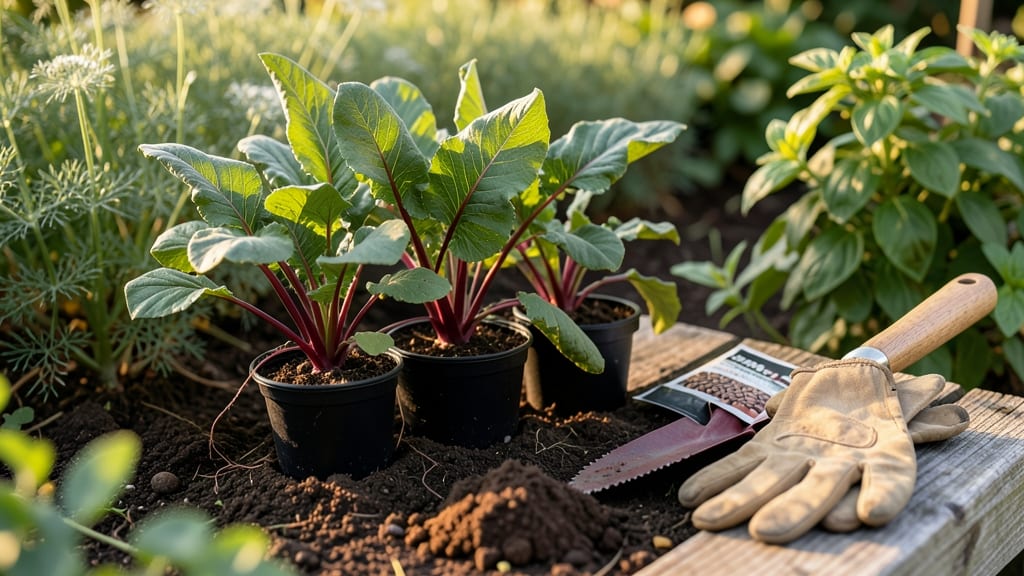
Planting beets in North Carolina at the wrong time can turn your sweet harvest into bitter, bolted greens—so getting the timing right is everything. The key lies in understanding your local frost dates and how they shift across regions like the Piedmont or Coastal Plain.
Whether you're a first-time gardener or a seasoned grower, these exact planting windows will help you avoid common mistakes and enjoy tender roots all season.
In zones 7a-8b, your best bets are early spring (March-April) and late summer (July-August), but the devil’s in the details. Missing the window by even a few weeks can mean tougher beets or plants that bolt before you get to harvest.
I’ll walk you through how to calculate your last frost date using NOAA data and adjust for your specific corner of the state.
Did you know succession planting every 2-3 weeks can stretch your harvest from May to October? That’s how you beat North Carolina’s heat and keep your beets from turning woody or flowering too soon.
We’ll also cover the best heat-tolerant varieties for your area, like 'Detroit Dark Red', and how to use shade cloth to trick your plants into staying sweet.
Ready to grow beets that are crisp, flavorful, and ready to harvest? Let’s dive into the exact steps—from soil prep to frost timing—that will make your garden the envy of the neighborhood. No more guesswork, just perfect timing for your 🍠 harvest.
North Carolina beet planting calendar: exact weeks before last frost for peak harvests
North Carolina's diverse climate—from the cool mountain regions to the warmer coastal plains—means your beet planting window varies by 1-2 weeks. To avoid bolting (when beets flower prematurely) or frost damage, timing is everything.
Let’s break down the exact frost dates and planting windows for each NC region so you can plan your spring and fall harvests like a pro.
First, know your last average frost date—this is your planting deadline. In North Carolina, it typically falls between mid-March (Mountains) and late March (Coastal). For fall planting, aim for 70-80 days before your first frost, usually late July to early August.
But don’t guess—use NOAA’s Frost/Freeze Product to find your localized frost dates.
Here’s how to calculate your ideal planting window: Start seeds 4-6 weeks before your last frost date indoors (if starting early) or 2-3 weeks before directly in the garden. For direct sowing outdoors, plant when soil temps reach 45°F—usually mid-March to early April in most of NC.
In the Piedmont region, this might be March 15, while Coastal NC can start as early as February 20.
🌱 North Carolina Beet Planting Calendar by Region
| Region | Last Frost Date | Spring Planting Window | Fall Planting Window | Harvest Time |
|---|---|---|---|---|
| Mountains (Asheville) | March 15 | March 1 - April 15 | July 20 - August 10 | May - June & Sept - Oct |
| Piedmont (Raleigh) | March 20 | February 28 - April 10 | July 25 - August 15 | April - June & Sept - Oct |
| Coastal (Wilmington) | March 25 | March 10 - April 20 | August 1 - August 20 | May - June & Sept - Oct |
📌 Pro Tip: Use a frost clock or NOAA’s Frost/Freeze Product for your zip code to fine-tune dates.
For spring planting, start with hardy varieties like 'Detroit Dark Red' or 'Golden', which tolerate cooler soils. Sow seeds ½ inch deep, 1-2 inches apart, and thin to 3-4 inches once seedlings emerge.
In warmer regions like Coastal NC, you can even plant early February under row covers to jumpstart growth.
Don’t overlook fall planting—it’s a game-changer for a second harvest before winter. Aim to plant 70-80 days before your first frost, which in most of NC is late July to early August.
Choose heat-tolerant varieties like 'Chioggia' or 'Babybeat' to handle summer heat and still mature before frost. Mulch heavily to insulate roots and extend the season.
If you’re in Zone 7a (Mountains), your growing season is shorter, so focus on early spring and late summer plantings. In Zone 8b (Coastal), you’ve got more flexibility—you can even squeeze in a third planting in early September for a winter harvest under row covers.
Just be mindful of daylength: beets bolt when days get too long (typically after June 21).
For succession planting, sow new seeds every 2-3 weeks until 6 weeks before your last frost. This ensures a steady supply of tender beets all season.
In Coastal NC, you might even get three plantings—February, April, and August—while Piedmont gardeners typically nail two plantings per year. Experiment to see what works best for your microclimate!
One critical mistake NC gardeners make? Planting too late in spring when temperatures rise.
How to avoid beet bolting in North Carolina’s heat: variety selection and succession planting strategies
North Carolina’s summer heat can turn your sweet beet harvest into bitter, bolted greens faster than you can say "harvest failure." The key to avoiding this is choosing the right varieties and using smart planting strategies.
Heat-tolerant varieties like 'Detroit Dark Red' and 'Golden' stay sweet longer, while succession planting keeps your garden producing all season.
Bolting happens when beets sense heat stress and rush to flower—leaving you with tough roots and wasted effort. The solution? Plant every 2-3 weeks from spring through early summer to stagger maturity. This way, you always have fresh, tender beets ready to harvest before the heat forces bolting.
⚠️ Pros & Cons: Heat-Tolerant Beet Varieties
✅ Deep red roots, heat-resistant
✅ 55-60 days to harvest
❌ Needs consistent moisture
✅ Sweet, golden roots
✅ Tolerates partial shade
❌ Smaller roots than Detroit
✅ Striped roots, unique look
✅ Heat-tolerant but slower grower
❌ Needs rich soil
For extra protection, use shade cloth (30-50%) during the hottest months. This trick reduces soil temperature by up to 10°F, giving your beets the cool conditions they need to stay sweet. Just remove the cloth once temperatures drop below 85°F to ensure full sun for optimal growth.
Succession planting isn’t just about avoiding bolting—it’s about extending your harvest. By planting new seeds every 2 weeks from March through July, you’ll have beets ready to pull from May through October. This method also reduces pest pressure, as no single batch becomes overcrowded or stressed.
Pro tip: Mark your planting dates on a garden calendar to stay organized. I use colored flags to track each batch’s progress—red for newly planted, yellow for thinning time, and green for harvest-ready. This visual system keeps me from missing a single planting window.
With the right varieties and a little planning, you can enjoy crisp, sweet beets all season long—no bitter surprises here. Just remember: heat + stress = bolting, and your goal is to keep your beets cool and happy until harvest time. 🌱