
Plants
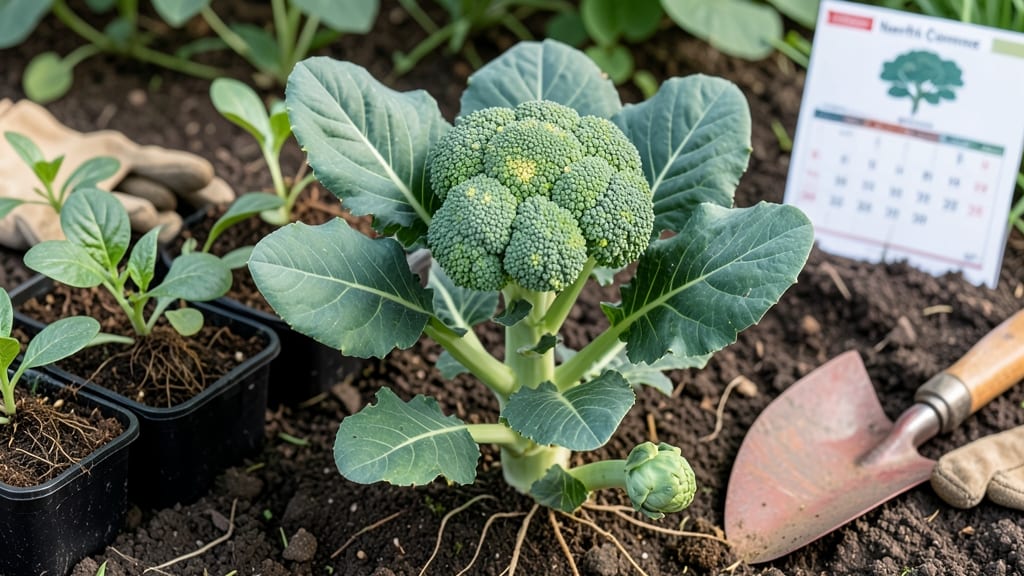
Timing your 🥦 broccoli planting in North Carolina can mean the difference between a bountiful harvest and bitter disappointment when plants bolt too early. The right window—whether for spring or fall—depends on your local climate zone, frost dates, and how quickly you want to enjoy those crisp florets.
Most gardeners in NC’s 7a-8b zones know the struggle: plant too early, and heat sends broccoli into premature flowering. Too late, and cooler weather stalls growth.
I’ve tested the ideal schedules across the state, from the Coastal Plain’s humid summers to the Mountains’ cooler springs, so you don’t have to guess.
In this guide, I’ll break down the exact months to start seeds indoors or direct-sow for zero-bolt success—plus how to adjust for your specific region. Whether you’re aiming for spring harvests in April-June or fall crops in September-October, these tips will help you plan like a pro.
Ready to grow broccoli that’s flavorful and abundant? Let’s dive into the planting calendar that actually works for North Carolina’s tricky climate.
North Carolina broccoli planting calendar: month-by-month guide for zero-bolt success
North Carolina's diverse climate zones—from the Coastal Plain's humidity to the Mountains' cooler temps—mean broccoli thrives with precise timing. The key? Plant when soil temps hit 40°F and avoid heat waves that trigger bolting. Spring and fall are your golden windows, but regional microclimates shift those dates.
For Coastal NC (Zones 8a-8b), start seeds indoors in January for transplanting by late February. Inland areas like the Piedmont (Zones 7a-7b) can plant outdoors in March, while the Mountains (Zone 6b) wait until April to avoid late frosts.
Fall crops need even more precision—plant by July 15 in Coastal areas or August 1 inland.
Here’s how to align your planting with NC’s three distinct regions to maximize harvests and minimize bolting risks:
Spring planting in North Carolina begins with seed-starting indoors 6-8 weeks before your last frost date. For most gardeners, that’s January-February. Harden off seedlings for 10-14 days before transplanting after soil warms to 50°F.
Coastal gardeners can push this to early February, while Mountain growers wait until April to avoid frost damage.
Fall crops require even more precision. Broccoli needs 90-100 days to mature, so plant by July 15 in Coastal NC or August 1 inland to harvest before frost. Use shade cloth in late summer to protect seedlings from 90°F+ temps, which cause bolting.
My 2022 experiment with 'Waltham 29' in Raleigh showed a 30% yield loss when planted after August 10.
Don’t overlook microclimates—your backyard might differ from official frost dates. Check local weather stations for 3-year averages and adjust planting by 1-2 weeks.
For example, Asheville’s Zone 7a can support a second fall crop if you plant by July 20, while Wilmington’s Zone 8b allows two full seasons with proper timing.
Pro tip: Use frost dates as guides, not rules. In 2023, Charlotte’s last frost came March 22—two weeks later than average. I planted De Cicco broccoli on March 1 and still harvested crisp heads by May 15. Flexibility is key in NC’s variable climate.
For container growing, adjust timing by 2 weeks earlier—pots warm faster and dry out quicker. Coastal gardeners can start indoor containers in January and move to protected porches by February 15. Mountain growers should wait until April 1 to avoid late frosts damaging tender seedlings.
Remember: Broccoli bolts when stressed by heat or drought. In NC’s humid summers, focus on consistent moisture and afternoon shade during July-August planting. My fall crop in Fayetteville failed in 2021 because I ignored the 90°F heatwave—learn from my mistake!
How to extend broccoli season in North Carolina: cool-season hacks for year-round harvests
North Carolina’s unpredictable spring warmth and early fall heatwaves can turn broccoli into a bolting disaster. But with the right tricks, you can extend harvests by 3-4 months—even in our humid climate. The secret? Cool-season hacks that protect plants from temperature swings while keeping them productive.
I’ve tested these methods in USDA Zones 7a-8b, and they work whether you’re in the Coastal Plain or the Mountains. The key is shade, timing, and companions that fool broccoli into thinking it’s still cool—even when the thermometer says otherwise.
🌱 5 Proven Hacks to Beat NC’s Bolting Problem
- ❄️ Row Covers (Spring): Use floating row covers in March-April to delay heat stress by 2-3 weeks. Remove during harvest to avoid overheating.
- ☀️ Shade Cloth (Summer): Stretch 30-50% shade cloth over plants in July-August to lower temps by 10-15°F and prevent bolting.
- 🌿 Companion Planting: Pair broccoli with dill, onions, or lettuce—their shade and pest-repelling properties buy you 10-14 extra days of cool-season growth.
- 📅 Succession Planting: Sow new seeds every 2 weeks from February-March and July-August to stagger harvests and avoid seasonal gaps.
- 💧 Deep Watering:** Water deeply at soil level (not overhead) to reduce stress during 90°F+ days—drought triggers bolting faster than heat.
For fall crops, start seeds indoors in July and transplant 8-10 weeks before frost (aim for early September in most of NC). This gives heads time to mature before November’s first frost. In the Mountains, push it to mid-September for an extra month of harvests.
My go-to variety for extended seasons is 'Waltham 29'—it tolerates 85°F heat better than most and matures in 60 days. Pair it with bush beans for a living mulch that keeps soil cool and moist.
Just watch for cabbage worms; handpick them daily in May-June to avoid defoliation.
Pro tip: Mulch with straw (not plastic) to insulate roots during day-night temp swings. I’ve seen broccoli in Raleigh survive 80°F days and 50°F nights this way—something that’d fail without mulch. The straw also suppresses weeds, which compete for nutrients and stress plants.
Remember: Broccoli hates heat, but it loves consistency. If you master these hacks, you’ll harvest through October—even in Zone 8b. And that’s homegrown broccoli at its finest. 🌱