
Plants
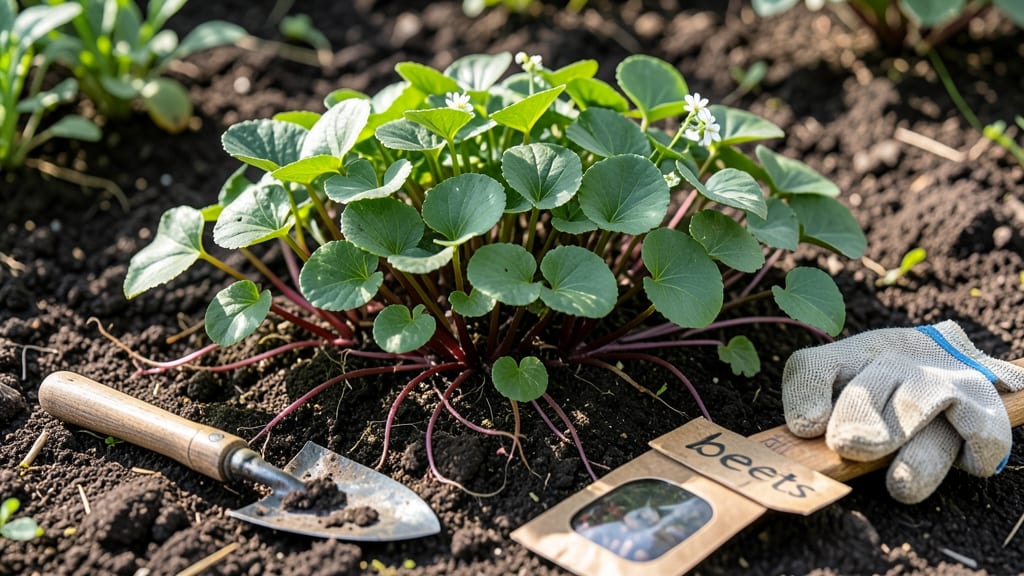
Timing your beet planting in Seattle can mean the difference between sweet, tender roots and bitter, bolted greens—so getting it right is everything. With our mild but unpredictable climate, knowing when to plant 🍠 is the key to a successful harvest.
Whether you're a first-timer or a seasoned gardener, the right window makes all the difference.
The best time to plant beets in Seattle is during two distinct windows: early spring (March-April) and late summer (August-September). These periods align with our 8a zone climate, giving your beets the ideal conditions to thrive without bolting.
Missing these windows? You might end up with tough, woody roots instead of the tender harvest you're after.
In this guide, I’ll break down exactly when to plant for maximum success, including soil temperature tips and how to avoid common pitfalls. You’ll also discover how to extend your harvest season with simple techniques that work perfectly in Seattle’s coastal climate. Let’s get those beets growing the right way!
From avoiding early frost to managing Seattle’s wet springs, I’ve got you covered with practical advice that actually works. By the end, you’ll know exactly when to plant for a steady supply of homegrown beets all season long—no guesswork required.
Seattle’s best planting windows for beets: spring vs fall timing guide
Seattle’s USDA Zone 8a climate creates two perfect windows for growing sweet, tender beets: early spring and late summer. The key is planting when soil temperatures hover between 40°F and 75°F—too cold delays germination, while too hot triggers bolting (the bitter, flower-shooting stage we all avoid).
Let’s break down the best months and why they work for Seattle’s coastal and inland microclimates.
For spring planting, aim for late March to mid-April when the last frost (around March 15) has passed and soil warms to at least 45°F. This gives beets 60-70 days of ideal growing weather before summer heat arrives.
If you plant too early (February), cold soil slows germination, and seedlings may rot. Conversely, planting in May or June risks bolting as temperatures climb above 75°F.
Fall planting is your second chance for beets in Seattle. Start seeds in late August to early September to harvest before the first frost (November 15). Beets planted in September can tolerate light frosts, which actually sweeten their flavor.
Just avoid planting after mid-September, or your beets may struggle to mature before winter sets in.
Here’s how Seattle’s coastal vs. inland areas affect timing: Coastal regions (like West Seattle) stay cooler longer, so you can plant 1-2 weeks later than inland areas (like Bellevue). Inland spots may need row covers in early spring to protect young seedlings from unexpected cold snaps.
| Planting Window | Soil Temp Requirement | Seattle-Specific Timing | Bolting Risk | Harvest Window |
|---|---|---|---|---|
| Spring | 45°F–75°F | Late March–Mid-April | Low (if planted before May) | June–July |
| Fall | 50°F–65°F | Late August–Early September | None (cool nights prevent bolting) | October–November |
| Coastal Areas | 40°F–70°F | April 1–May 1 (spring) / Sept 1–15 (fall) | Moderate (delayed heat) | June–August / Oct–Nov |
| Inland Areas | 45°F–75°F | March 15–April 15 (spring) / Aug 15–Sept 1 (fall) | High (if planted too late) | May–July / Sept–Oct |
To test if your soil is ready for planting, press your finger 1 inch deep—if it feels cool but workable (not icy), it’s time to sow. For extra precision, use a soil thermometer ($10 at garden centers) to confirm temps.
In Seattle’s wet springs, amending soil with compost or aged manure improves drainage and prevents rot-prone conditions.
Pro tip: Direct-sow seeds (don’t start indoors) because beets hate transplanting. Scatter seeds ½ inch deep and 1-2 inches apart, then thin seedlings to 3-4 inches apart once they’re 2 inches tall. This spacing gives roots room to grow without competing for nutrients.
Watch for bolt-resistant varieties like ‘Detroit Dark Red’ or ‘Golden Beet’ if you’re pushing the limits of Seattle’s short growing season. These types tolerate cooler temps better than standard varieties. Pair them with mulch (straw or shredded leaves) to keep soil temps stable and moisture consistent.
Remember: Beets are cool-season crops, so they’ll thrive in Seattle’s mild winters if planted correctly. With the right timing, you can enjoy fresh, homegrown beets from June through November—no greenhouse needed!
Seattle’s best planting windows for beets: spring vs fall timing guide
Timing your beet planting in Seattle’s USDA Zone 8a is all about avoiding the city’s infamous unpredictable spring rains and late-frost surprises. Beets thrive when soil temperatures stay between 40-75°F, making early spring and late summer the sweet spots for zero-bolt harvests.
In Seattle, your best planting windows are March through April for spring crops and August through September for fall harvests. Planting too early risks cold soil, while waiting too long triggers bolting—when beets send up bitter flower stalks.
Here’s how to align your planting with Seattle’s climate:
For spring planting, start seeds indoors in late February to transplant after the last frost (March 15). In fall, sow seeds by September 1 to harvest before the first frost—aim for 60 days to maturity before November 15.
Seattle’s coastal microclimates can delay frost by 2-3 weeks. If you’re in West Seattle, push fall planting to early October. Inland areas like Redmond should plant by mid-September to avoid early chills.
Pro tip: Test soil temps with a soil thermometer—beets won’t germinate below 40°F. If your soil is too cold, wait 1-2 weeks or use black plastic mulch to warm it faster.
🌱