
Plants
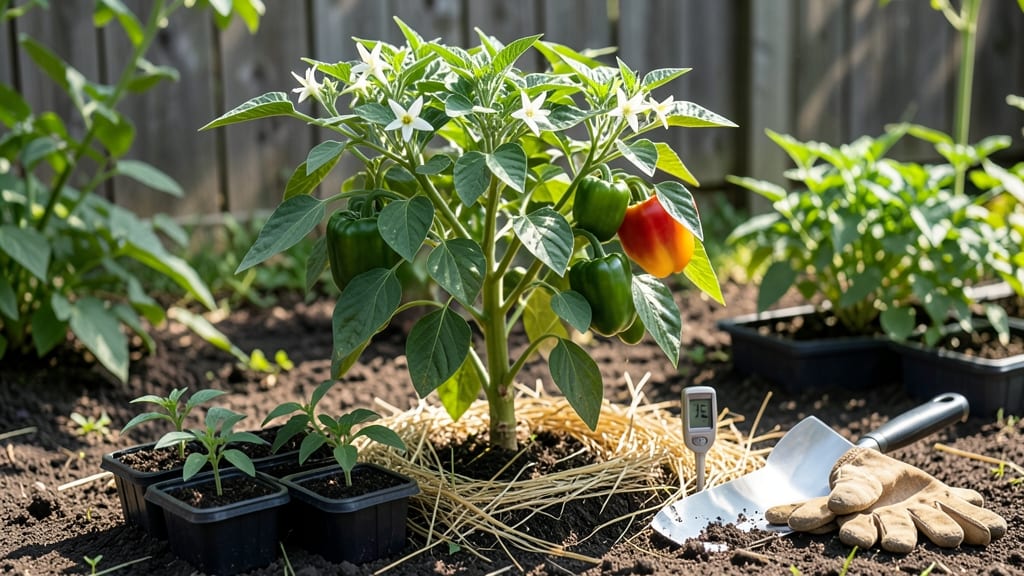
Timing your 🌶️ bell pepper planting in Oregon isn’t just about the calendar—it’s about catching that sweet spot between soil warmth and frost-free days to ensure your plants thrive. Skip the guesswork, and you’ll miss out on a summer-long harvest of crisp, flavorful peppers.
The key? Planting when soil temps hit 60°F and all frost risk has faded—usually after April 15 in most zones.
Oregon’s 7b-9a climate throws a curveball with its cool springs and microclimates, but I’ve cracked the code for fast germination and bumper crops. Whether you’re in the Willamette Valley or the High Desert, knowing when to pop those seeds (or transplant seedlings) makes all the difference.
Let’s dive into the exact triggers that’ll have your peppers growing like crazy.
You’ll learn how to read Oregon’s unpredictable weather patterns like a pro—from adjusting for late frosts to extending your harvest into fall. No more wasted seeds or stunted plants! With the right timing, you’ll be feasting on homegrown peppers from July to October, and I’ll show you how.
Ready to grow like a local? Grab your gloves, and let’s get those bell peppers in the ground at the perfect moment—because in Oregon, timing is everything.
Optimal soil temperature ranges for planting bell peppers in Oregon
Bell peppers are heat-loving plants, and getting the soil temperature right is critical for germination and strong growth in Oregon’s cool springs. Unlike tomatoes, peppers refuse to sprout in cold soil, so timing your planting based on soil warmth—not just air temperature—is key.
In most of Oregon, this means waiting until late April to early May for direct sowing or mid-May to June for transplants, depending on your microclimate.
For seed-starting indoors, aim for 60-70°F soil temperatures to encourage quick germination. If you’re sowing directly outdoors, wait until the soil reaches a steady 60°F—this typically aligns with after the last frost date in your area.
In cooler regions like the Willamette Valley, this might be mid-May, while High Desert areas like Bend can plant earlier, around late April.
Here’s why soil temperature matters: Bell pepper seeds need warmth to activate enzymes that break down stored nutrients. Below 50°F, seeds may rot; above 90°F, they can overheat.
Oregon’s maritime climate keeps soil cooler longer, so don’t rush—patience prevents failure. Use a soil thermometer to check depths of 1-2 inches, where roots will first emerge.
🌱 Bell Pepper Soil Temperature Guide for Oregon
| Stage | Ideal Soil Temp (°F) | Oregon Timeline | Microclimate Notes |
|---|---|---|---|
| Seed Germination | 50-60°F | Late April–May | High Desert: 2 weeks earlier; Coast: 2 weeks later |
| Transplanting | 60-70°F | Mid-May–June | Willamette Valley: Wait for 60°F; Eastern OR: Plant by May 15 |
| Active Growth | 70-85°F | June–September | Use row covers for early-season warmth; mulch to retain heat |
| Fruiting | 75-90°F | July–October | Coastal areas may need shade cloth in summer |
Oregon’s microclimates create huge variations in planting windows. For example, Portland’s Willamette Valley often sees soil temps hit 60°F by late May, while Medford’s Rogue Valley can plant 2-3 weeks earlier due to warmer springs.
If you’re in a cooler pocket, like the Coast Range, consider raising beds or using black plastic mulch to warm soil faster. These methods can add 5-10°F to soil temperature, accelerating growth.
Another pro tip: Test your soil’s warmth before planting. Stick your finger 2 inches deep—if it feels lukewarm (like bathwater), it’s ready for peppers. If it’s chilly (like a fridge door), wait another week.
This simple trick saves you from wasted seed packets and frustrating delays. I’ve learned this the hard way after planting seeds in 50°F soil and watching them rot in the ground!
For transplants, which are more forgiving, aim for 60-70°F soil and air temps above 55°F. Hardened-off seedlings from nurseries can handle cooler soil better than seeds, but they still need warmth to establish roots quickly.
If your local nursery offers heat-loving varieties like ‘Jupiter’ or ‘Carolina Wonder’, these are your best bets for Oregon’s shorter growing seasons.
Remember: Soil temperature > air temperature when planting peppers. Even if your thermometer says 70°F outside, the soil might still be 50°F at depth. Use a soil thermometer (they’re cheap and lifesavers) or plant in raised beds filled with compost, which warms up 2-3 weeks faster than in-ground soil.
This small investment can mean the difference between a bountiful harvest and a disappointing flop.
Once your soil hits the sweet spot, act fast. Bell peppers grow quickly once established, but they hate cold snaps. If a late frost threatens after planting, cover seedlings with frost cloth or a row cover to protect tender leaves.
And if you’re in Zone 7b (e.g., Salem), you might even squeeze in a second planting in early July for a fall harvest.
🌱 Don’t let Oregon’s cool springs fool you—
Best planting months in Oregon by region (with frost risk alerts)
Oregon’s diverse climate means planting times vary dramatically from the Willamette Valley to the High Desert. In Western Oregon (Portland, Eugene), aim for mid-April to early May after the last frost, while Eastern Oregon (Bend, La Grande) can plant 2-3 weeks later due to cooler soils.
Coastal areas like Astoria may wait until late May to avoid chilly ocean breezes.
Use Oregon State University’s frost maps to pinpoint your exact last frost date. For example, Medford’s last frost is typically April 1, while Corvallis averages March 20. Planting too early risks frost damage or poor germination, while waiting too long shortens the growing season.
🌱
Frost Risk Alerts for Oregon
❄️ Western Oregon: Last frosts can linger until April 15—wait until soil temps hit 60°F.
🌡️ Eastern Oregon: High Desert areas (e.g., Bend) may plant May 1-June 1 due to cooler nights.
🌊 Coastal Oregon: Ocean fog delays planting—opt for heat-loving varieties like 'Carolina Wonder'.
For raised beds, you can plant 1-2 weeks earlier since soil warms faster. In-ground planting requires patience—test soil with a soil thermometer to confirm 60-70°F for transplants or 50-60°F for seeds. Container gardening offers flexibility; move pots to a sunny patio after frost risk passes.
Heatwaves in July-August can stress peppers, so choose shade-tolerant varieties like 'Jupiter' if your area gets 90°F+ temps. Succession planting every 2 weeks after the first planting ensures a continuous harvest through fall.
Pro tip: Mark your calendar for Oregon’s first frost (typically October 15 in Western Oregon, November 1 in Eastern Oregon). This helps you plan for fall harvests or season extension techniques like row covers.
🌿