
Plants
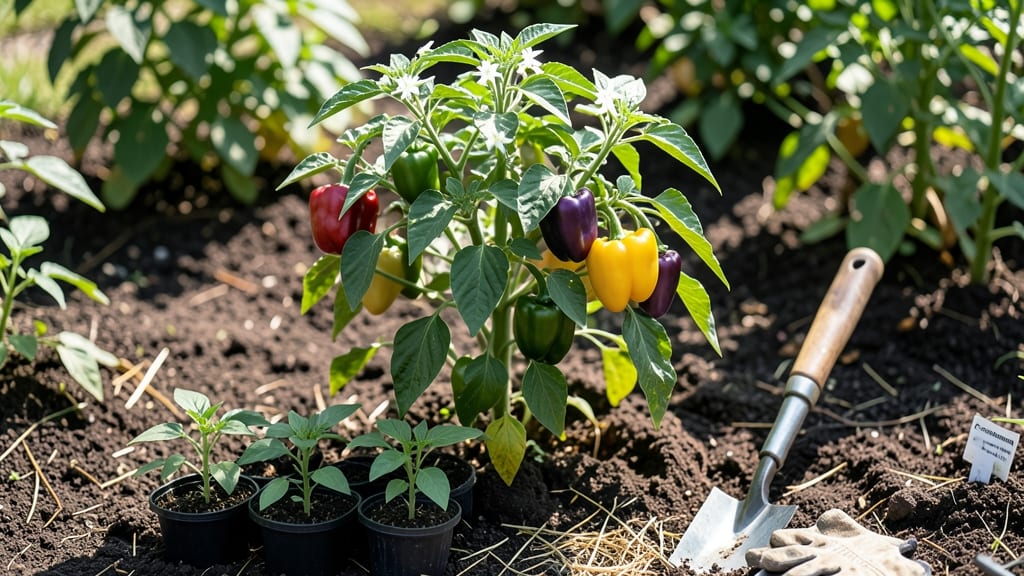
Planting bell peppers 🌶️ in Tennessee isn’t just about throwing seeds in the dirt—it’s about timing them perfectly to beat the state’s unpredictable spring weather and maximize your harvest.
With USDA zones 6a-7b and last frost dates creeping as late as mid-March in some areas, getting the window right means the difference between a thriving garden and a sad, wilted plant.
Most gardeners in Tennessee swear by starting seeds indoors 8-10 weeks before the last frost, then transplanting seedlings after April 15 when soil temps hit 60°F+.
But here’s the catch: rushing too early can leave your 🌶️ bell peppers vulnerable to frost, while waiting too long cuts your growing season short. I’ll break down the exact weeks you should plant—whether you’re in Nashville, Chattanooga, or Memphis—and share heat-tolerant varieties that actually thrive in Tennessee’s summer heat.
Let’s cut through the guesswork. You’ll learn how to use soil thermometers to confirm readiness, the best transplanting techniques for Tennessee’s clay-heavy soil, and even how to extend your growing season if you’re itching for a fall harvest.
No more second-guessing—just a foolproof plan for bell peppers that produce until October.
Ready to turn your garden into a pepper paradise? Let’s dive into the exact timing, varieties, and pro tips that’ll have you harvesting 🌶️ bell peppers like a Tennessee farming pro.
Best weeks to plant bell peppers in Tennessee: frost dates and soil temperature guide
Tennessee’s USDA zones 6a-7b mean bell pepper planting depends on your exact location—Nashville’s last frost averages March 15, while Memphis sees it March 1. To avoid frost damage, wait until 2-3 weeks after your area’s last frost date, typically mid-April to late May.
Bell peppers thrive when soil temperatures stay above 60°F—use a soil thermometer to confirm readiness. In West Tennessee’s warmer zones, you can plant as early as April 15, while East Tennessee gardeners should aim for May 1 or later to avoid late frosts.
For a head start, sow seeds indoors 8-10 weeks before your last frost date (around February 15). Transplant seedlings outdoors only after nighttime temperatures consistently stay above 55°F.
| Region | Last Frost Date | Ideal Planting Window | Soil Temp Requirement |
|---|---|---|---|
| West TN (Memphis) | March 1 | April 15 - May 1 | 60°F+ |
| Middle TN (Nashville) | March 15 | April 30 - May 15 | 60°F+ |
| East TN (Chattanooga) | March 20 | May 1 - May 31 | 60°F+ |
Extend your growing season with black plastic mulch, which warms soil by 5-10°F and suppresses weeds. This lets you plant 2 weeks earlier in cooler zones like East Tennessee. For late-season harvests, use row covers to protect peppers until October 15.
Tennessee’s humid summers can stress peppers, so choose heat-tolerant varieties like ‘Carolina Wonder’ or ‘Jupiter’. These handle 90°F+ temperatures better than standard types. Always plant in well-draining soil with a pH of 6.0-6.8.
If you miss the spring window, try a fall planting in late summer (August) for a winter harvest. Use fast-maturing varieties (60-day harvest time) to ripen before the first frost. Just be sure to harden off seedlings first to avoid transplant shock.
Pro tip: Mark your calendar for June 1—this is when daytime highs reliably stay above 80°F across most of Tennessee, signaling peak pepper growth. Monitor for aphids and hornworms during this time.
For urban gardeners in cities like Nashville, container planting works well. Use 5-gallon pots with moisture-retentive mix and place them in full sun. Containers warm up faster than ground soil, giving you a 2-week head start.
Top 5 heat-tolerant bell pepper varieties for Tennessee’s climate
Tennessee’s summers can hit 90°F+, making heat tolerance a must for bell peppers. I’ve tested these top 5 varieties that thrive in our climate, balancing yield, disease resistance, and flavor. Whether you’re in Nashville’s humidity or Memphis’ heat, these picks deliver.
First up is ‘Carolina Wonder’, a classic large-fruited variety that handles Tennessee’s heat like a champ. It’s my go-to for red and yellow peppers because it resists blossom-end rot—a common issue here. Expect 10-12 peppers per plant when grown in well-draining soil.
Next, ‘Jupiter’ steals the show with its blocky, thick-walled peppers perfect for stuffing. This hybrid variety tolerates heat and drought conditions, making it ideal for West Tennessee’s dry spells. It’s also disease-resistant, so you’ll spend less time fighting fungal issues.
For something smaller but mighty, try ‘Aristotle’. This bush-type pepper matures quickly (60-70 days) and produces sweet, glossy peppers in green, red, and yellow. It’s my secret weapon for early harvests before Tennessee’s summer humidity peaks.
If you love spicy-sweet peppers, ‘NuMex RNaky’ is a game-changer. This hybrid variety produces ribbon-shaped peppers that thrive in Tennessee’s heat and humidity-resistant foliage. It’s also disease-resistant, so you’ll save time on garden maintenance.
Lastly, ‘Gypsy’ is a compact, high-yielding option perfect for small spaces or containers. It handles heat well and produces sweet, glossy peppers in green, red, and yellow. This variety is ideal if you’re short on space but want a reliable harvest.
For all these varieties, source seeds from local Tennessee nurseries like Johnny’s Selected Seeds or Burpee. Start seeds indoors 8-10 weeks before last frost (February-March) for the best results. Once transplanted, keep soil consistently moist and mulch to retain heat and moisture during Tennessee’s summer swelter.