
Companion Plants
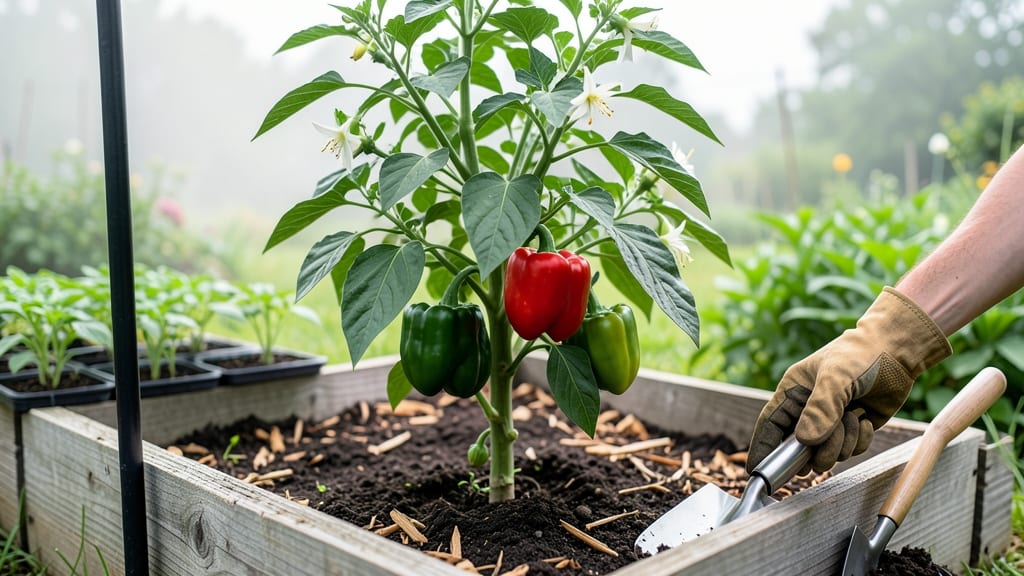
Timing your 🌶️ bell pepper planting in Pennsylvania can make or break your harvest—get it wrong, and you might end up with sad, stunted plants or wasted seeds.
Unlike hardy crops, these heat-lovers refuse to grow until soil temperatures hit 60°F, and rushing them means frost damage or slow starts that cut your growing season short.
In Pennsylvania’s USDA zones 5b-7a, the window to plant bell peppers safely is narrow but critical: typically mid-April to early May after the last frost, though exact dates vary by county.
Whether you’re starting seeds indoors or transplanting seedlings, knowing your zone’s last frost date—and adjusting for microclimates—is the key to avoiding common mistakes that leave gardeners scratching their heads by July.
Here’s what you need to know: I’ll break down the exact planting timeline for your zone, share proven strategies to extend your growing season (because Pennsylvania’s short summers demand smart planning), and recommend the fastest-maturing varieties that actually thrive here.
No more guessing—just a clear, actionable roadmap to a bountiful harvest from July to October.
Ready to stop second-guessing and start planting with confidence? Let’s dive into the perfect timing for your bell peppers, so you can enjoy homegrown 🌶️ all season long.
Best planting dates for bell peppers in PA by hardiness zone
Pennsylvania’s USDA zones 5b-7a create a tricky balance for growing bell peppers. These heat-loving plants need warm soil (60°F+) and consistent temperatures above 55°F to thrive. Planting too early risks frost damage, while waiting too long shortens your harvest window.
Let’s break down the perfect timing for your specific zone to ensure healthy growth and maximum yield.
Most of Pennsylvania experiences its last frost date between April 15 and May 15, but this varies by region. In northern PA (zones 5b-6a), you’ll need to start seeds indoors 8-10 weeks before transplanting, typically around mid-March.
Meanwhile, southern PA (zones 6b-7a) gardeners can begin seeds indoors as early as late February for a head start. Always check your local Penn State Extension frost maps for precision.
Here’s the key rule: Never transplant seedlings outdoors until soil temperatures consistently stay above 60°F. A soil thermometer is your best friend—bell peppers won’t germinate or grow well in cold soil.
In cooler zones, this often means waiting until late May or early June for safe outdoor planting. In warmer southern zones, you might push seedlings out by mid-May.
| Zone | Start Seeds Indoors | Transplant Outdoors | Soil Temp Requirement | Last Frost Date |
|---|---|---|---|---|
| 5b (Northern PA) | Mid-March | Late May - Early June | 60°F+ | May 10-20 |
| 6a (Central PA) | Late February - Early March | Mid-May | 60°F+ | April 25 - May 5 |
| 6b (South-Central PA) | Late February | Early May | 60°F+ | April 15 - April 25 |
| 7a (Southern PA) | Late February | Mid-April - Early May | 60°F+ | April 1 - April 15 |
If you’re buying seedlings from a nursery, hold off until after your zone’s last frost date and when nighttime temperatures stay above 55°F. In northern PA, this might mean waiting until early June, while southern PA gardeners can often plant by mid-April.
Always harden off seedlings for 7-10 days before transplanting to avoid shock.
For direct sowing (planting seeds directly in the garden), wait until soil temperatures are consistently above 70°F—this usually means late May to early June in most of PA.
Direct sowing is riskier because seedlings are more vulnerable to cool nights and pests, but it can save you time if you’re short on space for indoor starts.
Pro tip: Use black plastic mulch to warm the soil faster and give your peppers a head start. This technique can push your planting window 1-2 weeks earlier in cooler zones. Just
Timing isn’t just about dates—it’s also about microclimates. A south-facing slope warms up faster than a shady valley, so adjust your planting schedule accordingly
How to extend the growing season for bell peppers in Pennsylvania
Pennsylvania’s short growing season and unpredictable late frosts can derail your bell pepper harvest if you’re not prepared. With the right strategies, you can safely extend the season by 2-4 weeks, giving your heat-loving peppers the time they need to mature.
The key is protecting young plants while ensuring they get enough warmth to thrive.
Start by choosing microclimate-friendly spots in your garden. South-facing slopes or areas near buildings absorb heat longer, creating warmer pockets perfect for peppers. Even a 10°F difference can mean the difference between success and failure for your plants.
If your yard lacks natural warmth, consider raised beds—they warm up faster in spring and stay cooler in summer, reducing stress on your plants.
For extra protection, use floating row covers or lightweight fabric tunnels. These create a 2-5°F warmer environment under the cover, shielding seedlings from late spring frosts (28°F or lower).
Remove covers during the day to allow pollination (peppers need bees!), but replace them at night once temperatures dip below 50°F. This balance keeps your plants safe without stunting growth.
Another smart tactic is staggered planting. Instead of planting all your seedlings at once, space them out every 2 weeks from mid-May through early June. This ensures a continuous harvest and reduces the risk of losing your entire crop to a late frost.
For example, plant half your seedlings in late May and the rest in early June—this way, even if one batch suffers, the other will thrive.
If you’re growing peppers in containers or pots, move them to a sheltered spot (like a garage or porch) during cold snaps. Peppers in containers are more vulnerable to temperature swings, but bringing them indoors at night can save them from damage. Just
Finally, consider season-extending structures like cold frames or low tunnels. These are especially useful in USDA Zone 5b (northern PA), where frosts can linger until early May. A simple cold frame can add 10–14 days of growing time in spring and fall. Pair it with row covers for extra insulation, and you’ll give your peppers the head start they need to produce a bountiful harvest before the first frost.