
Plants
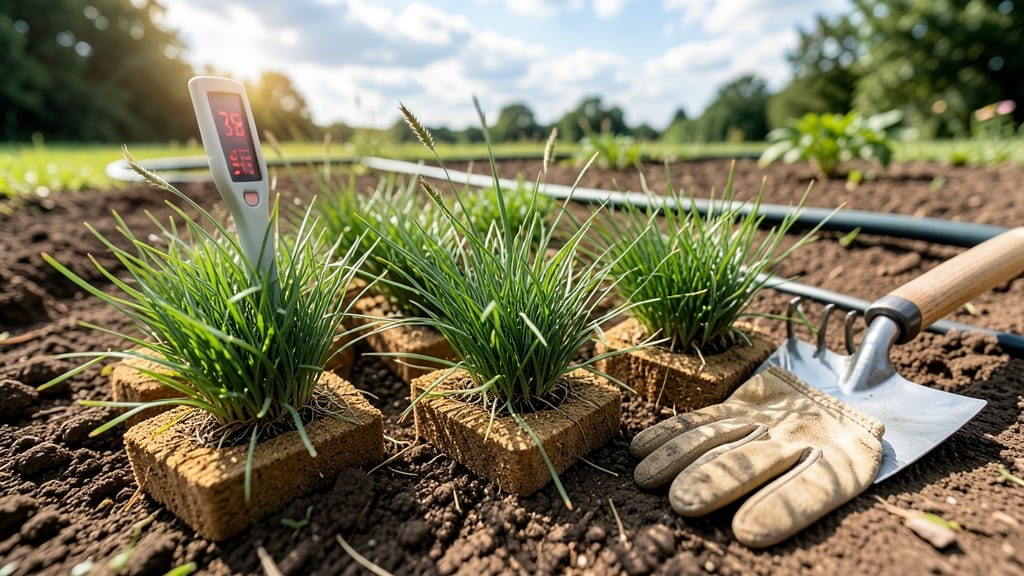
If you're dreaming of a lush, green lawn in Phoenix, AZ, timing your Bermuda grass 🌱 planting is the game-changer you need. Planting too early or late can leave your grass struggling against the desert heat, while the perfect window ensures fast root establishment before monsoon season hits.
Phoenix's 9b climate demands precision—late winter to early spring (February through March) is ideal, when soil temperatures hit that sweet spot of 65°F for germination. But don’t stop there: understanding how microclimates (like Scottsdale’s cooler evenings vs. Glendale’s intense sun) can shift your strategy is key to avoiding common pitfalls.
I’ve seen firsthand how fast root growth in the right window means the difference between a thriving lawn and one that wilts under summer stress.
Whether you’re planting seed or sod, this guide will walk you through soil prep, watering schedules, and even which Bermuda varieties hold up best in Phoenix’s brutal heat.
Skip the guesswork—let’s get your lawn off to the strongest start possible, so you can enjoy that vibrant green carpet all year long. Ready to dive in?
Optimal planting windows for Bermuda grass in Phoenix’s climate zones
Phoenix’s USDA Zone 10a climate demands precision when planting Bermuda grass—skipping the ideal windows can leave your lawn struggling under 110°F+ heat.
The best time to plant is during late winter to early spring (February–March), when soil temperatures hover between 65°F–75°F, perfect for seed germination or sod establishment.
Summer planting is risky unless you’re using heat-hardened sod, as monsoon rains in July can drown shallow roots. Fall planting (September–October) works too, but only if you’re in higher-elevation areas like Carefree, where cooler nights slow evaporation.
Soil temperature is your #1 guide—use a soil thermometer to confirm 65°F+ before planting. Phoenix’s microclimates (e.g., Scottsdale’s urban heat island vs. Glendale’s cooler valleys) can shift ideal windows by 2–4 weeks, so adjust accordingly.
For seed vs. sod, timing differs: seeds need consistent moisture for 30+ days to sprout, while sod establishes faster (2–3 weeks) but requires immediate watering. Sod is the safer bet in Phoenix—it resists heat stress better during summer transitions.
🌱
| Planting Window | Soil Temp Requirement | Best Method | Phoenix Microclimate Notes |
|---|---|---|---|
| Late Winter (Feb–March) | 65°F–75°F | Seed or Sod | Ideal for Scottsdale/Paradise Valley—avoid planting after March 15 if temps spike. |
| Summer (June–July) | 75°F+ (sod only) | Sod Only | Risky in low desert—use drip irrigation to prevent fungal growth. |
| Fall (Sept–Oct) | 60°F–70°F | Seed or Sod | Best for Carefree/Fountain Hills—cooler nights reduce water needs. |
Spring planting (March–April) is my top recommendation for Phoenix homeowners. The monsoon season arrives by mid-July, so establishing roots before then ensures your grass outcompetes weeds and survives the 100+°F dry heat that follows.
Pro tip: Test soil pH (aim for 6.0–7.0gypsum if compacted—Phoenix’s clay soils need aeration. Maricopa County Extension offers free soil tests; call (602) 543-8700 to schedule.
If you miss spring, late summer sod (August) is your last chance—but expect 2–3x more watering to combat evaporative stress. Avoid planting in November; Bermuda grass goes dormant in winter, and new growth won’t thrive until spring.
💧
How to time your planting for fast root establishment before monsoons
Timing your Bermuda grass planting to align with Phoenix’s monsoon season (July-September) is critical. Planting too early risks heat stress, while waiting too late means roots won’t establish before the heavy rains and fungal threats.
The ideal window is late February through early April, when soil temperatures hit 65°F+ consistently.
Before planting, condition your soil by aerating to break up compacted desert clay. Test your soil’s pH—Bermuda grass thrives in 6.0–7.5 range. If needed, amend with gypsum or compost to improve drainage and fertility. This prep work ensures your grass can establish deep roots before summer’s intensity.
Once planted, water deeply but infrequently—aim for 1–1.5 inches per week in the first 4 weeks. Use drip irrigation or soaker hoses to keep moisture consistent without wetting foliage (which invites fungal diseases).
Early morning watering (4–8 AM) minimizes evaporation and blade burn from afternoon heat.
After 6–8 weeks, your Bermuda grass should have 2–3 inches of root depth. This timing lets it outpace weeds and withstand Phoenix’s summer heat. If you’re planting sod, roll it immediately after laying to ensure root-to-soil contact.
For seeds, lightly rake the soil to create a fine seedbed and keep it moist until germination (7–14 days).
Pro tip: Mulch with straw after planting to retain moisture and suppress weeds. Avoid synthetic mulches—they can overheat soil and smother young grass. Once established, Bermuda grass will crowd out weeds naturally, but early competition can stunt growth.
Monitor your lawn’s progress by checking root depth with a shovel—if roots are shallow after 6 weeks, increase watering slightly or fertilize lightly with a high-nitrogen blend (like 16-4-8) to encourage deeper growth before monsoon season arrives. 🌱💧☀️