
Plants
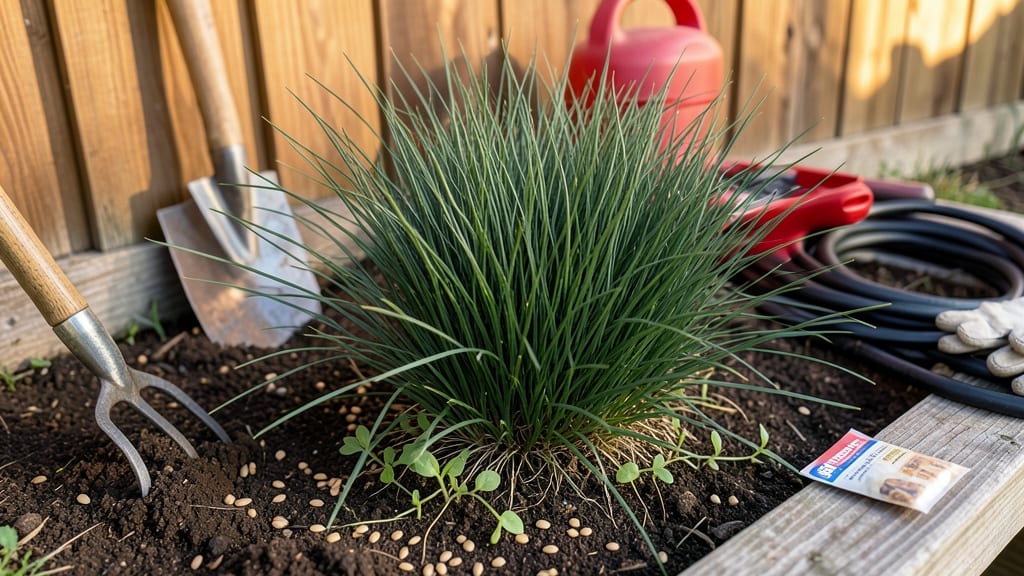
Timing your Bermuda grass seed planting in North Carolina can make or break your lawn’s success—get it wrong, and you’re staring at patchy growth or even total failure.
The late April to mid-May window isn’t just about avoiding frost; it’s about giving your grass the warm soil and steady moisture it craves to outpace weeds.
I’ve seen firsthand how a few weeks’ difference can turn a thriving lawn into a battleground. Whether you’re in the humid coastal plains or the drier Piedmont, knowing when the soil hits 65°F+ (and stays there) is the key to strong germination.
Let’s break down the exact timeline—and what to watch for—to ensure your Bermuda grass takes root like a pro.
Most gardeners assume “spring” is a one-size-fits-all answer, but NC’s 7a-8b zones have their own rules. Coastal areas like Wilmington can plant earlier, while the mountains near Asheville might need to wait until June. We’ll cover how to read your local frost-free signs and adjust for your microclimate.
Ready to skip the guesswork? You’ll leave here knowing not just when to plant, but how to prep your soil, water like a pro, and avoid the 3 biggest mistakes that kill Bermuda grass before it even starts. Let’s get that green lawn growing right.
Optimal planting timeline for NC: soil temperature & frost-free rules
Bermuda grass thrives in North Carolina’s warm climate, but planting it too early or late can ruin your chances of a thick, green lawn. The key is waiting for soil temperatures to consistently stay above 65°F—this triggers germination and gives seedlings the best shot at survival.
In most of NC (Zones 7a-8b), this typically aligns with late April to early June, but your exact window depends on your region’s last frost date and microclimate.
For example, if you plant too early—say, in March or early April—you risk frost damage or slow germination. Conversely, seeding in July or August exposes young grass to intense summer heat and drought, which can stress seedlings before they establish.
The sweet spot for most of NC is late May to early June, when soil warmth and rainfall patterns create ideal conditions.
How to check soil readiness: Use a soil thermometer (or a reliable weather app) to monitor temperatures at 4-inch depth. Bermuda grass seed won’t sprout until the soil hits 65°F for 5+ consecutive days. If your mornings are still dipping below 55°F, wait a few more weeks—patience here pays off with faster, stronger growth.
Another critical factor is NC’s last frost dates, which vary wildly across the state. The Coastal Plain (e.g., Wilmington) usually sees its last frost by mid-March, while the Mountains (e.g., Asheville) can experience frost as late as early May.
Even if the air is warm, ground frost can linger, so always verify with local data from sources like the NC State Climate Office.
Let’s break down the ideal planting timeline for NC, including soil temp thresholds, frost-free rules, and why late spring is your best bet for success. Understanding these details will help you avoid common mistakes and set your Bermuda grass up for a thick, drought-resistant lawn.
Bermuda Grass Planting Timeline for NC
| Stage | Action | Key Conditions |
|---|---|---|
| Early Spring (March) | Prep Soil | Test soil pH (6.0-6.5), add compost, remove debris |
| Late Spring (April-May) | Plant Seed | Soil temp ≥65°F, last frost passed, 6+ hours sun |
| Summer (June-July) | Establish Grass | Deep watering, mow at 1-1.5", avoid foot traffic |
| Fall (Sept-Oct) | Fertilize & Dethatch | Apply slow-release N, clear debris before dormancy |
| Winter (Nov-Feb) | Dormancy | Reduce watering, avoid fertilizing, protect from frost |
🌱 Pro Tip: Use a soil thermometer for accuracy—app data can lag behind real conditions.
If you’re in Zone 7a (western NC), aim for late May planting to avoid late frosts. For Zone 8b (Coastal Plain), you can start as early as mid-April, but monitor weather forecasts for unexpected cold snaps.
The Piedmont region (e.g., Raleigh, Charlotte) typically falls in the late April to early May window, making it the most flexible for gardeners.
One common mistake I see is gardeners rushing to plant as soon as the air temperature warms up, but soil temperature is what truly matters. For example, a 75°F air temp in April might still hide a 50°F soil, which will leave your seed dormant or rot.
Invest in a $10 soil thermometer—it’s the best way to avoid this pitfall and ensure your Bermuda grass gets off to a strong start.
Another pro tip: Bermuda grass is a warm-season grass, meaning it goes dormant in winter. If you plant in early spring (March-April), the grass may struggle to establish before summer heat arrives.
By planting in late spring, you give seedlings enough time to develop deep roots before the
Regional NC planting variations: coastal vs. Piedmont vs. mountains
North Carolina’s diverse geography means your Bermuda grass planting timeline should account for whether you’re in the humid coastal region, the hot Piedmont, or the cooler mountains.
These differences can shift your ideal window by 2-4 weeks, so let’s break it down by region to avoid planting too early or too late.
Coastal areas like Wilmington and Morehead City have milder winters and longer growing seasons. Here, you can start seeding as early as mid-April, but wait until soil temps hit 65°F+. The Piedmont (Raleigh, Charlotte) typically aligns with the state average, with late April to early May being ideal.
Mountain regions like Asheville and Boone often need to wait until early to mid-May due to cooler soils.
🌱
| Region | Last Frost Date | Ideal Planting Window | Key Adjustments |
|---|---|---|---|
| Coastal (Wilmington) | Mid-March | Mid-April to early May | Increase watering due to humidity |
| Piedmont (Raleigh) | Early April | Late April to early June | Watch for late frosts in valleys |
| Mountains (Asheville) | Late April | Early to mid-May | Soil stays cooler longer |
Microclimates also play a role. Urban areas like Charlotte can experience heat islands, where pavement and buildings raise temperatures by 5-10°F. This might let you plant 1-2 weeks earlier than rural areas.
Conversely, valleys in the mountains can hold frost longer, so monitor local weather forecasts or use a soil thermometer to confirm readiness.
Rainfall patterns vary too. Coastal regions often get consistent spring rains, reducing your need for supplemental watering. In the Piedmont, however, May can be dry, so plan to water 2-3x per week until germination.
Mountain areas might face late spring showers, which can delay planting if soils stay too wet.
For overseeding existing Bermuda, adjust timelines slightly. In coastal areas, you can overseed as early as late March, while mountain regions should wait until mid-May. This grass spreads aggressively, so timing helps it outcompete weeds before summer heat sets in.
🌿 Always double-check your local USDA Zone (NC ranges from 7a-8b) and use a soil thermometer ($10 at garden centers) to confirm 65°F+ soil temps. This small step can save you from patchy germination or frost damage.