
Plants
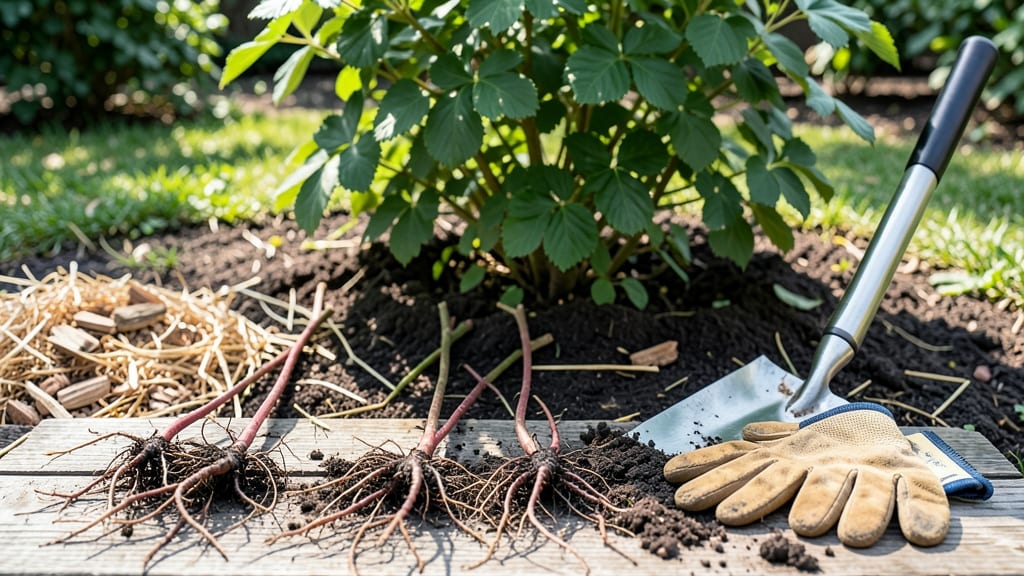
The perfect timing for planting blackberries in Georgia can mean the difference between a thriving 🫐 bush and one that struggles to survive. With Georgia's unique climate—hot summers and mild winters—you need to plant at just the right moment to avoid heat stress or disrupted dormancy.
Most gardeners in zones 7b-8b swear by two ideal windows: late winter to early spring (February-March) or fall (September-October). But why? Because blackberries need a balance of chilling hours and warm soil to establish strong roots before summer's intensity hits.
In this guide, I’ll break down exactly when to plant—whether you’re working with bare-root canes or potted plants—and how to prep your soil for maximum success. You’ll also learn how to avoid common mistakes that trip up even experienced growers.
Ready to grow blackberries that produce bigger harvests with fewer pests? Let’s get started with the timing that works best for your Georgia garden.
Georgia’s blackberry planting zones: chill-hour requirements by variety
Georgia’s climate—with its hot summers and mild winters—creates a unique challenge for blackberry growers. Unlike northern states, we don’t face harsh winters, but our chill-hour requirements still dictate the best planting windows.
Most of Georgia falls within USDA Zones 7b-8b, where varieties need between 200-1000 chill hours to thrive. Choosing the wrong variety can mean poor fruit set or weak canes.
In northern Georgia (Zone 7b), you’ll find slightly cooler winters with 400-600 chill hours, while southern Georgia (Zone 8b) sees fewer than 300 chill hours.
This means low-chill varieties like 'Arapaho' or 'Natchez' are better suited for southern regions, while traditional varieties like 'Chester' or 'Triple Crown' perform well in northern areas.
Timing your planting around chill-hour accumulation is key. Planting too early in Zone 8b can lead to premature bud break, while waiting too long in Zone 7b may delay dormancy. The ideal window balances root establishment before summer heat and chill-hour satisfaction before winter.
Here’s how Georgia’s microclimates break down for blackberry planting:
For northern Georgia (Zone 7b), focus on planting Chester or Triple Crown in late February to early March to ensure they receive enough chill hours before summer.
These varieties thrive with 500-800 chill hours, making them ideal for cooler microclimates like the Blue Ridge Mountains or North Georgia valleys.
In southern Georgia (Zone 8b), opt for low-chill varieties like 'Arapaho' or 'Natchez'. Plant these in September to early October to allow roots to establish before winter while avoiding premature bud break.
Southern regions, including Savannah or Columbus, benefit from these varieties due to their 200-500 chill hour needs.
If you’re unsure about your exact chill hours, check your local University of Georgia Extension Service or use a chill-hour calculator to match your microclimate. For example, Athens (Zone 8a) typically sees 400 chill hours, while Valdosta (Zone 8b) may only get 300.
This precision ensures your blackberries enter dormancy properly and produce sweeter, healthier fruit.
Pro tip: If you’re planting in containers or urban areas, consider heat-tolerant varieties like 'Ouachita' or 'Apache'. These handle Georgia’s summer heat spikes better and are great for small spaces where traditional varieties might struggle.
Finally, always plant bare-root canes in well-draining soil with a pH of 5.5-6.5. Mulch heavily to retain moisture and protect roots from summer heat stress. With the right variety and timing, your Georgia blackberry patch will reward you with juicy, flavorful berries for years to come. 🫐
Step-by-step planting timeline: when and how to maximize Georgia harvests
Georgia’s blackberry bushes thrive when planted during the ideal window of late winter to early spring (February-March) or fall (September-October). This timing ensures roots establish before summer heat or winter chills stress young plants.
For bare-root plants, aim for the dormant season—they’re easier to handle and less prone to transplant shock.
If you’re using potted blackberries, spring planting works too, but avoid extreme heat. Georgia’s last frost date (around March 15) signals the perfect time for spring planting—soil warms enough for root growth, but nights stay cool enough to prevent stress.
For fall planting, September-October gives roots 6-8 weeks to establish before winter dormancy begins.
📅 Step-by-Step Planting Timeline for Georgia
- Late Winter (Feb): Prepare soil by testing pH (5.5-6.5) and amending with compost. Order bare-root plants if not already sourced.
- Early Spring (March): Plant bare-root canes 2-3 inches deep, spacing 4-6 feet apart for airflow. Water deeply to settle soil.
- Spring (April-May): Mulch with 3-4 inches of straw to retain moisture. Fertilize with 10-10-10 NPK (1 cup per 10 sqft).
- Summer (June-August): Prune old canes after harvest. Water every 2-3 days during heatwaves to prevent drought stress.
- Fall (September-October): Plant potted blackberries or bare-root canes. Apply fall fertilizer to boost root growth before winter.
- Winter (November-February): Protect plants with mulch or row covers if temperatures drop below 20°F. Avoid pruning dormant canes.
For soil preparation, Georgia’s clay-heavy soils often need organic matter like compost or aged manure to improve drainage. Work in a 2-3 inch layer of compost 2-3 weeks before planting to let it integrate.
Blackberries prefer well-draining, slightly acidic soil—test your soil’s pH and adjust with sulfur or lime if needed.
After planting, water deeply (1-2 inches) to encourage root growth, but avoid waterlogging, which causes rot. In Georgia’s humid summers, mulching is key—it reduces weeds, retains moisture, and keeps roots cool. Use straw or pine needles (avoid wood chips, which can compact soil).
One critical tip for Georgia growers: prune correctly. Remove old canes after harvest (summer-fruiting varieties) or in late winter (fall-fruiting). Leave 2-3 strong canes per plant for next year’s growth. Thornless varieties like ‘Natchez’ need less aggressive pruning but still benefit from annual cleanup to improve airflow.
Finally, watch for pests like Japanese beetles or diseases such as anthracnose, common in Georgia’s heat and humidity. Apply organic sprays (neem oil) preventatively, and remove infected canes immediately to protect your harvest. With the right timing and care, your blackberries will thrive year after year! 🫐