
Plants
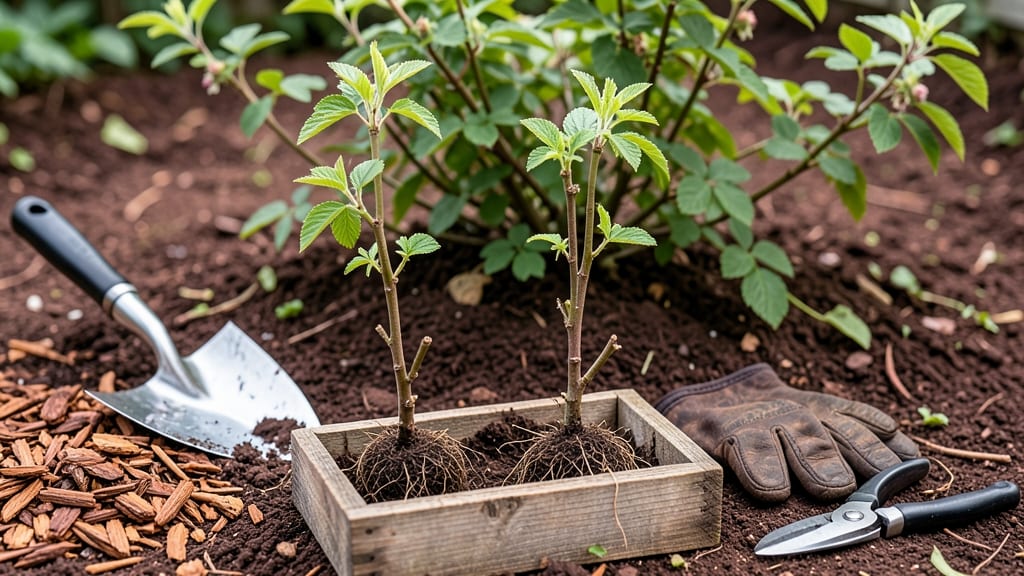
If you're dreaming of a backyard bursting with juicy 🫐 blackberries but live in Louisiana's sweltering climate, when to plant blackberries in Louisiana is the first key to success.
Planting at the wrong time can leave you with wilted canes or meager harvests instead of the sweet, plump berries you crave.
Louisiana's unique 8a-9b zones mean traditional planting windows won't cut it - you need a strategy tailored to our long, hot summers and humid air.
I've tested what works (and what doesn't) over years of growing in this climate, and the results speak for themselves: the right timing transforms your blackberry patch from a gamble into a guaranteed harvest.
Whether you're starting with bare-root plants or established canes, I'll show you exactly when to put them in the ground for maximum success. We'll cover both the classic late winter/early spring approach and the often-overlooked fall window that works surprisingly well here.
Get ready to discover the heat-tolerant varieties that thrive in our climate, plus the soil prep secrets that'll have your blackberries producing like crazy. Let's turn your Louisiana garden into a blackberry powerhouse!
Best months to plant blackberries in Louisiana’s climate zones
Louisiana’s climate—with its humid heat and long growing season—demands precise timing for blackberry planting. The ideal window is late winter to early spring (February-March) or fall (September-October), aligning with the state’s USDA zones 8a-9b.
This timing ensures roots establish before summer’s intense heat or winter’s occasional frosts.
For primocane varieties (like 'Arapaho'), fall planting is critical—they fruit on new canes, needing time to harden off before winter. Floricane types (like 'Natchez') thrive with spring planting, producing fruit on second-year canes. Miss these windows, and you risk heat stress or poor yield from weak root systems.
🌱 Pro Tip: Check your local last frost date (usually mid-February in Louisiana). Plant 4-6 weeks before to give roots time to anchor before summer’s 90°F+ temperatures hit.
| Planting Window | Best For | Why It Works | Louisiana Risk |
|---|---|---|---|
| Late Winter (Feb-March) | Floricane varieties | Cooler temps, moist soil for root growth | Late frosts (after Feb 15) |
| Fall (Sept-Oct) | Primocane varieties | Establishes roots before summer heat | Hurricane season delays |
| Early Spring (April) | Floricane (emergency) | Avoids summer stress | High heat, drought risk |
Southern Louisiana (Zone 9a) can push boundaries—plant primocanes in August for a fall harvest, but mulch heavily to retain moisture. Northern Louisiana (Zone 8a) should stick to traditional windows to avoid winter dieback from unexpected cold snaps.
💡 Key Adjustment: If planting in summer (June-July), choose bare-root plants over potted ones—they handle transplant shock better in heat. Water deeply every 2-3 days and use shade cloth for the first 2 weeks to reduce stress.
Avoid planting in: November (frost risk) or May (peak heat). These months stress plants, leading to poor fruiting or disease susceptibility. Instead, focus on soil prep during these times—amend clay soil with compost and install trellises for support.
🌡️ Heat Hack: Louisiana’s summer humidity (often 80%+) can cause botrytis rot. Space plants 6 feet apart and prune for airflow. Varieties like 'Ouachita' thrive here because they’re bred for heat tolerance and disease resistance.
**Post-Planting
Critical pre-planting steps to ensure Louisiana blackberry success
Louisiana’s clay-heavy soils and humid summers demand extra prep work before planting blackberries. Skipping these steps can lead to poor drainage, fungal diseases, or weak canes that struggle in the heat. Let’s cover the must-do prep to set your blackberries up for a thriving harvest.
First, test your soil’s pH—blackberries thrive in slightly acidic soil (5.5-6.5). Louisiana’s native soils often lean alkaline, so you may need to amend with sulfur or peat moss. A simple soil test kit (available at garden centers) will give you exact adjustments needed.
Next, focus on drainage. Blackberries hate soggy roots, so avoid low-lying areas where water pools. If your soil drains poorly, mix in compost or sand to loosen it. Raised beds are another great option for Louisiana’s heavy clay, as they improve airflow and warmth.
🚨 CRITICAL WARNING 🚨
- Planting too close—blackberries need 4-6 feet between canes for airflow and sunlight.
- Skipping mulch—Louisiana’s heat dries soil fast; mulch retains moisture and blocks weeds.
- Using untreated wood for trellises—rot in humidity can kill canes. Opt for metal or pressure-treated wood.
Install a strong trellis system before planting. Blackberries are vigorous climbers, and without support, canes flop in Louisiana’s summer storms. A T-bar or kniffin trellis works best—space wires 18-24 inches apart to guide canes upward and improve air circulation.
Finally, water deeply 1-2 weeks before planting to settle the soil. This reduces transplant shock when you plant. In Louisiana’s heat, drip irrigation is ideal—it delivers water directly to roots without wetting leaves (which can cause fungal issues like anthracnose).
With these steps, your blackberries will start strong—ready to handle Louisiana’s heat, humidity, and heavy rains for a bountiful harvest. Next, we’ll cover the top heat-tolerant varieties that thrive in this climate. 🌱