
Plants
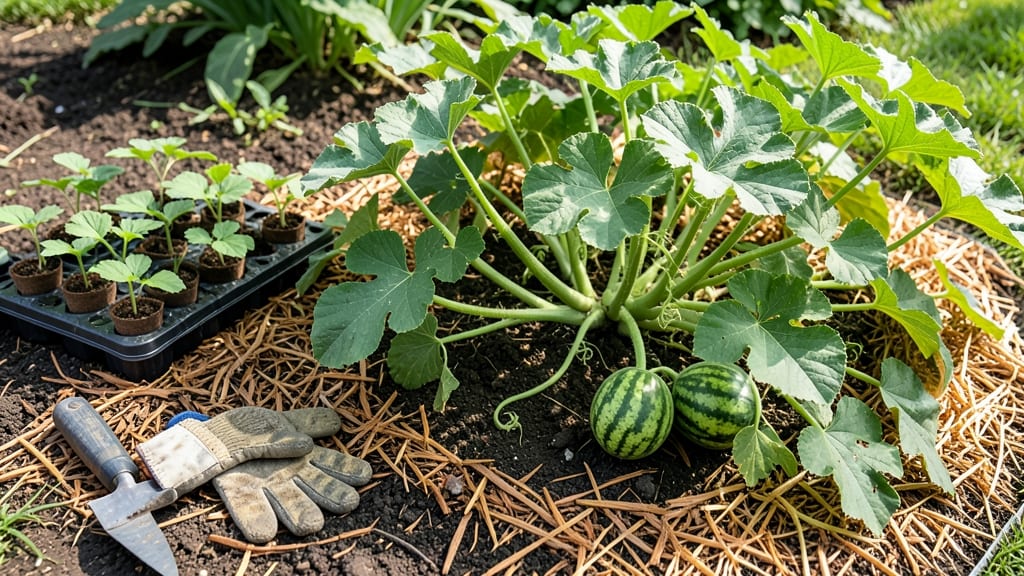
If you’ve ever dreamed of biting into a homegrown watermelon 🍉 sweeter than anything from the grocery store, when do you plant watermelons in Alabama?
The answer lies in timing it right—the state’s climate is your secret weapon, but only if you align your planting with frost-free dates and soil warmth, which shift dramatically from North to South.
For most gardeners in USDA Zones 7b-8b, the ideal window opens in late April to early May, once soil temperatures hit at least 70°F. This aligns perfectly with Alabama’s typical last frost around March 15, giving vines 3-4 months to mature before summer’s relentless heat.
But don’t just guess—local Extension offices recommend waiting until nighttime temps stay above 55°F consistently.
Here’s what you’ll discover: why direct-sowing beats indoor starts for watermelons, how black plastic mulch can shave weeks off your growing season, and the heat-tolerant varieties that thrive in Alabama’s humidity.
We’ll also cover pro tips to extend your harvest into September, so you’re not left with empty vines when summer’s peak ends.
Ready to grow watermelons that rival the pros? Let’s break down the exact deadlines, soil prep secrets, and variety choices that’ll turn your Alabama garden into a sweet, juicy success story.
Alabama watermelon planting calendar: exact dates by region & microclimate
Alabama’s diverse climate means planting dates vary dramatically from the cooler North Alabama mountains to the warmer Gulf Coast. In North Alabama (USDA Zone 7b), where last frost averages April 15, you’ll want to wait until mid-May for soil to warm.
Meanwhile, Central Alabama (Birmingham, Zone 7b-8a) can start as early as late April, while South Alabama (Mobile, Zone 8b) often sees frost-free soil by March 15—perfect for early starts.
Soil temperature is the critical factor—watermelons need 70°F+ soil to germinate. Use a soil thermometer to confirm before planting. In higher elevations, even May can be too chilly, while coastal areas may see 80°F+ soils by March.
This regional spread means no single "best" date—just a flexible window based on your microclimate.
🌱
For container growing, extend your season by 2-3 weeks—pots warm faster than soil. Fill containers with heat-retaining mix (50% compost, 50% coco coir) and place them on black plastic trays to boost soil temps.
I’ve seen South Alabama gardeners plant as early as February 15 in containers with row covers, but this requires greenhouse-like conditions to prevent cold damage.
If you’re direct-sowing seeds (the preferred method for watermelons), aim for 2-3 weeks after your last frost date. Seeds take 7-10 days to sprout at 70°F, so don’t rush—patience prevents transplant shock.
For transplants, buy 4-inch seedlings from nurseries in early May (North AL) or late April (South AL) and harden them off for 5-7 days before planting.
🌿
Alabama’s humidity and heat create a double-edged sword: while the long growing season is ideal, fungal diseases like powdery mildew thrive in sticky conditions. To mitigate risks, I recommend raising beds 6-12 inches to improve drainage and mulching with straw to keep leaves dry.
In North Alabama, where nights stay cooler, use row covers until soil warms to 75°F to accelerate vine growth.
For succession planting, make a second sowing in early June—this ensures harvests through September before fall rains increase. Choose shorter-day varieties (like Sugar Baby) for late plantings, as they mature faster in Alabama’s shorter summer days compared to long-day varieties (e.g., C
Best heat-tolerant watermelon varieties for Alabama’s humid climate
Alabama’s humid summers and intense heat demand watermelon varieties that can handle both without wilting or developing diseases. I’ve grown these top 5 heat-tolerant varieties here, and they consistently deliver sweet, juicy fruit even in our stickiest weather.
The key is choosing disease-resistant types that thrive in USDA Zones 7b-8b while maturing quickly before fall rains arrive.
For fast harvests, prioritize varieties with 60-75 days to maturity—this ensures you beat Alabama’s first frost (typically November 15). My go-to is ‘Sugar Baby’, a compact bush type that matures in 70 days and resists powdery mildew, a common issue in Alabama’s humidity.
If you prefer larger melons, ‘Crimson Sweet’ (80 days) handles heat well but needs strong trellising to support its 15-20 lb fruits.
🌱 Pro Tip: Always check seed packets for disease resistance codes—look for PM (powdery mildew) and VM (fusarium wilt) ratings. Alabama’s clay-heavy soils often harbor these pathogens, so resistant varieties save time and frustration.
| Variety | Days to Maturity | Size | Heat Tolerance | Disease Resistance | Best For |
|---|---|---|---|---|---|
| Sugar Baby | 70 days | 4-8 lbs | ⭐⭐⭐⭐⭐ | PM, VM | Small gardens, containers |
| Crimson Sweet | 80 days | 15-20 lbs | ⭐⭐⭐⭐ | PM | Large yields, trellising |
| Jubilee | 75 days | 20-30 lbs | ⭐⭐⭐⭐⭐ | PM, VM | Sweetest flavor, heat waves |
| Charleston Gray | 85 days | 10-15 lbs | ⭐⭐⭐⭐ | PM, VM | Long seasons, heirloom |
| Black Diamond | 70 days | 12-18 lbs | ⭐⭐⭐⭐⭐ | PM, VM, CW | ★★★★★5.0(3 reviews) |