
Plants
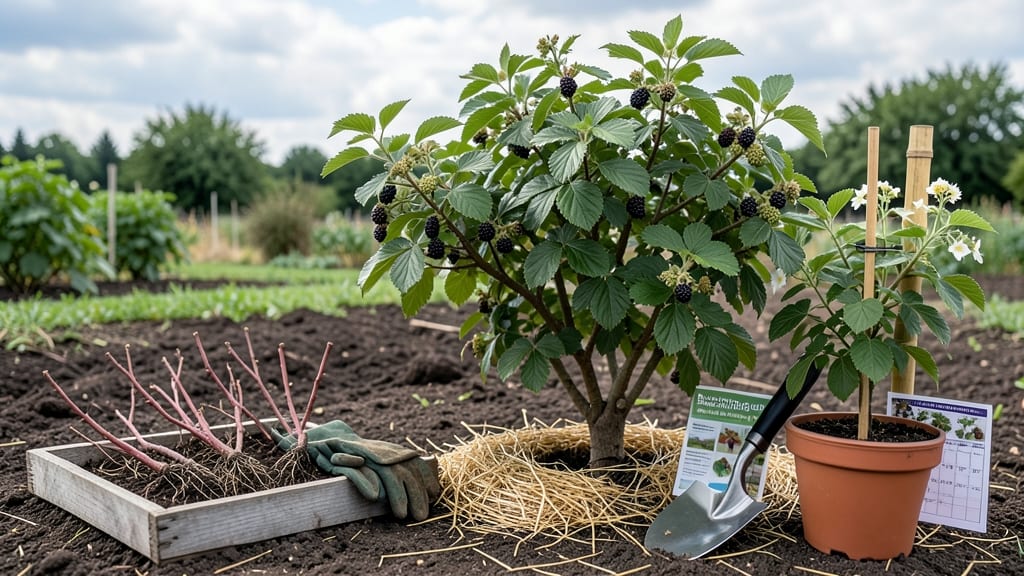
If you’ve ever planted blackberries 🍇 in Oklahoma only to watch your canes struggle or fail entirely, timing is likely the culprit. Getting those roots in the ground during the right window—whether it’s late winter or early fall—makes all the difference between a thriving bramble and a disappointing flop.
The key to success in Oklahoma’s 6a-8a zones lies in matching your blackberry variety to the chill hours your region provides. Too early, and frost zaps your young plants; too late, and they won’t establish strong roots before winter.
I’ll break down the exact months to plant—plus how to prep your soil and pick the right varieties—so you can finally enjoy that sweet, juicy harvest you’ve been dreaming of.
Let’s start with the most critical step: knowing when to plant. Whether you’re working with bare-root canes or transplants, the window is narrow but doable.
I’ll walk you through the best times for your specific Oklahoma zone, so you can avoid common mistakes and set your blackberries up for a bountiful first season.
Ready to turn your patch of land into a blackberry goldmine? Grab your gloves—we’re diving into the details that’ll have your canes thriving by next summer.
Oklahoma’s chill-hour zones and best planting months for blackberries
Oklahoma’s climate spans USDA zones 6a-8a, meaning chill-hour requirements (400-1000 hours below 45°F) vary dramatically from north to south. This variation directly impacts when you should plant blackberry canes—getting the timing wrong can lead to poor establishment or winter damage.
The key is matching your local chill hours with the right planting window.
Southern Oklahoma (zones 7b-8a) typically has fewer chill hours (500-700), while northern Oklahoma (zones 6a-6b) accumulates 800-1000 chill hours annually. This means spring planting works well in southern regions, but northern gardeners should plant in late winter or early fall to avoid late-season frost risks.
For most of Oklahoma, the ideal planting window is February through March (bare-root canes) or September through October (potted plants). Planting in late winter gives roots time to establish before summer heat, while fall planting (6-8 weeks before frost) allows canes to root before dormancy.
Here’s how Oklahoma’s chill-hour zones break down for blackberry planting:
In northern Oklahoma, where winters are colder, planting bare-root canes in late February ensures roots establish before summer heat. Meanwhile, southern Oklahoma’s milder winters allow for March-April planting without frost risk.
For fall planting, aim for September-October—this gives canes 6-8 weeks to root before the average first frost (November 15).
Always check your local frost dates (use the National Weather Service or Old Farmer’s Almanac) and avoid planting when soil temperatures drop below 50°F. Cold soil slows root growth and increases disease risk. Use a soil thermometer to confirm conditions before planting.
Pro tip: If you’re in zone 7a or warmer, consider thornless varieties like ‘Arapaho’ or ‘Navaho’, which thrive with 600-800 chill hours and produce fruit earlier in the season. These varieties are also better suited for urban gardens with limited space.
For rural or large-scale plantings, aim for late winter planting (February) to maximize summer fruit production. If you’re in zone 6a, prioritize fall planting in September to avoid spring frost damage to emerging canes.
Remember: Blackberries need well-draining soil and full sun (6-8 hours daily). Test your soil’s pH (5.5-6.5) and amend with compost or peat moss if needed. Mulch heavily after planting to retain moisture and regulate soil temperature.
Timing is everything—plant at the right time, and you’ll enjoy juicy, sweet blackberries from May through August for years to come! 🍇
Oklahoma’s chill-hour zones and best planting months for blackberries
Oklahoma’s 6a-8a USDA zones create a unique challenge for blackberry growers because chill-hour requirements vary dramatically across the state. In southern Oklahoma (7a-8a), where winters are milder, you can plant as early as late February, while northern Oklahoma (6a) demands a later window—mid-March—to avoid frost damage.
The key is matching your variety’s chill-hour needs (typically 400-1000 hours) to your local climate.
For most of Oklahoma, early spring (February-March) is the prime planting window because soil temperatures rise above 50°F, and frost risks decrease. However, fall planting (September-October) also works if you choose varieties with lower chill requirements, like ‘Arapaho’ or ‘Navaho’.
The goal is to give roots 6-8 weeks to establish before winter dormancy sets in.
Here’s how Oklahoma’s zones break down for planting:
| Zone | Chill Hours | Best Planting Window | Soil Temp Requirement |
|---|---|---|---|
| 6a (Northern OK) | 800-1000 hours | Mid-March to early April | Above 50°F |
| 7a (Central OK) | 600-800 hours | Late February to March | Above 50°F |
| 8a (Southern OK) | 400-600 hours | Late February to early March | Above 50°F |
If you’re planting in fall (September-October), focus on varieties like ‘Ouachita’ or ‘Prime-Ark Freedom’, which thrive with fewer chill hours. Always check your local last frost date—Oklahoma’s ranges from March 15 (south) to April 1 (north)—and plant at least 6 weeks before to avoid winter stress.
Pro tip: Use a soil thermometer to confirm temperatures are consistently above 50°F before planting. Cold soil slows root growth, leaving your blackberries vulnerable to winter die-off. In northern Oklahoma, consider using row covers for early spring plantings to protect young canes from late frosts.
Timing isn’t just about months—it’s about microclimates. Urban areas in Oklahoma City may warm up faster than rural fields in Panhandle regions, so adjust your schedule based on your specific location.
Once you’ve nailed the planting window, the next step is choosing the right variety for your zone—we’ll cover that in the next section.