
Plants
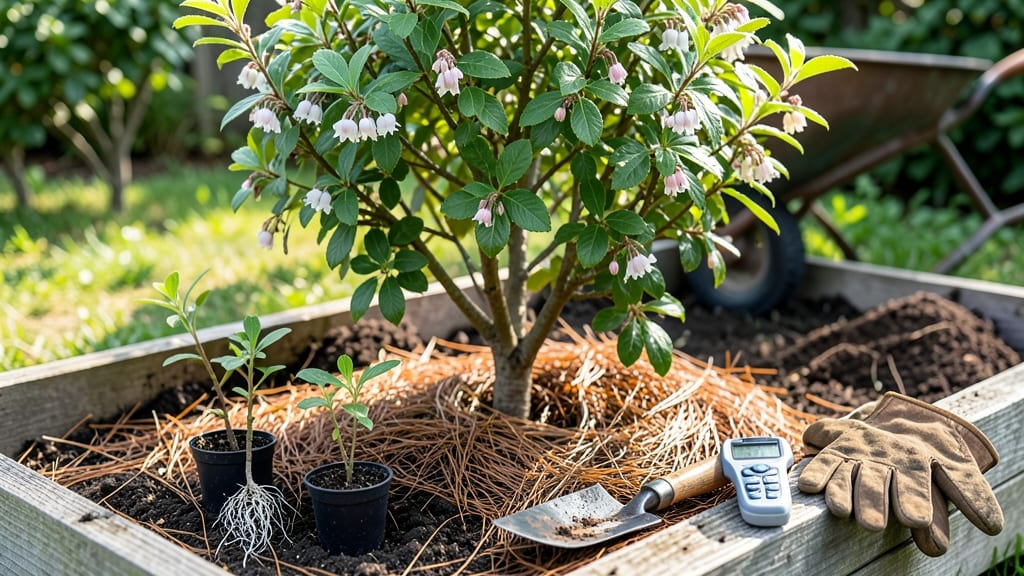
Timing your blueberry 🫐 planting in Utah isn’t just about the calendar—it’s about matching the plant’s chill-hour needs to your local climate. With Utah’s dramatic temperature swings, getting this right means the difference between a bountiful harvest and struggling shrubs.
Most Utah gardeners plant blueberries in late April or early June, but your elevation and microclimate play a huge role. Whether you’re in the Wasatch Front or a high-desert region, understanding chill hours—those critical cold periods the plant needs to fruit—is the key to success.
In this guide, I’ll break down exactly when to plant blueberries in Utah, from container setups to in-ground beds, and how to adjust for Utah’s unpredictable frost dates. You’ll learn which varieties thrive best in your zone and how to protect your plants from late frosts or scorching summer sun.
Ready to grow blueberries that produce year after year? Let’s get started with the perfect planting window for your Utah garden.
Utah’s best blueberry planting months by elevation and chill hours
Utah’s diverse elevations—from the Wasatch Front’s 4,200 feet to mountain valleys at 7,000+ feet—create wildly different planting zones for blueberries. The last frost date shifts dramatically: Salt Lake City averages April 15, while Park City can see frost into May 15.
Matching your planting window to these zones ensures your blueberries thrive.
Most Utah gardeners plant in late spring (May-June) after the last frost, but fall planting (September-October) works in warmer microclimates like St. George (Zone 8). The key is chill hours: Utah’s northern regions need 600-800 chill hours, while southern areas thrive with 400-500 chill hours.
| Region | Elevation | Last Frost | Best Planting Window | Chill Hours Needed | Top Varieties |
|---|---|---|---|---|---|
| Northern Utah (e.g., Ogden, Logan) | 4,000–6,000 ft | April 1–May 15 | May 15–June 15 | 600–800 hours | Bluecrop, Jersey, Patriot |
| Wasatch Front (Salt Lake City, Provo) | 4,200–5,000 ft | April 10–May 1 | May 1–June 10 | 500–700 hours | Duke, Legacy, Aurora |
| Southern Utah (St. George, Cedar City) | 2,800–6,000 ft | March 1–April 15 | April 1–May 15 (or Sept–Oct) | 400–500 hours | Top Hat, Sunshine Blue, Emerald |
| High Mountain (Park City, Heber) | 6,000–9,000 ft | May 1–June 1 | June 1–July 1 | 800–1,000 hours | Jersey, Bluegold, Darrow |
For container planting, extend your window by 2–4 weeks earlier—containers warm faster and can be moved to sheltered spots. Just ensure pots have drainage holes and use acidic potting mix (pH 4.5–5.5).
In high-desert areas, mulch heavily with pine needles or wood chips to retain moisture and mimic natural forest conditions.
If you’re in a warmer microclimate (e.g., Spanish Fork or Lehi), consider fall planting in September**. This gives roots time to establish before winter, but avoid planting after October 1—new growth won’t harden off before frost. Always check your local USDA Zone and microclimate for precise timing.
Pro tip: Use a soil thermometer to confirm the ground is above 45°F (7°C) before planting. Cold soil can shock roots, even if air temperatures are mild. Pair this with a frost date tracker (like the National Weather Service’s Utah alerts) to stay ahead of late frosts.
For urban gardeners in Salt Lake City or Park City, late May is ideal—it balances warm soil and reduced frost risk. In rural areas with later frosts (e.g., Richfield or Price), wait until June 1 or use row covers for added protection.
Remember: Blueberries need 6+ hours of sun daily, so avoid shady spots, even if the frost risk is lower. In high-altitude areas, supplement with a grow light if natural sunlight drops below 5 hours in summer.
Finally, test your soil’s pH before planting—Utah’s alkaline soils often need sulfur or peat moss to reach the ideal 4.5–5.5 range. A quick home pH test kit ($10–$15) saves time and ensures your blueberries won’t suffer from nutrient lockout.
Utah’s best blueberry planting months by elevation and chill hours
Utah’s diverse elevations—from the high desert’s 4,000 feet to mountain valleys at 9,000 feet—create wildly different planting windows for blueberries. Most Utah gardeners should aim for late April to early June, but your exact timing depends on chill hours and last frost dates.
For example, Salt Lake City’s 600–800 chill hours suits varieties like Bluecrop, while St. George’s 300–500 chill hours demands low-chill types like Top Hat.
Spring planting is ideal for Utah’s USDA Zones 5–7, as it gives roots time to establish before summer’s heat. However, fall planting (September–October) works in warmer microclimates like Southern Utah, where frost arrives later.
Always wait until soil temperatures rise above 45°F—a critical rule for Utah’s unpredictable swings.
Here’s how to match your location to the perfect planting window:
For container growers, extend your window by planting 1–2 weeks earlier—pots warm up faster than in-ground soil. Just ensure your containers have drainage holes and use acidic potting mix (pH 4.5–5.5).
In high-elevation areas like Park City, delay until after May 15 to avoid late frosts, which can kill young plants.
Pro tip: Check Utah’s Almanac frost dates or local Cooperative Extension offices for real-time updates. For example, Provo’s last frost often hits April 20, while Moab’s can linger until May 10.
Planting too early risks frost damage, while waiting too long may stress plants before summer’s heat sets in.
If you’re in a transition zone (e.g., Heber Valley), opt for semi-dwarf varieties like Legacy, which handle 500–900 chill hours and mature faster. Always mulch with pine needles or wood chips to retain moisture and simulate acidic forest floors—blueberries love that environment!