
Plants
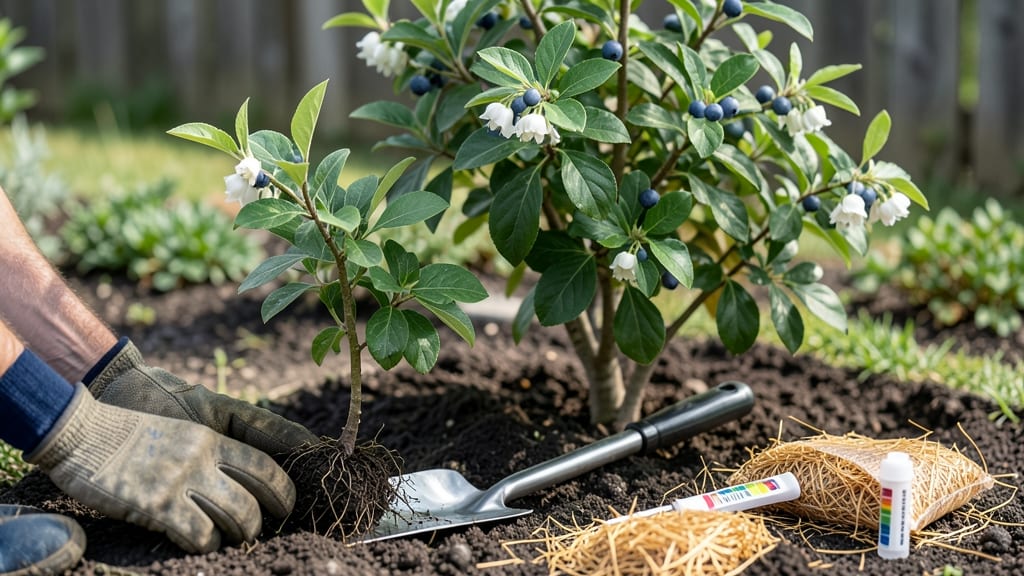
Timing your blueberry bush planting in Alabama is the difference between a thriving 🫐 harvest and a struggling shrub fighting the heat. With Alabama’s unique climate—where 7a-8b zones bring both mild winters and scorching summers—getting the window right is everything.
Most gardeners assume spring is the only option, but fall planting offers cooler soil and fewer pests. Whether you’re in northern Alabama’s cooler microclimates or the southern heat zones, the ideal window stretches from late winter to early spring or October to November.
This guide breaks down the exact months that work best for your specific chill-hour needs.
You’ll also discover how to prep your soil for Alabama’s acidic-loving blueberries and avoid common mistakes that derail growth. From choosing the right variety to protecting young roots, these steps ensure your bushes establish strong before the first frost hits.
Ready to grow juicy, homegrown blueberries? Let’s dive into the perfect planting schedule tailored for Alabama’s climate—so you can enjoy that first harvest in April or May.
Best planting months in Alabama by USDA zone & chill-hour needs
Alabama’s USDA zones 7a–8b create unique challenges for blueberry bushes—too much heat can stress young plants, while late planting risks winter damage. The ideal window spans from late fall to early spring, but your exact timing depends on your chill-hour needs and local microclimate.
Northern Alabama (zones 7a–7b) has cooler winters, allowing higher-chill varieties like Northern Highbush, while southern Alabama (zones 8a–8b) thrives with low-chill Southern Highbush types. Both regions benefit from fall planting (October–November) or early spring (February–March) to avoid summer heat stress.
Here’s how to match your zone, chill hours, and planting window for success:
Fall planting (October–November) gives roots 6–8 weeks to establish before winter, while spring planting (February–March) avoids summer heat but requires consistent moisture during Alabama’s dry spells. Zone 8b gardeners should prioritize fall planting to prevent heat stress in young bushes.
For container-grown blueberries, extend your window slightly—potted plants handle late-winter planting (March) better due to controlled root zones. Just ensure containers have drainage holes and use acidic potting mix (pH 4.5–5.5).
Pro tip: Check your last frost date (typically March 15 in North AL, February 28 in South AL). Plant 4–6 weeks before to avoid frost damage to tender new growth.
Alabama’s unpredictable winters mean some years bring early frosts. If planting in late winter (March), use row covers or mulch heavily to protect roots from temperature swings. Southern Highbush varieties (like ‘Southern Belle’) handle this best.
Remember: Soil temperature matters too. Roots struggle to grow in soil below 40°F. Use a soil thermometer to confirm conditions are ideal—aim for 50–60°F for best root development.
🌱
Critical pre-planting steps for Alabama’s heat & soil challenges
Alabama’s clay-heavy soils and intense summer heat demand extra prep work before planting blueberry bushes. Without proper soil prep, your plants will struggle to thrive, even during the ideal planting window of October–November or February–March.
Start by testing your soil’s pH level—blueberries need acidic soil (pH 4.5–5.5) to absorb nutrients effectively.
If your soil tests too alkaline, amend it with sulfur or peat moss mixed into the top 12 inches of soil. This step is non-negotiable in Alabama, where natural soil pH often skews toward neutral or alkaline.
For container planting, use a pre-mixed acidic potting soil designed for ericaceous plants like blueberries.
Next, focus on mulching to protect roots from extreme heat and winter freezes. Use organic mulch like pine straw or wood chips (avoid cedar chips, which can lower pH too much).
Apply a 3-inch layer around the base of the plant, keeping it 2 inches away from the stem to prevent rot.
Watering schedules in Alabama require adjustments for heatwaves. Before planting, install a drip irrigation system or soaker hose to deliver 1–1.5 gallons of water per plant weekly.
In summer months (June–August), increase frequency to every 5–7 days and water early in the morning to reduce evaporation and fungal risks.
Finally, choose your planting fall vs. spring window wisely. Fall planting (October–November) gives roots time to establish before summer heat, while spring planting (February–March) risks heat stress if done too late. In USDA Zone 8b (southern Alabama), prioritize fall planting for best results.
With these steps, your blueberry bushes will thrive in Alabama’s challenging climate, yielding sweeter, larger berries year after year. Don’t skip the soil prep—it’s the foundation for success! 🌱