
Plants
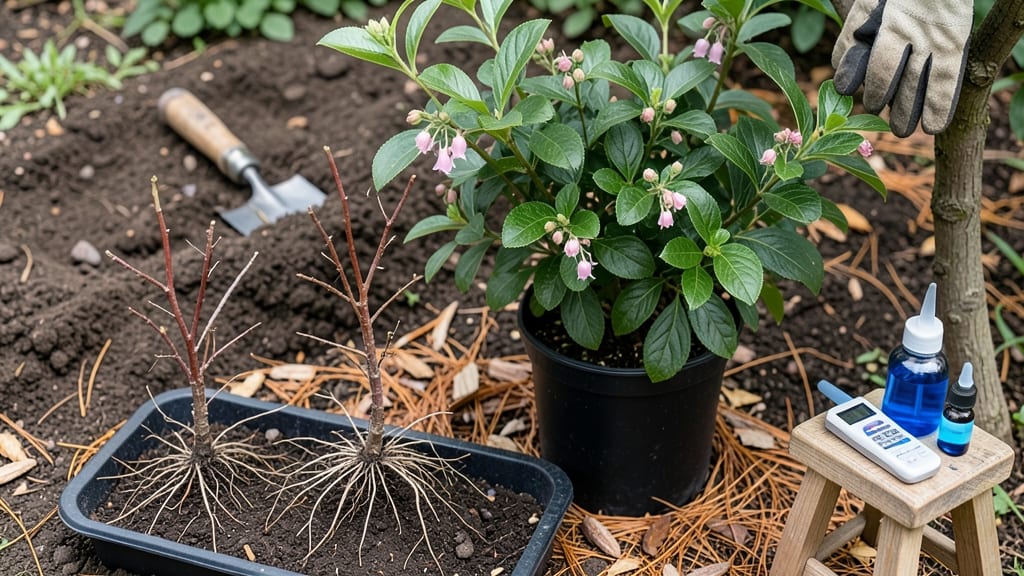
Timing your blueberry planting in Zone 5 could mean the difference between a thriving 🫐 bush and one that struggles to produce fruit. Unlike many plants, blueberries are picky about when they go into the ground—get it wrong, and you might miss out on that sweet summer harvest entirely.
Here's the deal: Zone 5's chill hours (typically 500-1,000) play a huge role in determining the best planting window. Whether you're planting bare-root bushes in early spring or container-grown plants in fall, the right timing ensures your blueberries get the cold they need to set fruit properly.
I've seen gardeners in Zone 5 rush planting too early, only to watch their bushes suffer from late frosts or fail to establish roots before winter. The good news? With the right approach, you can avoid these common pitfalls and set your blueberries up for success.
In this guide, I'll walk you through the ideal planting windows, soil prep tips, and how to match your blueberry variety to Zone 5's climate. Let's get those bushes in the ground the right way—so you can enjoy a bountiful harvest come July or August.

Best planting windows for blueberries in Zone 5: chill-hour breakdown
Blueberries thrive in Zone 5 when planted during their optimal chill-hour windows, which range from 500 to 1,000 hours below 45°F. This cold requirement ensures proper flower bud formation and fruit set.
In Zone 5, we naturally meet these needs, but timing matters—plant too early, and roots struggle; too late, and late frosts can damage new growth.
Zone 5 spans from northern Minnesota to southern New Jersey, with sub-zones 5a (coldest) to 5b (milder). Your exact last frost date (typically mid-May) and first frost (mid-October) dictate the best planting windows.
For most of Zone 5, early spring (April) or fall (September) are ideal, but let’s break down why each works best.
📅 Zone 5 Blueberry Planting Comparison
| Planting Window | Best For | Chill Hours Met? | Root Establishment | Frost Risk |
|---|---|---|---|---|
| Early Spring (April) | Bare-root plants, faster growth | ✅ Yes (accumulated over winter) | ⭐⭐⭐⭐ (6 months to establish) | Moderate (late frosts possible) |
| Fall (September) | Container-grown, slower start | ✅ Yes (winter chill satisfied) | ⭐⭐⭐ (4-5 months to establish) | Low (roots harden before frost) |
| Late Spring (May) | Emergency planting only | ❌ No (chill hours unmet) | ⭐ (Struggles to establish) | High (new growth vulnerable) |
💡 Pro Tip: For northern Zone 5 (5a), prioritize fall planting—warmer soils aid root growth before winter. In southern Zone 5 (5b), early spring minimizes late frost damage.
If you’re planting in early spring (April), aim for 2-4 weeks before your last frost date. This gives roots time to establish before soil warms above 50°F, triggering growth.
For fall planting (September), schedule 6-8 weeks before your first frost—roots need time to harden before winter dormancy.
One common mistake is assuming container-grown blueberries can be planted later. While they adapt better to transplant shock, they still need 6-8 weeks of root establishment before winter. If you miss the fall window, wait until next spring—rushing leads to stunted growth and poor fruit production.
For bare-root plants, spring planting is ideal because dormant roots wake up with the soil. Soak roots in water for 2-4 hours before planting to reduce shock. If you plant in fall, mulch heavily (4-6 inches) to insulate roots from temperature swings and prevent heaving.
Microclimates matter in Zone 5! If your yard has a south-facing slope, it warms faster—plant 1-2 weeks earlier in spring. Conversely, low-lying areas stay colder longer; delay spring planting by 1 week to avoid frost damage. Always check your local frost calendar for precise timing.
Remember: Chill hours ≠ frost tolerance. Blueberries need cold exposure to set buds, but late frosts after bud break can kill flowers. In Zone 5b (milder areas), consider late-blooming varieties like 'Patriot' to avoid frost risks.
In Zone 5a (colder areas), prioritize early-blooming types like 'Bluecrop' to ensure chill hours are met.
Finally, test your soil pH before planting—blueberries demand acidic soil (pH 4.5-5.5). If your soil is too alkaline, amend it with peat moss or sulfur 4-6 weeks before planting. This prep ensures your chill-hour investment pays off with healthy bushes and sweet berries.
Best planting windows for blueberries in Zone 5: chill-hour breakdown
Zone 5 gardeners face a unique challenge with blueberries: chill hours (500-1,000) must align with variety selection. Native northern highbush varieties thrive here, but timing ensures root establishment and fruit set.
I’ve planted both spring and fall bushes—spring gives roots a full season to settle, while fall plants benefit from cooler temps and winter moisture.
Your last frost date (typically mid-May in Zone 5) signals the ideal spring planting window. For fall, aim to plant 6-8 weeks before first frost (mid-September). Early spring planting (March-April) lets roots establish before summer heat, while fall planting avoids drought stress during summer months.
🌱 Blueberry Planting Windows in Zone 5
| Season | Best Months | Chill Hours Met? | Key Consideration |
|---|---|---|---|
| Spring | March-April | ✅ Yes (accumulating) | Roots establish before summer heat |
| Fall | September | ✅ Yes (completed) | Avoids drought stress; winter moisture helps |
| Avoid | May-June | ❌ No (heat stress risk) | Transplant shock + summer drought = poor survival |
Northern Zone 5 gardeners (e.g., Minnesota, Wisconsin) should prioritize early spring planting (March) to maximize chill hours before summer. Southern Zone 5 (e.g., Ohio, Pennsylvania) can extend fall planting to early October, but avoid planting after October 15—roots need time to establish before frost.
For bare-root plants, soak roots in water for 2-4 hours before planting to reduce transplant shock. Container-grown bushes can plant year-round, but still follow chill-hour rules. I’ve seen container plants struggle in Zone 5 winters unless buried in mulch or moved to protected spots.
Watch for late frosts after planting—cover young bushes with frost cloth if night temps drop below 28°F. My Patriot variety survived a late April frost last year because I planted it in a slightly sheltered microclimate near the house foundation.
Pro tip: Use a planting calendar to track chill hours. Apps like Gardenate provide local frost dates for precise timing. Remember, acidic soil (pH 4.5-5.5) is non-negotiable—test yours before planting to avoid years of poor yields.