
Plants
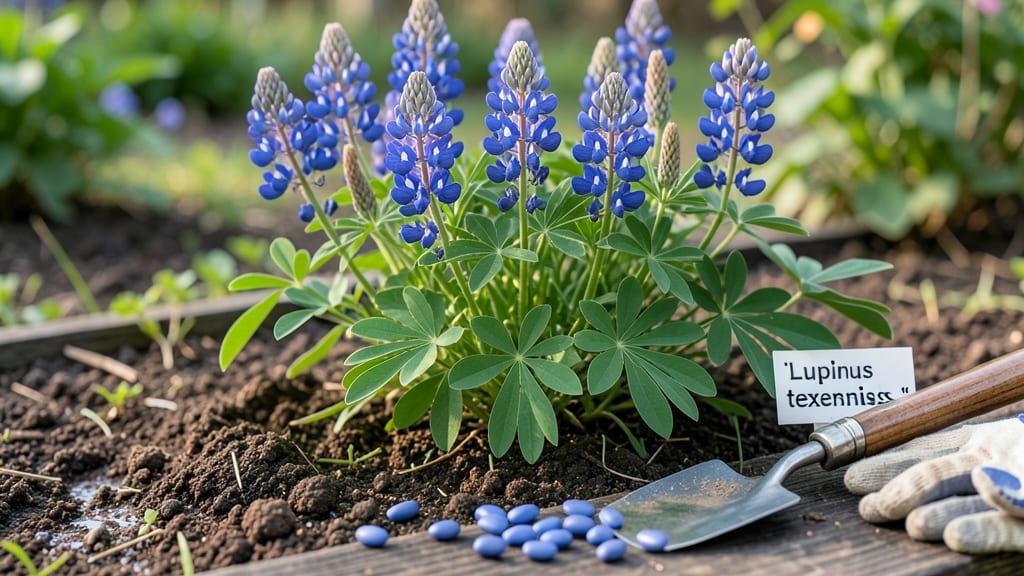
If you’ve ever dreamed of waking up to a sea of bluebonnet blooms 🌸 blanketing your North Texas landscape, timing your seed planting is the single most important factor—get it wrong, and you’ll end up with sparse patches or no blooms at all.
Here’s the hard truth: planting too early risks seeds rotting in warm soil, while waiting too late means they won’t germinate before winter’s chill sets in. The exact 6-10 week window before your last frost (typically late September to October) is your golden opportunity for success.
I’ve seen firsthand how North Texas’ unique climate—with its unpredictable frost dates and alkaline soils—can make or break a bluebonnet patch.
Whether you’re in DFW, Wichita Falls, or East Texas, this guide breaks down the precise timing and prep work you need to ensure thick, vibrant carpets of blue by spring.
Let’s dive into the step-by-step strategy that’s worked for local gardeners, including soil tricks, seed depth secrets, and how to handle our region’s tricky microclimates—so you can finally get those dreamy bluebonnet meadows you’ve been waiting for.
North Texas bluebonnet planting timeline: exact weeks before last frost by region
Timing your bluebonnet seeds correctly is the secret to those iconic Texas blue carpets in spring. North Texas' USDA zones 7b-8b create microclimates where a 2-week difference can mean the difference between full blooms and bare soil.
Let's break down the exact planting windows by region, using your last frost dates as our guide.
For DFW and surrounding areas, aim to plant 6-10 weeks before your average last frost (typically mid-November). This means your ideal window falls between late September and early October. The key is to give seeds time to germinate before winter dormancy sets in.
In Wichita Falls and the Panhandle region, where frosts arrive slightly earlier, shift your window 1-2 weeks earlier. Plant between mid-September and late September to account for their earlier last frost dates (often early November).
East Texas gardeners in Longview or Tyler have a slightly longer window due to milder winters. Focus on late September to mid-October, as their last frosts typically occur mid-to-late November. This extra time allows for more flexibility in your planting schedule.
| Region | Last Frost Date | Planting Window | Weeks Before Frost |
|---|---|---|---|
| DFW Metroplex | Mid-November | Late Sept - Early Oct | 6-8 weeks |
| Wichita Falls | Early November | Mid-Sept - Late Sept | 7-9 weeks |
| East Texas (Longview) | Late November | Late Sept - Mid-Oct | 7-10 weeks |
| Panhandle (Amarillo) | Early November | Mid-Sept - Early Oct | 6-8 weeks |
Remember that bluebonnets need cold stratification to germinate properly. Planting too early (like August) can lead to premature sprouting that gets killed by summer heat. Conversely, planting too late (after October) risks seeds not establishing roots before winter dormancy.
Pro tip: Use local weather data from your specific area. Check the National Weather Service or Texas A&M AgriLife Extension for your 30-year average frost dates. These can vary by 5-7 days even within the same city due to urban heat islands or elevation changes.
For gardeners in higher elevations (like the Hill Country), add 1-2 extra weeks to your planting window. Cooler nights in these areas mean seeds may need that additional time to establish before winter sets in.
If you're unsure about your exact frost dates, use October 1st as a safe default. This gives you a 6-week buffer before the average last frost in most of North Texas. Just be ready to cover seedlings with frost cloth if an early cold snap hits.
Finally, consider microclimates in your yard. Areas near stone walls, buildings, or trees may experience earlier frosts or warmer pockets. Plant seeds in these spots 1 week earlier or later accordingly to account for these variations.
With these region-specific timelines, you'll be well on your way to creating those dreamy bluebonnet meadows that make Texas so special. Just remember: patience is key—these seeds need time to establish before spring blooms appear. 🌸
Bluebonnet seed planting preparation: soil, depth, and spacing secrets for North Texas
Before scattering those bluebonnet seeds, North Texas soil needs special attention. Our clay-heavy soils often compact easily, and alkaline pH levels can stunt germination. Start by testing your soil's pH—aim for 6.0-7.5—and amend with sulfur or peat moss if needed to create the perfect growing conditions.
Next, focus on seed depth and spacing. Bluebonnets are tiny but mighty—plant them just ¼ inch deep and space them 6-12 inches apart. This prevents overcrowding and ensures each plant gets enough sunlight to thrive.
A light raking after planting will help cover seeds without burying them too deep.
🌱 Key Takeaways for North Texas Bluebonnet Planting
- Soil pH: 6.0-7.5 (amend with sulfur if alkaline)
- Seed Depth: ¼ inch max (lightly rake only)
- Spacing: 6-12 inches apart (prevents overcrowding)
- Drainage: Avoid low spots (bluebonnets hate soggy soil)
- Mulch: Use straw, not wood chips (prevents fungal growth)
One of the biggest mistakes I see is overwatering after planting. Bluebonnets need well-draining soil, so water lightly only to settle seeds, then let nature take over. Our North Texas rainfall in fall often provides enough moisture—just monitor for dry spells and water sparingly.
For post-planting care, mulch with straw (not wood chips) to retain moisture and suppress weeds. Avoid heavy mulch layers, as bluebonnets need to peek through. Once established, these hardy flowers thrive with minimal care, rewarding you with vibrant blue blooms come spring.
If your soil feels rock-hard from summer heat, loosen it with a garden fork before planting. Bluebonnets have delicate roots that need to breathe, and compacted soil can strangle them before they even sprout. Think of it as giving your seeds a soft landing pad in the tough Texas earth.
Finally, mark your planting spots with biodegradable flags if you're sowing in large areas. Forgetting where you planted can lead to accidental mowing or tilling—trust me, you don't want to accidentally bury those tiny bluebonnet seedlings before they emerge! 🌸