
Plants
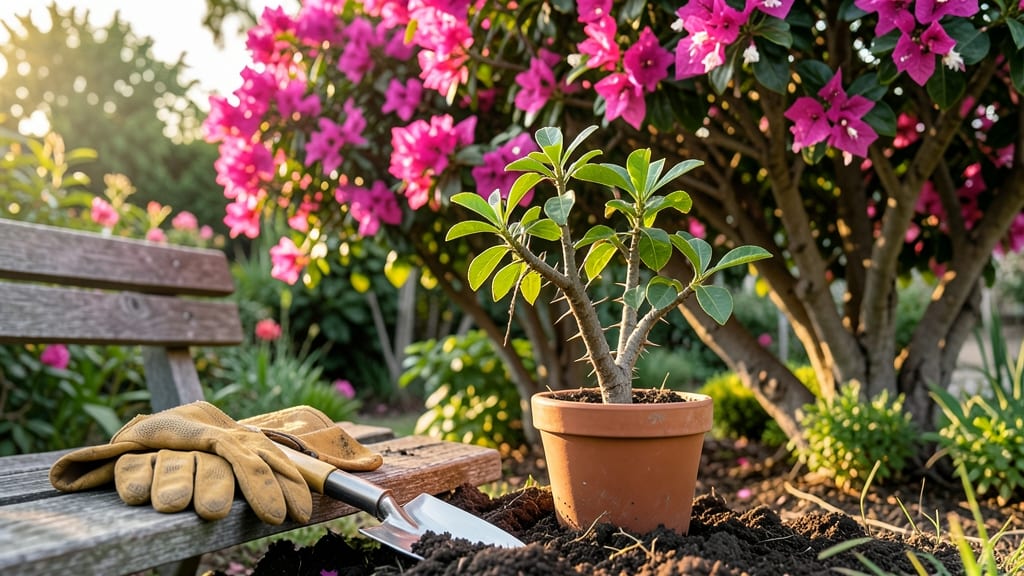
Planting bougainvillea in Arizona at the right time is the secret weapon for those vibrant, year-round blooms you’ve been dreaming of. 🌸 With its heat-resistant nature, this stunning climber actually thrives in Arizona’s climate—but only if you time it perfectly to avoid the brutal summer sun.
Most gardeners make the mistake of planting too early, only to watch their bougainvillea struggle through the 110°F+ heat waves. The key is getting those roots established during the cooler months, when temperatures are more forgiving and the plant can focus on growing strong before summer hits.
In this guide, I’ll walk you through the exact November–March window that works best for Arizona’s 9b zone, whether you’re planting in Phoenix’s low desert or Flagstaff’s high desert. You’ll also discover how to prep your soil, water smartly, and protect your bougainvillea from Arizona’s unique challenges.
By the end, you’ll have a clear, step-by-step timeline to ensure your bougainvillea not only survives but flourishes with continuous color—no matter how hot it gets. Let’s get started!
Optimal planting windows for Arizona bougainvillea: avoiding heat shock
Arizona’s desert climate offers 365 frost-free days, but timing matters for bougainvillea success. Planting outside the peak summer heat (June–August) prevents heat shock and root stress. The ideal window spans November through March, when temperatures average 70–85°F—perfect for root establishment.
Bougainvillea thrives in USDA Zone 9b, but Arizona’s microclimates create variations. Low-desert areas like Phoenix and Tucson can handle October or April plantings, while high-desert regions (e.g., Flagstaff) should wait until late spring to avoid cooler nights. Always check local weather forecasts for unexpected cold snaps.
🌱
| Region | Best Planting Months | Temperature Range (°F) | Key Considerations |
|---|---|---|---|
| Low Desert (Phoenix, Tucson) | November–March October (early) |
65–85°F | Avoid summer heat; use shade cloth if planting in April. |
| High Desert (Flagstaff) | April–June | 50–75°F | Wait for soil warmth; protect from late frosts. |
| Valley Areas (Yuma, Safford) | November–February | 60–80°F | High humidity; improve drainage to prevent rot. |
For container-grown bougainvillea, extend your planting window to April in low-desert areas. Containers heat up faster, so use light-colored pots and self-watering systems to regulate soil temperature. If planting in April or October, water deeply every 2–3 days for the first 2 weeks to help roots establish.
🌿
Bougainvillea planted in late fall (November–December) benefits from cooler temperatures and consistent rainfall post-monsoon season. This gives roots 3–4 months to establish before summer’s 110°F+ heat waves. In Phoenix, aim for mid-November to avoid Santa Ana winds, which dry soil quickly.
If you miss the ideal window, June plantings are possible with extra precautions: use 50% shade cloth, water daily at dawn, and apply mulch to retain moisture. However, blooms may be delayed by 6–8 weeks as the plant recovers from transplant shock.
🌸
Pro tip: Start bougainvillea indoors in September for a head start. Use a grow light to simulate 12-hour daylight and transplant outdoors in November. This method ensures larger, established roots before Arizona’s summer dormancy begins.
Always acclimate plants for 7–10 days before full outdoor exposure. Harden off by placing them in partial shade during the day and bringing them indoors at night for the first week.
Optimal planting windows for Arizona bougainvillea: avoiding heat shock
Arizona’s microclimates create unique challenges for bougainvillea lovers. The low desert (Phoenix, Tucson) and high desert (Flagstaff, Sedona) have different temperature thresholds, making timing everything for success. Planting outside the ideal window risks heat shock or stunted growth, especially when daytime temps exceed 90°F.
For Phoenix and Tucson, aim for November through March—this avoids the brutal summer heat while allowing roots to establish before monsoon season. In Flagstaff’s cooler climate, you can extend planting into early April, but always check USDA Zone 9b guidelines.
Bougainvillea thrives in Arizona’s 365 frost-free days, but timing still matters to prevent stress.
| Region | Best Planting Window | Temperature Threshold | Key Consideration |
|---|---|---|---|
| Low Desert (Phoenix, Tucson) | November–March | Below 85°F | Avoid monsoon humidity |
| High Desert (Flagstaff, Sedona) | October–April | Below 75°F | Cooler nights reduce stress |
| Potted Bougainvillea | Year-round (indoor starts) | Controlled 70–80°F | Move outdoors after last frost |
If you miss the ideal window, don’t despair—October and April are secondary months for planting, especially in cooler high-desert areas. However, avoid planting in May through September unless you’re starting seeds indoors. The intense Arizona sun and dry winds can cause transplant shock during peak summer.
For container-grown bougainvillea, you can plant year-round if you start them indoors under grow lights and acclimate gradually. Harden off seedlings by placing them outside for 2–3 hours daily in partial shade before transplanting in November. This method works well for urban gardeners with limited outdoor space.
Pro tip: Monitor the 10-day forecast before planting. If highs exceed 90°F within a week, delay until temperatures drop. Bougainvillea’s thorny vines and succulent leaves make it drought-resistant, but young plants need time to adapt to Arizona’s alkaline soil and low humidity.
Once planted, mulch with 3–4 inches of gravel or bark to retain moisture and regulate soil temperature. This simple step can mean the difference between a thriving bougainvillea and one struggling to survive the 110°F+ summers 🌸☀️.