
Plants
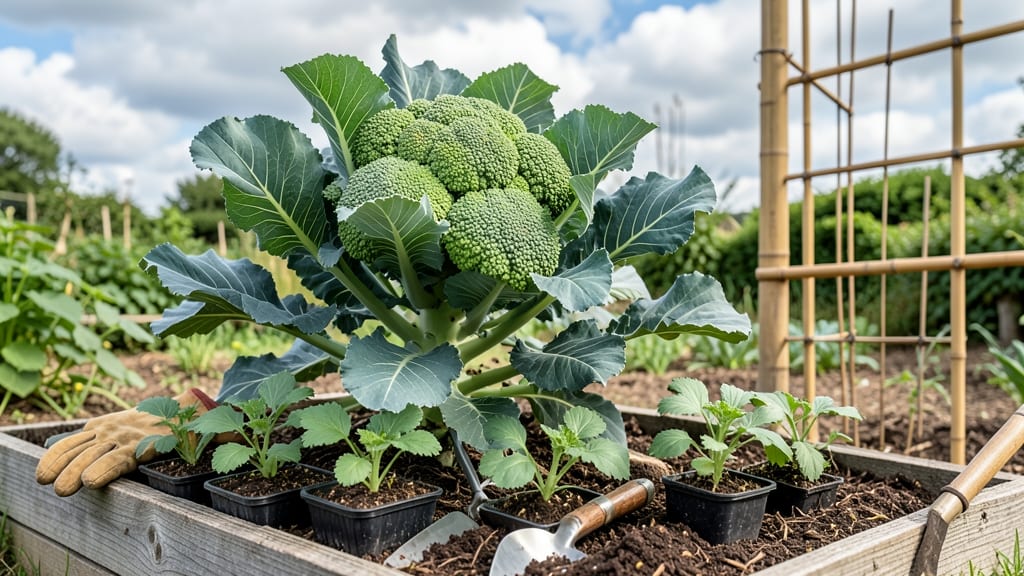
Planting broccoli in Arizona might seem counterintuitive with its brutal summers, but timing is everything—and the fall season is your golden ticket to a thriving 🥦 harvest. Unlike many crops, broccoli loves cooler temperatures, and Arizona’s mild winters create the perfect conditions when you know exactly when to start.
Most gardeners in USDA Zone 9b focus on September-October as the ideal window, but there’s a trick to beating the heat: soil temperature matters more than calendar dates. We’ll show you how to read your soil’s cues for fast germination, so your broccoli sprouts strong before winter sets in.
Spring planting is possible too, but requires extra care—think shade cloth and precise watering. I’ll break down the exact steps to extend your growing season, whether you’re in Phoenix’s low desert or Flagstaff’s cooler high country. Ready to turn your backyard into a broccoli powerhouse?
The key? Starting 60 days before your first frost (yes, Arizona gets rare cold snaps) and using heat-resistant varieties. Let’s get your garden prepped for a harvest that’ll make your neighbors jealous—without the summer stress.
Optimal Arizona broccoli planting dates by soil temperature zones
Arizona’s diverse microclimates mean broccoli planting times vary dramatically between Low Desert (Phoenix, Tucson) and High Desert (Flagstaff, Prescott). The key to success? Soil temperature triggers between 50°F and 85°F, paired with frost-free date calculations for your specific zone.
In Low Desert regions, where summer temps soar past 100°F, broccoli thrives only in fall and winter months. Meanwhile, High Desert areas enjoy slightly cooler summers, allowing for spring planting opportunities. Let’s break down the ideal planting windows based on your location’s unique conditions.
🌱 PRO TIP: Use a soil thermometer to confirm temperatures—broccoli seeds won’t germinate below 50°F or above 85°F. In Arizona’s heat, this means fall planting is non-negotiable for most gardeners.
For Low Desert gardeners, the September-October window is critical—this aligns with cooler soil temps and shorter daylight hours, both of which prevent bolting (the plant’s way of flowering prematurely). Start seeds indoors 4–6 weeks before transplanting to give seedlings a head start against Arizona’s rapid heat buildup.
In High Desert regions, you’ve got two chances: spring (Feb–Mar) and fall (Sep–Oct). Spring planting lets you harvest before summer heat sets in, while fall planting extends your harvest into winter months when other veggies fade. Flagstaff gardeners often enjoy longer harvest windows thanks to cooler nights.
Regardless of your zone, avoid planting in summer—broccoli hates heat. Even shade cloth won’t save it from bolting when temps exceed 85°F for extended periods. Instead, focus on fall planting and use succession planting every 2–3 weeks to stagger harvests.
One game-changer for Arizona broccoli growers? Black plastic mulch. It warms soil faster in spring and retains moisture during fall’s cooler nights. Pair it with drip irrigation, and you’ve got a highly controlled environment that mimics broccoli’s ideal growing conditions.
Finally, track your local frost dates—Arizona’s USDA Zone 9b rarely sees frost, but high elevations (like Flagstaff) can dip below 32°F in winter. If you’re planting in late fall, use frost blankets to protect young seedlings until they’re established.
Timing is everything in Arizona’s extreme climate. Master these soil temperature triggers and planting windows, and you’ll be feasting on homegrown broccoli from November through May—no greenhouses required! 🥦
Optimal Arizona broccoli planting dates by soil temperature zones
Arizona’s diverse microclimates mean your broccoli’s success hinges on soil temperature and elevation. The Low Desert (Phoenix, Tucson) and High Desert (Flagstaff, Prescott) have wildly different frost-free windows—so timing is everything.
I’ll break down the exact planting windows based on your zone, plus how to use frost dates to your advantage.
For Low Desert gardeners, aim to sow broccoli seeds 8-10 weeks before your first frost—typically mid-September to early October for fall crops. Spring planting should start late January to early February, giving seedlings time to mature before summer heat arrives.
In the High Desert, where frosts linger longer, push planting to late August for fall and March for spring.
Here’s the critical rule: Broccoli seeds need soil temps between 50-85°F to germinate. In Arizona’s heat, this means avoid planting after April—seeds may rot before sprouting. Use a soil thermometer to check temps; if it’s above 85°F, wait for cooler nights or use shade cloth.
| Zone | Frost-Free Days | Fall Planting Window | Spring Planting Window | Soil Temp Trigger |
|---|---|---|---|---|
| Low Desert (Phoenix/Tucson) | 275+ days | Mid-Sept to Oct 15 | Late Jan to Feb 15 | 50-75°F (night temps below 60°F risk frost) |
| High Desert (Flagstaff/Prescott) | 200-250 days | Late Aug to Sept 30 | March 1 to April 15 | 45-65°F (cooler nights extend season) |
Protecting your broccoli from Arizona’s intense sun is just as critical as timing. After planting, use 30-50% shade cloth during peak afternoon heat (2 PM - 5 PM) to prevent bolting—when plants flower prematurely.
I’ve seen seedlings bolt in as little as 10 days under full sun, turning bitter and inedible.
For extended harvests, try succession planting: Sow a new batch every 2-3 weeks from September through November. This ensures a steady supply of tender heads before winter sets in.
In the High Desert, you can even squeeze in a late-summer crop by planting in early July with heavy mulching.
Remember: Broccoli thrives on cool nights—aim for ideal nighttime temps of 60-65°F. If your area hits 90°F days, prioritize morning watering and mulch heavily to keep roots cool. With these adjustments, you’ll harvest plump, flavorful heads even in the desert! 🥦