
Plants
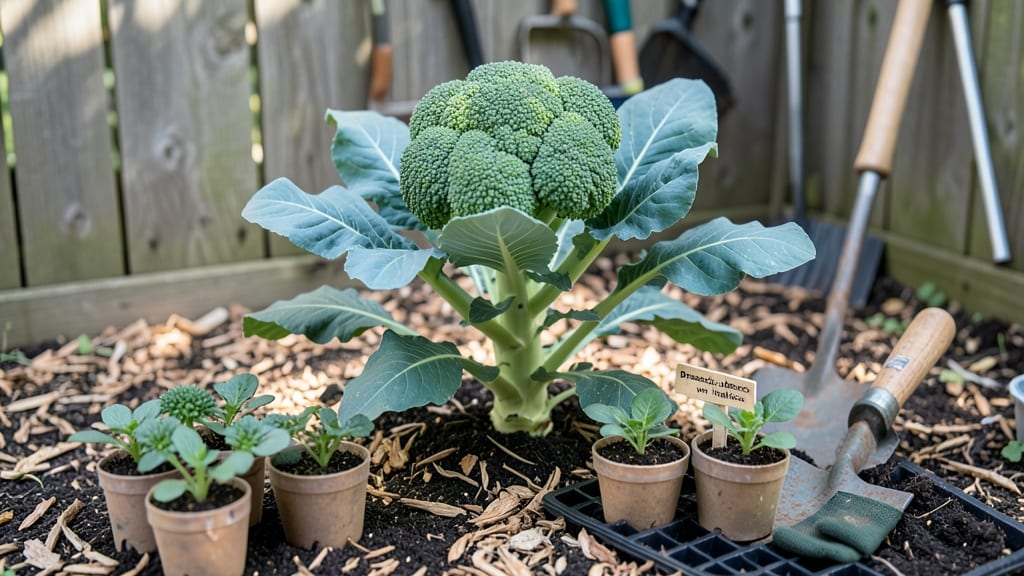
If you've ever tried growing 🥦 broccoli in Central Florida and ended up with bitter, bolted plants instead of crisp heads, you're not alone.
The key to success here isn't just about planting broccoli - it's about timing it perfectly to beat the heat and humidity that can turn your garden dreams into a science experiment.
Central Florida's 9a-10a climate gives us a unique advantage: no frost to worry about, but also no natural breaks from summer's relentless sun.
That means your broccoli planting window is narrower than in colder regions, and getting it wrong can mean the difference between a bumper crop and a sad, wilted disappointment. Let me show you exactly when to plant for maximum success.
We're talking about two critical windows: the fall planting that gives you harvests just in time for holiday meals, and the early spring planting that lets you enjoy fresh broccoli before summer's heat sets in.
Each requires different preparation, and I'll walk you through both with specific dates that work for our local microclimates - whether you're coastal or inland.
What you'll discover is how to use shade cloth, soil prep tricks, and variety selection to extend your growing season and get broccoli that's sweet, tender, and ready to harvest. Let's get started with the timing that actually works in our Florida gardens.
Best broccoli planting times in Central Florida’s microclimates
Central Florida’s USDA Zones 9a-10a and humid subtropical climate create unique challenges for broccoli growers. Unlike northern regions, we don’t have frost to signal planting windows—just heat sensitivity and bolting risks. The key is timing your plants to thrive in our cooler seasons while avoiding summer’s oppressive heat.
For most Central Floridians, the ideal planting window spans from late summer to early spring. Coastal areas like Daytona Beach and Cocoa Beach have slightly milder microclimates, allowing for earlier fall plantings compared to inland cities like Orlando or Lakeland.
Let’s break down the exact timing and strategies for each microclimate.
🌱
In coastal Central Florida, where temperatures stay slightly cooler near the ocean, you can start direct sowing seeds as early as mid-August. The Gulf Stream’s influence creates a 1-2°F cooler average compared to inland areas, giving you an extra 2-3 weeks of viable planting time.
For example, in Melbourne, I’ve successfully transplanted broccoli seedlings in early September when soil temps drop below 80°F.
Inland areas like Orlando and Tampa require later transplanting dates to avoid heat stress. The September 1 target aligns with when daytime highs consistently drop below 85°F.
I recommend checking your local Cooperative Extension Service for weekly heat advisories, as sudden temperature spikes can cause premature bolting—when broccoli sends up a flower stalk instead of forming heads.
For early spring plantings, focus on January-February when soil temperatures stabilize below 75°F. This window avoids the late-winter heat waves that frequently push temps back into the 90s°F.
I’ve found that mulching with straw helps maintain consistent soil moisture during these transitional months, reducing stress on young plants.
If you’re attempting summer broccoli, know that yields will be minimal and risky. The June-July window only works for heat-tolerant varieties like 'De Cicco' when paired with 30-50% shade cloth.
Even then, expect smaller heads and fewer side shoots. For most Central Floridians, summer broccoli is a gamble—better to focus on fall and spring for reliable harvests.
The transplanting window is critical because broccoli hates temperature swings. Seedlings should go into the ground when nighttime temps stay above 55°F but daytime highs remain below 85°F. I use a soil thermometer to verify—ideal transplanting soil temps are 60-75°F.
If you plant too early, your broccoli will bolt; too late, and you’ll miss the harvest window before summer heat returns.
Pro tip: Succession planting every 2-3 weeks within your chosen window ensures a continuous harvest. For example, if you transplant September 1, follow with another batch on September 15 and October 1. This staggered approach maximizes your fall harvest and minimizes bolting risks from fluctuating temperatures.
🌿
Best broccoli planting times in Central Florida’s microclimates
Central Florida’s USDA Zones 9a-10a offer year-round growing potential, but broccoli thrives best during cooler months. The key is timing: plant too early, and the heat will trigger bolting (premature flowering); too late, and you’ll miss the harvest window.
Let’s break down the best planting windows for your specific microclimate—whether you’re in coastal Orlando, inland Ocala, or the Lake County region.
For fall planting, aim for mid-August to early October. This gives broccoli enough time to mature before summer heat returns. Coastal areas like Daytona Beach can extend this window slightly later due to moderate temperatures near the ocean.
Inland areas like Kissimmee should plant earlier to avoid heat stress.
🌱 Pro Tip: Use a soil thermometer—broccoli seeds need soil temps between 45°F and 85°F to germinate. If your soil is too hot, wait until evening to plant or use shade cloth to cool the soil.
| Season | Planting Window | Harvest Window | Microclimate Notes |
|---|---|---|---|
| Fall | Mid-August to early October | October to December | Coastal areas: extend to late October. Inland: plant by mid-September. |
| Spring | January to early February | March to May | Use shade cloth if planting in March to prevent bolting. |
| Summer (Risky) | June (with shade cloth) | Limited yield; high bolting risk | Only attempt with 50% shade and daily watering. |
If you miss the fall window, don’t despair—spring planting in January to early February is your next best bet. By March, temperatures rise too quickly, and broccoli will bolt before forming heads. For spring harvests, aim to plant by Valentine’s Day to ensure a March-May harvest window.
For year-round growers, consider succession planting every 2-3 weeks during the fall window. This ensures a continuous harvest and maximizes your garden space. Just remember: broccoli hates heat, so avoid planting during July and August unless you’re using shade cloth and extra care.
💡 Microclimate Hack: If you live near lakes or springs (like Lake Eola in Orlando), your garden stays cooler by 5-10°F than inland areas. Use this to your advantage by planting 1-2 weeks later than recommended for inland zones.
Finally, always harden off seedlings for 7-10 days before transplanting. Central Florida’s humidity and heat can shock young plants, so gradual acclimation is key. With the right timing, you’ll enjoy crisp, homegrown broccoli straight from your garden!