
Plants
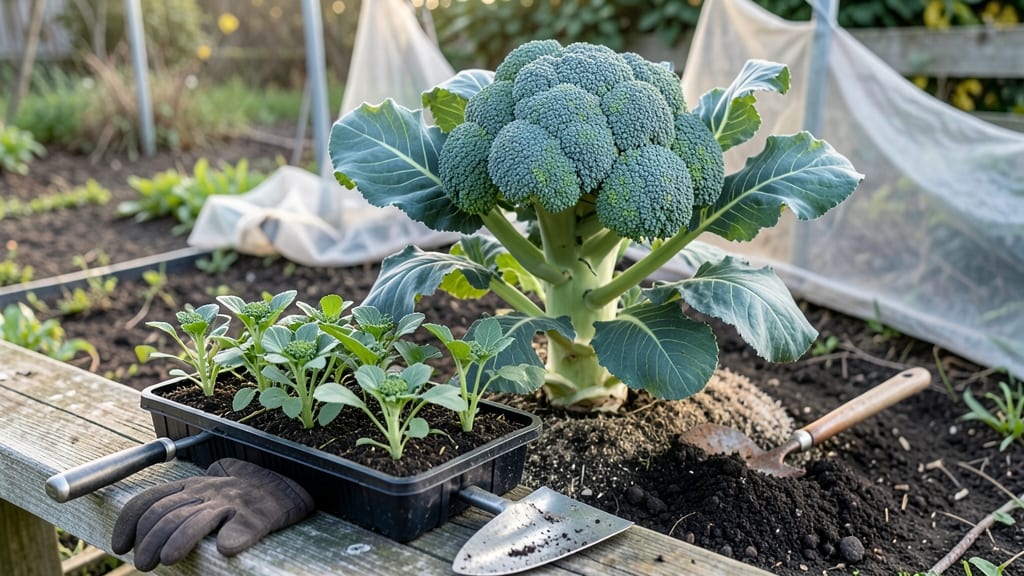
Timing your 🥦 broccoli planting in Colorado isn’t just about the calendar—it’s about beating the frost before it beats you.
With USDA zones 5-7 and elevation swings from 5,000 to 10,000 feet, getting those seeds in the ground 4-6 weeks before your last frost (usually March-April for Denver, later for higher elevations) makes all the difference between a bountiful harvest and a sad, wilted disappointment.
Let’s cut through the guesswork: I’ll break down the exact frost-free deadlines for your region—whether you’re on the Front Range, Western Slope, or mountain valleys—so you can plant with confidence. No more second-guessing whether your broccoli will survive Colorado’s notorious late frosts or early snowflakes.
You’ll also discover two critical planting windows that work in Colorado’s climate: early spring for that May-June harvest and late summer for a fall feast. Plus, I’ll share pro tips to extend your growing season, like choosing cold-hardy varieties and using row covers to shield your plants from unexpected chills.
Ready to grow broccoli that thrives, not just survives? Let’s dive into the frost-free deadlines and strategies that’ll turn your Colorado garden into a 🥦 powerhouse—no matter where you live in the state.
Colorado broccoli planting deadlines by elevation zone (with frost risk charts)
Colorado’s elevation variations make planting broccoli tricky—what works in Denver (5,280 ft) fails at Telluride (8,750 ft). Broccoli thrives in cool seasons but bolts in heat, so timing is critical. Use these elevation-based deadlines to avoid frost damage or wasted seeds.
Broccoli needs 4-6 weeks to mature after the last frost. In Colorado’s USDA Zones 5-7, your planting window shifts dramatically. For example, Fort Collins (Zone 5b) has a March 15–April 15 window, while Grand Junction (Zone 7a) can plant until April 30.
High-altitude gardens (above 7,000 ft) face shorter growing seasons. Add 2 weeks to frost dates for every 1,000 ft elevation gain. For instance, if Denver’s last frost is April 10, a 9,000 ft garden should aim for May 1 planting.
🥦 Colorado Broccoli Planting Deadlines by Elevation
| Zone/Region | Avg. Last Frost | Spring Planting Window | Fall Planting Window | Frost Risk |
|---|---|---|---|---|
| Front Range (Denver, Boulder, Fort Collins) | April 10–15 | March 15–April 1 | August 15–September 15 | Moderate (late springs) |
| Colorado Springs/Pikes Peak | May 1–5 | April 1–15 | August 1–15 | High (early frosts) |
| Western Slope (Grand Junction, Durango) | April 15–30 | March 1–April 15 | August 1–September 10 | Low (warmer microclimates) |
| Mountain Regions (Aspen, Vail, Telluride) | May 15–June 1 | April 15–May 1 | July 15–August 15 | Very High (short season) |
🌡️ Note: Adjust dates 1–2 weeks later for high-altitude gardens above 8,000 ft.
For fall harvests, plant broccoli 80–100 days before your area’s first frost. In Denver, this means August 15–September 15, while mountain regions should start by July 15 to avoid early snow.
Use Colorado State University’s frost maps to refine your timing. For example, Grand Junction’s warmer climate allows late April planting, while Steamboat Springs (7,900 ft) should wait until May 1 to avoid frost.
Pro tip: Start seeds indoors 6–8 weeks before transplanting. This gives seedlings a head start in Colorado’s cool, short seasons. Use grow lights if natural light is limited before March 15.
Soil temperature matters too—broccoli seeds need 40–85°F to germinate. In high-altitude gardens, wait until soil warms to 50°F (use a soil thermometer) to avoid slow germination.
For container gardening, plant broccoli 2 weeks earlier than ground planting. Containers warm faster and drain better, reducing frost risk in urban Denver gardens.
Always check your local CoCoRaHS station for real-time frost data. Last-minute adjustments can save your broccoli crop from a late spring freeze or early snow.
How to extend broccoli’s growing season in Colorado’s unpredictable climate
Colorado’s unpredictable frost dates and short growing season can make broccoli cultivation tricky—but with the right strategies, you can harvest twice a year even in high elevations. The key is cold-hardy varieties and protective techniques that shield young plants from late frosts or early snow.
Start with broccoli varieties bred for cool climates, like ‘Waltham 29’ or ‘De Cicco’. These tolerate light frosts and slow growth better than heat-sensitive types. Pair them with row covers or cold frames to buy extra weeks of growth in spring or fall.
For spring planting, use black plastic mulch to warm soil faster and plant transplants (not seeds) 4-6 weeks before your area’s last frost date. If a late frost hits, cover plants immediately with frost cloth—even 28°F can damage young broccoli.
For fall planting, aim for late July or August so broccoli matures before first frost. In Denver (Zone 6a), this means harvesting by mid-October, while Colorado Springs (Zone 5b) gardeners should finish by early October.
Use dwarf varieties like ‘Tasty Bountiful’ for containers or small spaces.
If your growing season is shorter than 120 days (common above 8,000ft), try container gardening with 5-gallon pots. Move pots to sunniest spots and use self-watering systems to maintain moisture. With these adjustments, you can grow broccoli year-round in Colorado’s climate—even in the mountains!
Pro tip: Monitor local frost dates via the Colorado Climate Center or Almanac for real-time updates. A 5-day forecast can save your crop from a sudden freeze.