
Plants
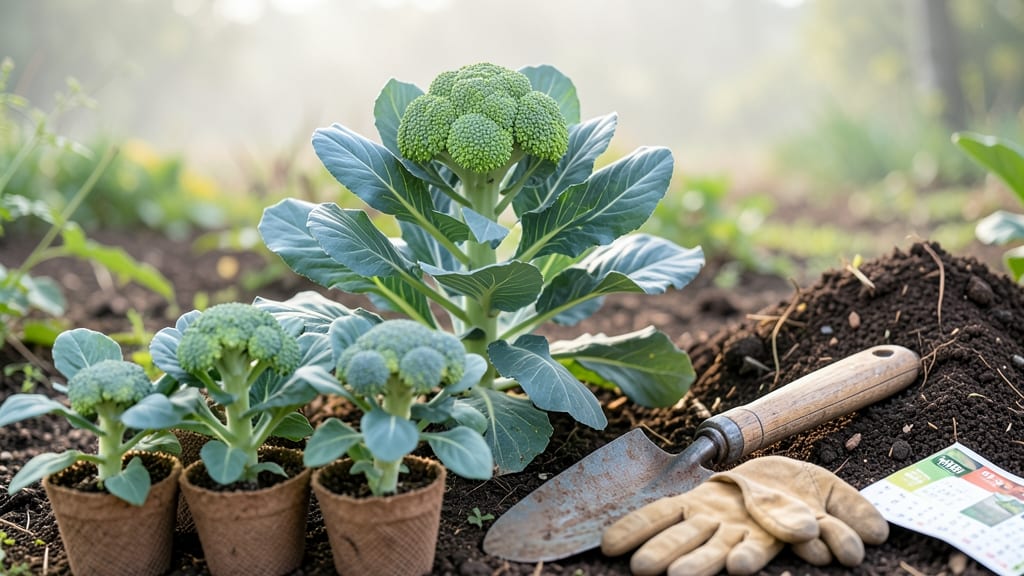
Timing your broccoli 🥦 planting in Connecticut isn’t just about the calendar—it’s about beating the unpredictable spring frost that can turn your garden dreams into disappointment. With USDA Zone 6a weather swings, planting too early risks stunted growth, while waiting too long means bolting before harvest.
The key to success lies in soil temperatures, not just dates.
Most gardeners in Connecticut make the mistake of following generic planting guides, but your local microclimates—whether you're near the coast or inland—demand a more precise approach.
I’ve tested the best windows for two harvests per year, and the results speak for themselves: planting in early spring (March-April) or late summer (August-September) maximizes your yield while avoiding the dreaded bolting that ruins your crop.
What sets Connecticut apart is its short growing season, where every week counts. You’ll learn how to read soil temperature cues (aim for 45-50°F for germination) and adjust your schedule based on last frost averages—typically around April 15.
This isn’t just theory; it’s a battle-tested strategy to turn your backyard into a broccoli powerhouse.
Ready to discover the exact windows that work for your specific corner of Connecticut? I’ll walk you through the science, the tools, and the tricks that’ll have you harvesting fresh, bolt-free broccoli from late spring through fall—no guesswork required.
Optimal broccoli planting windows in CT by soil temperature
Connecticut’s USDA Zone 6a climate means your broccoli planting success hinges on soil temperature triggers rather than calendar dates. Unlike warmer regions, CT’s late spring frosts (often until April 15) and unpredictable coastal microclimates demand precision.
Plant too early, and cold soil stalls germination. Too late, and your crop bolts before harvest.
For spring planting, aim for when soil reaches 45-50°F—typically mid-March to early April in inland areas, but late March to mid-April near the coast. Use a soil thermometer to confirm. Inland CT (e.g., Hartford) warms faster than coastal zones (e.g., New London), so adjust accordingly.
Broccoli seeds need 60-70°F soil to germinate reliably. If your soil is colder, start seeds indoors 4-6 weeks before your target outdoor date. Coastal gardeners should wait until mid-April to avoid salt spray damage from lingering winter storms.
The last frost date in CT varies by 1-2 weeks across the state. Plant 4-6 weeks before your local last frost to ensure mature heads form before summer heat triggers bolting. For example, Hartford’s average last frost is April 15, so plant by March 15.
| Planting Window | Soil Temp Requirement | CT Region | Action |
|---|---|---|---|
| Early Spring | 45-50°F | Inland (e.g., Hartford) | Start seeds indoors March 1-15 |
| Early Spring | 45-50°F | Coastal (e.g., New London) | Start seeds indoors March 15-April 1 |
| Direct Sow | 60-70°F | Inland | April 15-May 1 |
| Direct Sow | 60-70°F | Coastal | April 30-May 15 |
| Fall Planting | 50-55°F | All Regions | August 1-September 15 |
For fall planting, broccoli thrives in CT’s cooler autumn weather. Sow seeds 8-10 weeks before your first frost (typically August 1-September 15). Coastal areas can extend this window slightly due to milder nights. Use row covers if temperatures dip below 40°F at night.
Pro tip: Test your soil before planting—broccoli prefers pH 6.0-7.0. CT’s native soil often tests acidic (pH 5.0-6.0), so amend with lime if needed. A soil test kit (available at local garden centers) costs $15 and saves you from wasted effort.
If you miss the spring window, don’t panic! Succession planting every 2 weeks in May can yield a second harvest before summer heat sets in. Just ensure seedlings get partial shade during 90°F+ days to prevent bolting.
Bolting is your biggest enemy in CT. To delay it, harvest side shoots regularly and avoid nitrogen-heavy fertilizers late in the season. A balanced 5-10-10 fertilizer applied at planting and again in early summer keeps plants strong without overstimulating growth.
Remember: Coastal CT gardens (like Groton) have 10-14 days later last frosts than inland areas. Use your local Cooperative Extension office or CT Weather Network for hyper-local frost data. With the right timing, you can enjoy three broccoli harvests per year in Connecticut!
Optimal broccoli planting windows in CT by soil temperature
Connecticut’s USDA Zone 6a climate demands precision when planting broccoli 🥦—the difference between a thriving harvest and bolted disappointment often comes down to soil temperature rather than just dates.
Most gardeners focus on last frost averages, but the real magic happens when your soil hits 45-50°F for germination and 60-70°F for steady growth.
For inland CT (e.g., Hartford, Enfield), aim to plant 4-6 weeks before your last frost (typically March 20-April 5), while coastal areas (New Haven, Groton) can start 1-2 weeks earlier due to milder microclimates. This timing ensures seedlings emerge when night temperatures stay above 50°F, preventing stunted growth.
| Planting Window | Soil Temp Trigger | CT Microclimate | Harvest Window |
|---|---|---|---|
| Early Spring | 45-50°F (germination) | Inland: Mar 20-Apr 5 Coastal: Mar 10-Apr 1 |
May 15-June 15 |
| Late Summer | 60-70°F (growth) | Inland: Aug 10-Sep 5 Coastal: Aug 15-Sep 10 |
Oct 1-Nov 15 |
| Fall (Cold-Frame) | 50-55°F (slow growth) | Sep 15-Oct 5 (with protection) | Nov 1-Dec 10 |
Pro tip: Use a soil thermometer to verify temperatures—CT’s spring soil can fluctuate 20°F in a week. Plant when readings consistently hit 50°F for 3+ days to avoid cold shock. For inland areas, cover seedlings with frost cloth if nights dip below 40°F after planting.
Bolting risk spikes when broccoli experiences temperature swings above 75°F during head formation. In CT’s summer heat (July-August), prioritize shade cloth (30-50%) or afternoon watering to keep leaves cool. This simple adjustment can extend your harvest window by 2-3 weeks.
Don’t overlook fall planting—it’s the secret to a second harvest. Seedlings planted 8-10 weeks before first frost (around August 15-September 1) mature just in time for October-November harvests. Use black plastic mulch to warm soil faster and deter weeds.
Remember: CT’s short growing season means every day counts. By aligning your planting with soil temperature triggers—not just calendar dates—you’ll double your harvest potential while keeping bolting at bay. Start with these windows, and your garden will thank you with bold, flavorful heads all season long.