
Plants
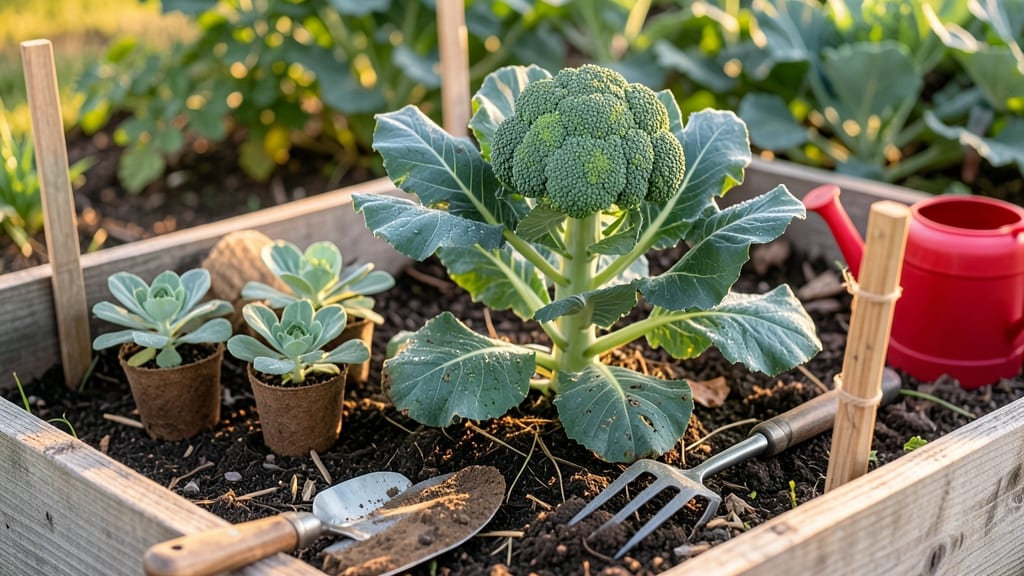
Planting broccoli at the wrong time in Illinois can turn your hard work into bitter disappointment—bolting plants and wasted seeds are a gardener’s worst nightmare. But timing it perfectly? That’s the secret to a bountiful harvest of 🥦 that’ll make your neighbors jealous.
In zones 5-6, where Illinois falls, the key is planting 4-6 weeks before the last frost—typically between March and April for spring harvests. But don’t stop there: late summer (August) is your second chance for a fall crop, just 90-120 days before the first frost hits.
Why does this matter? Broccoli is finicky—too early and frost zaps it; too late and heat sends it bolting. I’ll break down the exact dates for your zone, plus how to adjust for Illinois’ microclimates so you avoid both extremes.
Ready to grow broccoli that thrives? Let’s dive into the frost-free timeline that’ll keep your plants happy from seed to harvest—no guesswork, just results.
Illinois broccoli planting calendar: exact dates by hardiness Zone to avoid bolting
Timing your broccoli planting in Illinois is all about avoiding bolting—that bitter fate where your plants flower too early and skip producing those luscious heads. Illinois spans USDA Zones 5-7, but even within these zones, microclimates can shift your ideal planting window by weeks.
Let’s break down the exact dates for spring and fall planting to maximize your harvest.
For spring broccoli, the goal is to plant 4-6 weeks before your last frost date. In most of Illinois, this lands between late March and mid-April. Meanwhile, fall planting should happen 90-120 days before the first frost, typically mid-August to early September.
But these dates vary by zone—northern Illinois (Zone 5) has a shorter growing season than southern Illinois (Zone 7).
| Zone | Last Frost Date | Spring Planting Window | Fall Planting Window | Soil Temp Threshold |
|---|---|---|---|---|
| Zone 5 (Northern IL) | Mid-April | Late March - Early April | Mid-August - Late August | 40°F minimum |
| Zone 6 (Central IL) | Early April | Early April - Mid-April | Late August - Early September | 40°F minimum |
| Zone 7 (Southern IL) | Late March | Late February - Early March | Early September - Mid-September | 45°F minimum |
If you’re starting broccoli seeds indoors, begin 6-8 weeks before transplanting outdoors. For Zone 5, this means sowing seeds indoors by mid-February. In Zone 7, you can push it to early February for an earlier harvest.
Just ensure your seedlings get 6-8 hours of sunlight daily to avoid leggy, weak plants.
For direct sowing outdoors, wait until the soil temperature reaches at least 40°F. Use a soil thermometer to check—cold soil can stunt germination. In northern Illinois, this might not happen until mid-April, while southern Illinois gardeners can start as early as late March.
One of my biggest mistakes was planting broccoli too early in Zone 5 without a cold frame. The seedlings rotted in the cold, wet soil. Now, I always wait until the soil is consistently above 40°F and use row covers if nighttime temps dip below freezing.
This small adjustment saved my entire crop last year!
For fall harvests, aim to plant 90-120 days before the first frost. In Zone 5, this is mid-August; in Zone 7, you can extend it to mid-September. Choose heat-tolerant varieties like 'De Cicco' or 'Waltham 29' for better success in late-summer planting.
Don’t forget to adjust for microclimates. Urban areas like Chicago can be 2-3°F cooler than rural spots, while southern Illinois near St. Louis might have 10-14 extra frost-free days. Check local weather stations or use the Illinois Extension’s frost date maps for precise timing.
Pro tip: Mark your planting dates on a calendar and set reminders for fertilizing and harvesting. I use a garden journal to track my broccoli’s progress—it’s helped me refine my timing every year. With these exact dates, you’ll avoid bolting and enjoy crisp, homegrown broccoli all season long!
5 Critical factors that determine perfect broccoli planting times in Illinois
Getting your broccoli timing right in Illinois isn’t just about dates—it’s about understanding the hidden triggers that turn healthy seedlings into bitter, bolted failures. I’ve planted broccoli for years here, and these five factors make all the difference between a bountiful harvest and wasted effort.
First, soil temperature is your non-negotiable starting point. Broccoli seeds need soil that’s at least 40°F (4°C) to germinate, but 50°F (10°C) is ideal for strong growth. In Illinois, that means waiting until mid-April for most zones, but northern areas like Chicago may need to wait until late April.
Next, daylength sensitivity plays a sneaky role. Broccoli is a cool-season crop that bolts when days get too long. In Illinois, this means planting early spring (March-April) or late summer (August-September) to avoid the long daylight of June-July.
Don’t overlook heat tolerance limits. Broccoli wilts in temperatures above 85°F (29°C), so southern Illinois gardeners should focus on fall plantings to escape summer heat. Even in cooler zones, afternoon shade can prevent bolting during heatwaves.
Illinois’ microclimates add another layer. Urban areas like Chicago have later frost dates, while rural spots may freeze earlier. Check your local USDA zone (5a-6b) and adjust planting by 1-2 weeks accordingly.
Finally, seedling age at transplant matters. Starting seeds indoors 4-6 weeks before the last frost gives them a head start, but direct-sowing works too if soil temps are right. The key? Transplant when seedlings have 4-6 true leaves to minimize stress.
- 1 Soil Temp: Wait until 40°F+ for germination
- 2 Daylength: Avoid planting during June-July long days
- 3 Heat Limits: Broccoli bolts above 85°F
- 4 Microclimates: Urban areas freeze 1-2 weeks later
- 5 Seedling Age: Transplant at 4-6 true leaves
Master these factors, and you’ll outsmart Illinois’ unpredictable weather. Start with soil temperature checks, then adjust for your local microclimate. Pro tip: Use a soil thermometer—it’s your best friend for nailing timing.
Once you’ve got these five elements locked in, your broccoli will thrive even when neighbors’ plants bolt. The secret? Paying attention to the details that most gardeners overlook. Happy planting!