
Plants
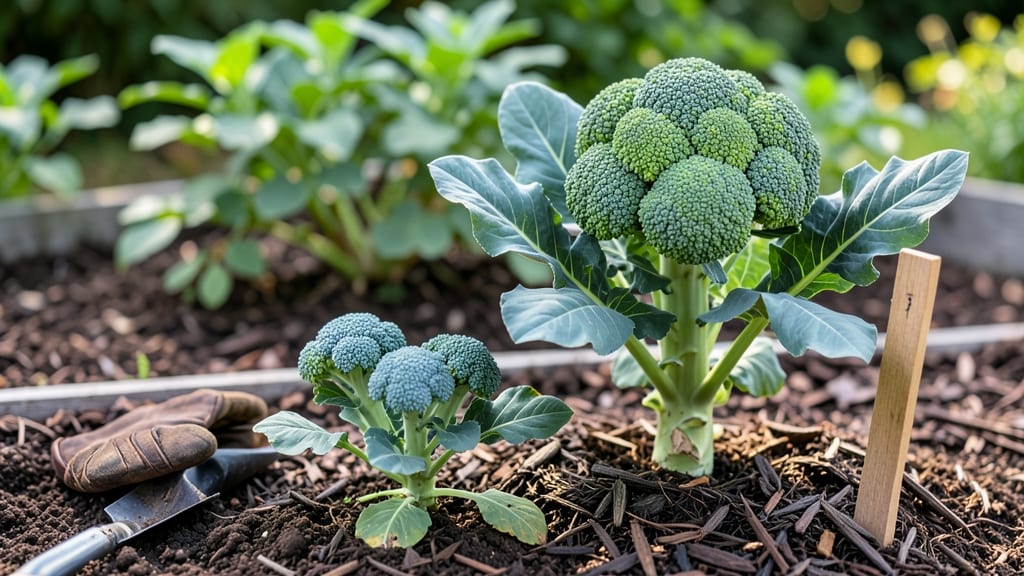
Timing your broccoli planting in Indiana can mean the difference between a thriving garden and wasted effort—especially when frost dates loom like a silent deadline. One wrong move, and your 🥦 crop could bolt or freeze before you even taste that first harvest.
The secret? Planting 4-6 weeks before your last frost (around mid-April for most of the state) or 8-10 weeks before the first frost in late summer for a fall bounty.
Indiana’s Zone 6a climate gives you two prime windows: early spring (March–April) or late summer (August–September). But here’s the catch—soil temperature matters just as much as calendar dates. Cold soil can stall growth, while warm spells in spring might trick your broccoli into bolting before it’s ready.
Let’s break down the exact steps to nail your planting schedule and avoid common mistakes.
You’ll learn how to read Indiana’s frost dates like a pro, which broccoli varieties thrive in your region, and how to adjust for microclimates—whether you’re in chilly northern Indiana or warmer southern counties.
No more guessing games or bolted disappointment. With the right timing, you’ll enjoy crisp, homegrown 🥦 from late spring through fall.
Ready to turn your garden into a broccoli powerhouse? Let’s get started with a foolproof planting plan tailored just for Indiana’s growing season.
Indiana broccoli planting calendar: frost dates and ideal windows
Indiana’s USDA Zones 5-6 create a unique growing window for broccoli, where timing determines success. The last spring frost typically arrives around April 15, while the first fall frost hits about October 15.
These dates are your planting anchors—miss them, and you risk frost damage or bolting (when broccoli flowers prematurely).
For spring planting, aim to sow seeds 4-6 weeks before your last frost date. In Indiana, that means mid-March to early April for most regions.
Northern counties (like Lake or Porter) may need to wait until late March, while southern areas (like Jefferson or Clark) can start as early as February under row covers.
Fall planting offers a second chance for harvest. Start seeds 8-10 weeks before your first frost, landing you in late July to early August. This gives broccoli enough time to mature before winter sets in.
Use black plastic mulch to warm the soil and extend the season by 2-3 weeks.
Here’s the key: Broccoli thrives in cool weather (50-75°F). Plant too early, and frost zaps seedlings. Too late, and summer heat triggers bolting. Indiana’s microclimates add complexity—urban areas like Indianapolis may have earlier last frosts than rural farms in Zone 5.
| Stage | Action | Indiana Timeline | Pro Tip |
|---|---|---|---|
| Spring Planting | Sow seeds indoors | February (southern IN) - March (northern IN) | Use grow lights for 12-14 hours/day |
| Transplant outdoors | After last frost | April 15 (avg.) | Hardening off for 7-10 days first |
| Harvest Window | Pick heads at maturity | May - June | Harvest side shoots for 2-3 weeks |
| Fall Planting | Sow seeds outdoors | Late July - Early August | Use black plastic mulch to warm soil |
| Harvest Window | Pick heads before frost | October - November | Cover with frost cloth at night |
Use this frost-date cheat sheet to adjust for your county. Check the National Weather Service or Purdue Extension for local updates. For example, Zone 5 areas like LaGrange may need to wait until late April for safe transplanting, while Zone 6 spots like Bloomington can start earlier.
Pro tip: Start seeds indoors in February for an early spring harvest. Use biodegradable pots to avoid transplant shock. Place seedlings in a cool (60-65°F) location until soil warms to 40°F+—any warmer, and seeds may rot.
For fall broccoli, focus on late-summer planting (August). Choose fast-maturing varieties (like 'Early Purple') to beat frost. Mulch with straw to insulate roots and extend harvest into November.
Remember: Indiana’s humidity can stress broccoli. Space plants 18-24 inches apart for airflow and reduce disease risk. Pair with dill or celery to deter pests naturally. With these timing tricks, you’ll enjoy crisp, homegrown broccoli twice a year—no guesswork!
How to avoid bolting: temperature and spacing hacks for Indiana growers
Indiana’s unpredictable spring temperatures can turn your broccoli into bitter, flower-filled stalks faster than you can say "frost warning." Bolting—when broccoli prematurely flowers—happens when soil temps hit 40°F+ or when days get too long.
My trick? Stagger plantings every 2 weeks in spring to spread out harvests and avoid bolting traps.
For fall plantings, aim for August 1–15 to give your broccoli enough time to mature before first frost (usually mid-October). Use row covers if nights dip below 50°F—they act like a cozy blanket without smothering your plants.
🌱
- Soil temp >40°F → Roots wake up too fast
- Daylength >14 hours → Triggers flowering (common by June)
- Drought stress → Plants "panic" and bolt
- Overcrowding → Competes for nutrients, weakens plants
Spacing is your secret weapon against bolting. Crowded plants compete for nutrients, leading to weak stems and early flowering.
Give each broccoli plant 18–24 inches of space—24 inches for larger varieties like 'Waltham 29'. Companion plants like bush beans or lettuce can fill gaps while improving soil health.
If you’re starting indoors, sow seeds 6–8 weeks before your last frost date (usually mid-March for most of Indiana).
Use grow lights to extend daylight to 14 hours—this delays bolting by mimicking shorter summer days. Transplant seedlings outdoors when soil temps hit 45°F+ and night temps stay above 35°F.
For fall harvests, choose quick-maturing varieties like 'De Cicco' (ready in 50 days) and plant 8–10 weeks before first frost. Mulch heavily with straw or leaves to insulate roots—this keeps soil temps stable and reduces bolting risk from sudden cold snaps.
Pro tip: Harvest side shoots after the main head bolts—these "baby broccoli" are just as tasty and give you 2–3 extra harvests per plant. Just cut stems at a 45° angle to encourage more growth. 🪴