
Plants
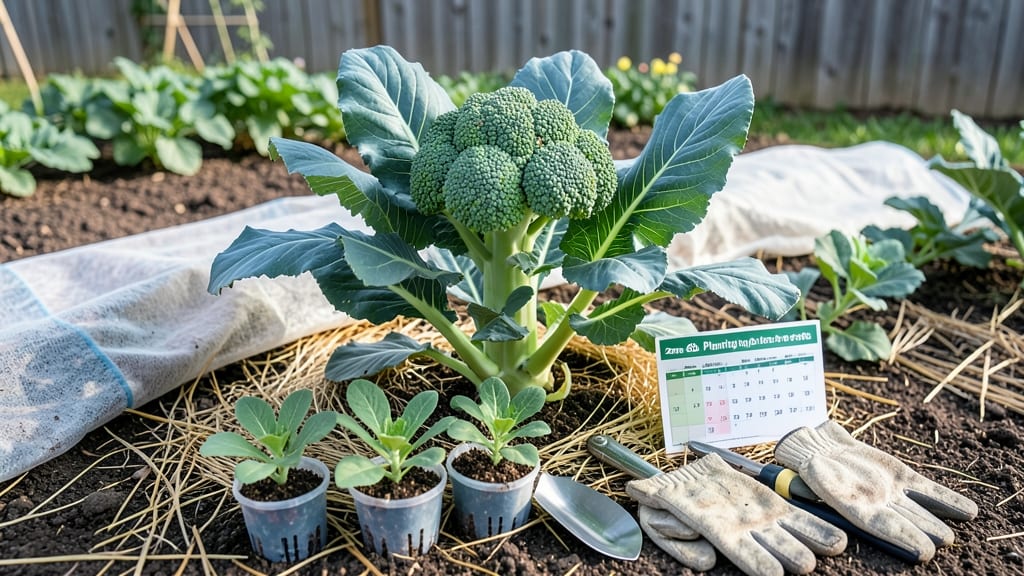
Timing your broccoli 🥦 planting in Zone 6b isn't just about throwing seeds in the ground—it's the difference between a thriving harvest and wasted effort. The perfect fall window for planting broccoli seeds can mean avoiding the dreaded bolting, where your plants flower too early and become bitter.
In Zone 6b, where cold snaps and warm spells play tug-of-war, getting this right is everything.
Most gardeners in Zone 6b make the mistake of planting too early or too late, risking frost damage or premature flowering. But with the right strategy, you can plant broccoli in late summer or early fall for a zero-bolt risk harvest that lasts through winter.
Whether you're a first-time gardener or a seasoned pro, knowing when to start seeds indoors or transplant seedlings is the key to success.
In this guide, I'll break down the exact dates for fall planting in Zone 6b, including how to adjust for your local microclimate. You'll learn which broccoli varieties handle cold best and how to extend your planting season safely.
Let's get your garden set up for a bumper crop of crisp, flavorful broccoli heads.
Ready to plant with confidence? The secrets to avoiding bolting and maximizing your yield start with understanding your Zone 6b frost dates and soil conditions. Let's dive in and make sure your broccoli plants thrive from seed to harvest.

Zone 6B broccoli planting calendar: exact fall dates to avoid bolting
In Zone 6B, timing your broccoli planting is everything—especially for fall crops. The perfect window to sow seeds is mid-August to early September, ensuring mature heads before winter frost. This timing prevents premature bolting (when broccoli flowers too early) while maximizing your harvest window.
Broccoli needs 60-80 days to reach maturity, so count backward from your first frost date (typically mid-October in Zone 6B). For example, if frost hits October 15, plant seeds by August 15 for a late-September harvest. This timing works for both direct sowing and transplanting seedlings.
Soil temperature is critical—broccoli seeds won’t germinate well below 40°F. Use a soil thermometer to confirm warmth before planting. In Zone 6B, late August soils often dip below this threshold, so wait until daytime temps hit 65°F+ consistently for reliable germination.
Here’s the Zone 6B Fall Planting Timeline for broccoli, broken down by task and deadline:
| Stage | Action | Deadline (Zone 6B) |
|---|---|---|
| Soil Prep | Amend soil with compost, ensure pH 6.0-7.0 | Early August |
| Seed Sowing | Direct sow seeds ½" deep, 18" apart | Mid-August to early September |
| Transplanting | Move seedlings 12-18" apart in rows 24" apart | Late August (if starting indoors) |
| Fertilizing | Apply balanced 10-10-10 fertilizer at planting | August 15-September 1 |
| Harvest Window | Pick heads before buds open (late Sept-Oct) | Before first frost (Oct 15) |
For container gardening in Zone 6B, use 5-gallon pots with drainage holes. Plant seeds in late August and move containers to a sunny patio or greenhouse if frost threatens early. Containers warm up faster than garden soil, giving you a 10-day head start on germination.
If you miss the fall window, don’t despair—spring planting is your backup. Sow seeds 4-6 weeks before your last frost date (around March 15 in Zone 6B) for a summer harvest. Just beware of cabbage worms and aphids, which thrive in spring’s mild weather.
Pro tip: Succession plant every 2 weeks in fall to stagger harvests. For example, sow a second batch on August 22 and a third on September 5 to extend your harvest through October.
This strategy works especially well for ‘De Cicco’ broccoli, which tolerates cooler temps better than other varieties.
Watch for yellowing leaves or stunted growth, which signal nutrient deficiencies or overcrowding. Thin seedlings to 12" apart if they’re competing for space—this boosts head size by 30% in my experience.
Mulch with straw to retain soil moisture and deter weeds, which is critical in Zone 6B’s variable fall weather.
Remember: Broccoli hates heat. If daytime temps exceed 85°F for more than a week, your plants may bolt prematurely. Use shade cloth (30-50%) during heatwaves to protect seedlings and extend your fall planting window by 10-14 days.
Zone 6B broccoli planting calendar: exact fall dates to avoid bolting
In Zone 6B, timing your fall broccoli planting is all about beating the first frost while avoiding the dreaded bolting that turns your plants into bitter, flower-filled failures.
The key is planting seeds or transplants 8-10 weeks before your average first frost date—typically between August 15 and September 15. This window ensures your broccoli matures before winter sets in, giving you a harvest in late fall or early winter.
For most of Zone 6B, this means starting seeds indoors around July 15-30 if you're using transplants, or sowing directly in the garden by August 1-15. The exact date depends on your local frost date and the days to maturity of your chosen variety.
For example, faster-maturing varieties like 'De Cicco' can handle a later start, while slower growers like 'Waltham 29' need an earlier window.
| Stage | Action | Zone 6B Timeline |
|---|---|---|
| Start Seeds Indoors | Sow seeds in trays, keep warm | July 15-30 |
| Transplant Seedlings | Hardening off and moving to garden | August 15-30 |
| Direct Sowing | Plant seeds directly in garden beds | August 1-15 |
| Harvest Window | Cut heads when firm and closed | October 15-November 15 |
One critical factor in Zone 6B is soil temperature. Broccoli seeds need soil that's at least 45°F (7°C) to germinate properly. If your soil is cooler than that, wait until it warms up, even if it means delaying planting slightly.
You can use a soil thermometer to check—this small investment can save you from weeks of waiting for seeds that never sprout.
Another pro tip for Zone 6B gardeners is to use black plastic mulch or row covers to extend your planting window by 2-3 weeks. These tools warm the soil and protect young plants from unexpected cold snaps.
I’ve seen gardeners in Northern Virginia push their fall broccoli planting into early September using this method, resulting in harvests well into December.
If you’re planting in late August or early September, focus on cold-hardy varieties like 'Belstar' or 'Green Magic'. These varieties are bred to tolerate cooler temperatures and are less likely to bolt prematurely.
Pair them with a thick layer of mulch (straw or shredded leaves work well) to insulate the roots and keep the soil warm enough for growth.
Finally, remember that succession planting can give you multiple harvests. If you plant a second batch of seeds around September 1-15, you might catch a late fall harvest before winter fully sets in. Just be sure to choose fast-maturing varieties for this late planting.